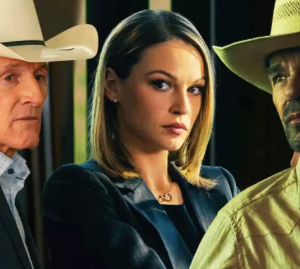
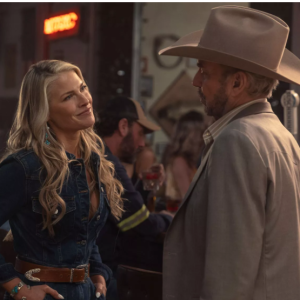
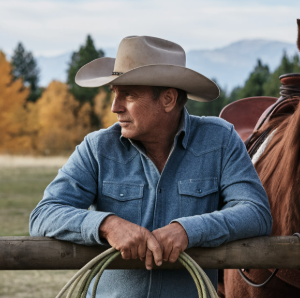
In the unforgiving heart of Montana, where the majestic peaks meet sprawling plains, lies the largest contiguous ranch in the United States – a kingdom forged in blood and maintained with an iron will. This is the world of “Yellowstone,” Taylor Sheridan’s acclaimed drama that has captivated millions, pulling them into a saga of power, land, and the brutal cost of defending an empire. More than just a television show, “Yellowstone” is a modern epic, charting the relentless struggle of the Dutton family to protect their ancestral legacy from a relentless tide of developers, Native American claims, and internal strife. For those who’ve felt the pull of the ranch, or perhaps are just discovering the raw power of this narrative, a quick recap barely scratches the surface of the dramatic tapestry woven across its first four searing seasons.
The series opens with a chilling tableau: John Dutton (Kevin Costner), the stoic, formidable patriarch, surveying the wreckage of a truck collision that has claimed one of his beloved cattle. But this is no mere accident; it’s a stark premonition of the constant siege facing the Yellowstone Dutton Ranch. Season 1 immediately plunges viewers into the world of land disputes, highlighting the simmering tensions with the Broken Rock Indian Reservation, led by the shrewd and determined Thomas Rainwater (Gil Birmingham), who seeks to reclaim what he believes was stolen land. The season establishes the core family dynamics: Kayce Dutton (Luke Grimes), the prodigal son torn between his Native American wife Monica (Kelsey Asbille) and his loyalty to his father; Beth Dutton (Kelly Reilly), the razor-sharp, emotionally volatile financier who wields corporate power like a weapon; and Jamie Dutton (Wes Bentley), the Harvard-educated lawyer, forever striving for his father’s approval while grappling with his own moral compromises. The very first episode delivers a gut-wrenching blow: the death of eldest son Lee Dutton (Dave Annable), a tragedy that cements the family’s “us against the world” mentality and sets the stage for a cycle of violence and retribution that defines the Dutton legacy. This initial sacrifice underscores the perilous nature of their existence and the lengths they will go to protect their own.
Season 2 quickly ratchets up the stakes, introducing a new breed of antagonist in the form of the insidious Beck Brothers, Malcolm (Neal McDonough) and Teal (Terry Serpico). These ruthless businessmen, masters of extortion and intimidation, embody a more visceral, personal threat than the land developers or the Reservation. Their tactics are abhorrent, culminating in the horrific kidnapping of young Tate Dutton (Brecken Merrill), Kayce and Monica’s son. This act of unspeakable cruelty shatters any remaining illusions of civility, pushing the Duttons – led by a vengeful John – to unleash their most brutal, extrajudicial forms of justice. The lines between right and wrong blur entirely as the family operates outside the law, demonstrating their chilling capacity for vengeance. Amidst the chaos, the enduring and increasingly passionate romance between Beth and Rip Wheeler (Cole Hauser), John’s fiercely loyal ranch foreman and enforcer, blossoms, offering a rare glimpse of tenderness in a world drenched in brutality. Rip, a man who has found his true north in John and Beth, becomes the unyielding protector, embodying the ranch’s darkest necessities and deepest loyalties. Jamie’s internal struggle intensifies, his political aspirations constantly at odds with the demands of his family, leading him down a path of increasing isolation and despair.
By Season 3, the battle for the Yellowstone shifts from street-level thugs to corporate titans. Market Equities, a powerful investment firm, arrives with the audacious plan to build an airport and a new city on Dutton land. Their spearhead, the calculated and charismatic Roarke Carter (Josh Holloway) and later the formidable Caroline Warner (Jacki Weaver), represent a threat that can’t be met with brute force alone, forcing the Duttons to engage in a more sophisticated, albeit still ruthless, war of wills. This season also peels back more layers of the Dutton family’s tragic history, most notably revealing the devastating secret behind Beth’s inability to have children – a consequence of Jamie’s past actions. The revelation creates an unbridgeable chasm between them, cementing Beth’s visceral hatred for her adoptive brother. Jamie, meanwhile, embarks on a desperate search for his true parentage, a quest that ultimately leads him to discovering a dark, biological lineage and sets him on a collision course with the only family he’s ever known. The season culminates in a shocking, meticulously coordinated attack on John, Beth, and Kayce, leaving their fates hanging precariously in a bloody cliffhanger that sent shockwaves through the fandom, igniting frantic speculation about “who shot John?”
Season 4 is a symphony of retribution. The Duttons, emerging from the brink of death, unleash a relentless wave of vengeance against those responsible for the attacks. Beth, fueled by an almost incandescent rage, dedicates herself to dismantling Market Equities from within, using her formidable intelligence and cunning to systematically destroy Caroline Warner’s ambitions. Kayce, grappling with the violence he has embraced, undertakes a spiritual vision quest, seeking answers and a path forward, discovering a profound, unsettling truth about his place in the land’s history. Jamie, caught between his biological father and the Duttons, finds himself manipulated into committing an unforgivable act that seemingly severs his last ties to John, forcing him to choose sides in a war where there are no true victors. Jimmy Hurdstrom (Jefferson White), the lovable underdog, embarks on a transformative journey to the legendary Four Sixes Ranch in Texas, a narrative thread that promises to expand the Yellowstone universe. The season closes with the ranch still standing, but the cost of its preservation has never been higher, leaving its inhabitants scarred, isolated, and forever changed by the endless fight.
The impact of “Yellowstone” extends far beyond its gripping plotlines. It resonates deeply with themes of family, loyalty, legacy, and the ever-eroding American frontier. John Dutton, a man burdened by the weight of generations, embodies the struggle to preserve tradition in a rapidly changing world. Beth, a character of shocking contradictions – fiercely loyal yet cruelly manipulative, deeply damaged yet capable of profound love – has become an icon, a testament to Kelly Reilly’s explosive performance. Rip, the silent protector, represents the unshakeable foundation beneath the Dutton’s turbulent lives, while Kayce’s perpetual conflict between his two families mirrors the broader clash of cultures and values that defines the West. The show’s raw, unapologetic portrayal of violence, juxtaposed with breathtaking cinematography of the Montana landscape, creates an immersive experience that is both brutal and beautiful.
As “Yellowstone” moves forward into its fifth season, the questions loom large: Can the Duttons ever truly find peace? What further sacrifices will be demanded to keep their kingdom intact? The series has cemented its place as a cultural phenomenon, fueling passionate fan theories across social media and becoming a flagship drama for Paramount Network. It’s a testament to Taylor Sheridan’s unparalleled storytelling that a show about a Montana ranch family can command such global attention and emotional investment. The journey through Seasons 1-4 is not just a recap; it’s a visceral reminder of the Duttons’ unwavering resolve, their dark heart, and the eternal, bloody struggle to protect the last true American frontier. And as the sun sets over the Yellowstone, casting long shadows across its ancient lands, the fight, undoubtedly, continues.