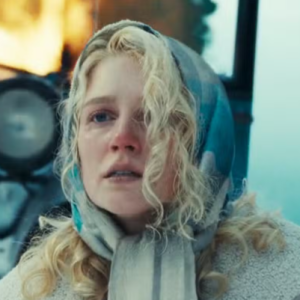
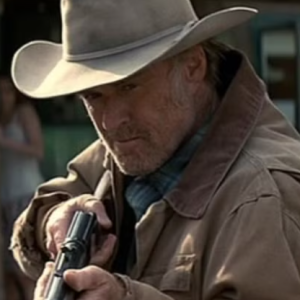
In an era saturated with cinematic sagas of the American West, from the gritty realism of “Yellowstone” to the sprawling historical canvas of “1883,” discerning viewers seek authenticity amidst the dramatic flourishes. Who better to separate Hollywood myth from ranching truth than a sixth-generation North Texas rancher? Enter Tucker Brown, a man whose hands have known the earth and the heft of a rope since childhood, as he offers Vanity Fair an unfiltered, often breathtaking, peek into the true cowboy way of life, dissecting the most iconic scenes with the sharp eye of a seasoned professional. His review isn’t just a critique; it’s a dramatic deep dive into the life-and-death stakes, the unspoken bonds, and the relentless grit that define the modern and historical rancher.
### Yellowstone: The Breathless Birth of Life
The vast, unforgiving landscapes of “Yellowstone” often serve as a backdrop for intense human drama, but sometimes, the rawest tension comes from nature itself. Brown zeroes in on a particularly harrowing scene: the breach birth of a calf. “They did a pretty good job of showing the urgency that you have when something is going wrong,” Brown notes, his voice reflecting the gravity of such moments. The frantic pace, the desperate pulls, the sheer will to save a life – it’s all there, a visceral testament to the constant vigilance required on a ranch. “That is a situation that can happen and kind of a life or death situation for the calf and the cow really,” he asserts, underscoring the vital role cowboys and ranchers play as stewards of their herds.
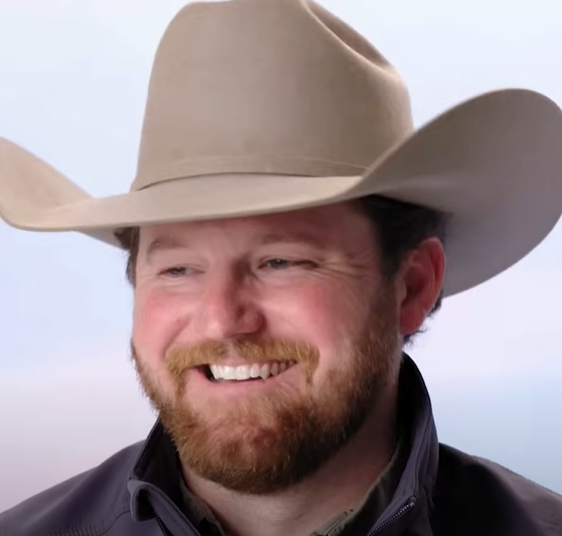
Yet, even in its powerful depiction, Hollywood can’t resist a touch of expedited drama. Brown observes the calf’s remarkably swift recovery: “The only thing that they may have missed or kind of moved to Hollywood right was that when a calf is born it can’t get up and run away. It looks like a baby giraffe.” He explains the fragile reality – a calf typically takes 30 minutes to find its wobbly legs, followed by the tender bonding ritual as the mother licks it dry. For Brown, whose ranch meticulously monitors expectant heifers every four hours, the true drama lies in the subtle signs: the kink in a tail signaling labor, the appearance of the water bag, and then, the hopeful sight of two tiny feet. It’s a dance of anticipation and quiet intervention, far from the instant, dramatic sprint of the screen.
### Lonesome Dove: Rivers of Peril and Serpents of Exaggeration
From the modern West, Brown journeys back to the seminal classic, “Lonesome Dove,” a film revered by generations for its sweeping depiction of cattle drives. The scene of cattle crossing a perilous river immediately commands his attention. “Cattle like to follow each other in a line,” he explains, validating the film’s visual accuracy. The cowboy leading the charge into the murky depths, the remaining herd following like an unstoppable current – it’s a masterclass in realistic animal movement. But as the scene intensifies, introducing the terrifying specter of water moccasins, Brown’s rancher’s eye detects a clear cinematic embellishment. “I love Lonesome Dove, but the water moccasin may be the most dramatic thing I’ve ever seen,” he states with a chuckle, acknowledging the dramatic license taken with the sheer number of aggressive snakes.
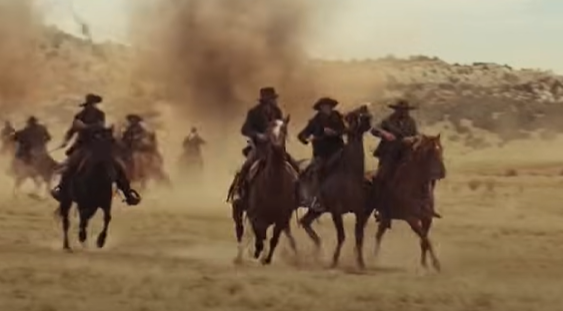
Beyond the reptilian theatrics, Brown speaks to the profound, almost spiritual connection between a cowboy and his horse, a bond he refers to as “Chi.” He recounts the terrifying uncertainty of swimming with an unfamiliar horse, the danger of a panicking animal, and the unspoken code of slipping off the back of a struggling steed to lighten its load. This intuitive understanding, developed through countless hours “getting wet saddle blankets,” is the true foundation of their partnership. He notes the generational divide in Western fandom, where the authenticity of “Lonesome Dove” clashes with the contemporary appeal of “Yellowstone,” yet finds common ground in acknowledging dramatic liberties. “It is drama, it’s not a documentary,” he reminds us, a crucial distinction for both iconic productions.
### 1883: Herding History, Honoring Efficiency
Taylor Sheridan’s “1883” plunges viewers into the brutal realities of a pioneer cattle drive, a stark, visceral experience that resonates with Brown. The sheer scale of gathering wild Texas Longhorns, requiring a vast team of riders, is a detail Brown readily affirms. “Cattle are fast and they’re survivors and they know how to get away and it does take a team,” he explains. He delves into the historical significance of the Longhorn, their legendary ability to traverse vast distances and gain weight on sparse forage, the very foundation of the great cattle drives that built fortunes. While modern ranching favors breeds optimized for efficiency, Brown praises the historical accuracy of “1883” in depicting the sheer stamina and resilience of these iconic animals.
He illuminates the nuanced skill of cattle handling, a discipline often overlooked by the casual viewer. It’s not just about riding a horse; it’s about becoming an extension of the animal, anticipating its movements, understanding the “pressure” that guides the herd. “If you’re having to think about how to ride, you’re probably not going to be able to get the job done,” Brown emphasizes, highlighting the almost unconscious mastery required. He reveals how contemporary ranching has evolved, embracing “low stress cattle handling” – a philosophy that prioritizes calm, gentle methods to ensure happier, more productive cows. In a profession increasingly challenged by economic realities, this refined understanding of animal psychology becomes not just humane, but fiscally essential.
### Heartland: Circus Tricks vs. Steadfast Trust
In a stark departure from the raw grit, Brown turns his attention to “Heartland,” where a young woman performs incredible acrobatic feats on horseback. “This is very much a circus act,” Brown states plainly, dismissing its utility on a working ranch. While he admits to standing on a horse’s back himself, it’s a demonstration of docility, not a regular chore. He explains the surging horse market, fueled by urbanites seeking solace in rural life, driving demand for “bombproof” horses – gentle, reliable mounts for families. His own horse, Snapchat, a docile wonder that can carry his four-year-old and one-and-a-half-year-old daughters, embodies this ideal. The market now values such gentle temperaments, sometimes even over the athletic prowess of a skilled cutting horse. It’s a fascinating insight into how recreational riders are reshaping the equestrian economy.
### Open Range: The Feud for Forage
The classic Western “Open Range” presents a foundational conflict of the West: the fierce clash between “free grazers” and those claiming ownership of the land. Brown validates the historical tension, acknowledging the painful transition from an open, communal range to privatized land. The film’s depiction of anger and violence over grazing rights resonates deeply. “He’s taking ownership of that land and he’s like, I have this feed that I need to take care of,” Brown explains, siding with the landowner’s perspective on responsible land stewardship. He passionately explains the ecological impact: how cattle, managed correctly, can sequester carbon and improve soil health. Unmanaged “free grazing,” however, can devastate grasslands, turning them into barren, unproductive landscapes. The film, in its dramatic confrontation, unwittingly highlights a core tenet of modern ranching: sustainable land management is paramount.
### Yellowstone: The Unsung Labor of Fences
Even without cattle work, a ranch is an endless canvas of labor. Brown delves into the unsung, often grueling task of fence building, a recurring motif in “Yellowstone.” “We don’t get into ranching to build fence,” he admits, revealing the industry’s shift towards hiring specialized fence companies for efficiency. The dramatic confrontations that often erupt during such manual labor, like the knife-pulling scene in “Yellowstone,” are met with a wry smile. “I’ve never seen a knife pulled out,” he deadpans, grounding the cinematic escalation back to the more mundane, albeit strenuous, reality. He discusses the evolution of fencing, from traditional barbed wire to cutting-edge “invisible fences” with GPS collars that train cattle to respect digital boundaries – a testament to how technology is silently revolutionizing even the oldest professions.
### Comes a Horseman: The Art and Risk of the Rope
The thrill of a cowboy on horseback, rope whirling, is a powerful visual. In “Comes a Horseman,” Brown watches intently as riders give chase, ropes swinging. “There’s a lot of Cowboys that love this part of the job of being able to show off that their horse will get them there, their ability to rope,” he acknowledges, admitting it’s the “fun, exciting part.” He praises the film’s realism in depicting the challenges: busting through brush, avoiding limbs, and even the occasional missed throw, a refreshing departure from the flawless heroics often portrayed. The true drama, he explains, comes after the catch: handling an 800-pound animal on the end of a rope. He illuminates the age-old debate among cowboys – to “tie on” or to “dally” – each method carrying its own risks and regional pride, a small but significant detail that anchors the cinematic spectacle in the lived experience.
### Cowboys & Aliens: Where Reality Brakes Down
Finally, in a moment of humorous relief, Brown tackles the outlandish “Cowboys & Aliens.” “I’ve never ran into an alien when I’ve been out on the on the pasture,” he states, the obviousness of his remark adding to the comedic effect. He recounts his *only* brush with the extraterrestrial – a midnight encounter with a string of mysterious lights that turned out to be Elon Musk’s Starlink satellites. “I will make the strong stance that Cowboys versus Aliens not a true documentary,” he concludes with a laugh, firmly planting his boots back on the ground, reminding us where the line between fantasy and reality is undeniably drawn.
### The Enduring Legacy of the Rancher
Through Brown’s candid and compelling review, a deeper appreciation for ranch life emerges. It is a world of unwavering commitment, where the line between human and animal blurs, and the land itself is a living entity. Ranchers, Brown passionately argues, are “some of the original environmentalists,” their livelihood inextricably linked to the health of the soil and the well-being of their livestock. “If we don’t take care of our land then we don’t, we’re not taking care of our ranch,” he states with conviction, highlighting their profound responsibility. The dramatic narratives of “Yellowstone” and “1883” might draw millions to the romanticized ideal of the cowboy, but Tucker Brown, with his grounded wisdom, reveals the profound, often quiet, drama of a life lived in harmony with nature, a legacy passed down through generations, and a dream he truly lives.