**The beating drums of the Yellowstone soundtrack often echo the heart of the Broken Rock Reservation – a sacred ground, a battleground, and a beacon of hope where the fight for sovereignty isn’t merely political, but deeply personal and spiritual. From ambitious economic ventures to profound cultural ceremonies and relentless external threats, the story of Broken Rock, under the dynamic leadership of Chairman Thomas Rainwater, is a searing testament to a people reclaiming their destiny.**
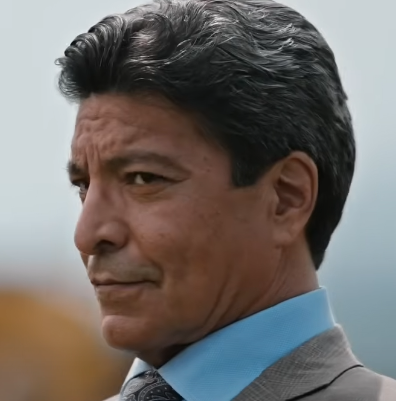
The narrative unfurls with the introduction of Thomas Rainwater, not as the established leader we know, but as a man bearing the weight of a revealed past. His chilling recollection of his adoption, believing himself Mexican until the age of 18, only to discover his Native American heritage, casts a long shadow. His adoptive parents, in a misguided attempt to shield him, confessed their lie, revealing a stark truth: “As an Indian, I would know a hatred that had to be endured to be fully understood.” This profound trauma forged Rainwater’s resolve, cementing his belief that true change must come from within his people. The nation, he asserts, has always sought to erase their identity, offering a “better life” only if they ceased being Indian. But Rainwater’s vision is different: he intends to buy back their ancestral lands with the very money of those who took it, turning the tide of the “gambler’s money” to flow “our way.” His audacious request to the visiting Senator – “I want you to help me spend it” – signals the beginning of a new, aggressive era for Broken Rock.
Rainwater’s ascension to the chairmanship is met with the celebratory fervor of his people, yet beneath the triumph, a complex web of challenges already spins. His ambitious plan centers on a sprawling casino and hotel complex, a direct affront to the established powers like the formidable Beck brothers, who exert a chokehold on liquor licenses and local commerce. Rainwater’s strategy is audacious: bypass state oversight entirely by annexing the land, allowing the Tribal Gaming Commission to govern all permits and licenses. This move, while revolutionary for Broken Rock, immediately escalates tensions.
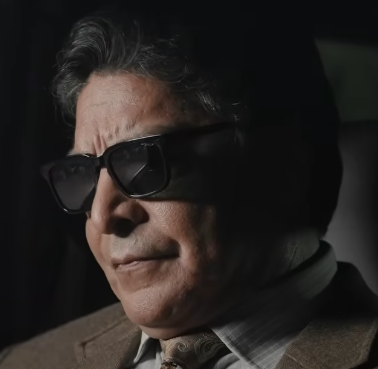
Developer Dan Jenkins, initially a reluctant partner, finds himself caught in the crosshairs. His unease is palpable as Rainwater, with an almost chilling composure, dismisses his concerns about the danger this defiance poses. Rainwater’s enigmatic head of security, Mo, stands as a silent sentinel, a stark reminder that while others play by unwritten rules of power, Broken Rock, by Rainwater’s decree, is “the only ones playing by the rules” – a statement laden with dark irony given the inherent subversion of his strategy. The dramatic annexation ceremony, where Rainwater declares ancestral lands the property of the Confederated Tribes, is a powerful act of justice, yet also a gauntlet thrown, inviting inevitable backlash from those who see it as a brazen “Indian giver” reversal. Dan’s haunting question, “If you were him, would you keep your word?” underscores the perilous gamble he, and indeed the entire reservation, has undertaken.
Beyond the high-stakes political chess, the fabric of life on Broken Rock is woven with deep-seated social issues. The chilling revelation of “ocean water” – a dangerous concoction of Lysol and water consumed as a cheap, illegal escape from the misery caused by alcohol prohibition – paints a grim picture of the reservation’s struggles. Professor Monica Dutton, herself a member of the community, uses this brutal reality to teach her students about investigating the past to understand the present, a theme that resonates deeply throughout the reservation’s narrative.
A vibrant hip-hop concert, a celebration of Indigenous talent and resilience, momentarily lifts spirits. Yet, even amidst the music and cheers, a palpable tension lingers, underscored by a brief, unsettling encounter hinting at the pervasive issues of safety and violence within the community. Monica’s later discovery, likely related to a missing or murdered woman, tragically underscores this reality. Her raw despair, “It’s not fair,” is met by Rainwater’s somber explanation of the government’s historical agenda: reservations were meant to be temporary, a means to force assimilation and then seize the land. But Indigenous people “didn’t learn to be white, wouldn’t,” and now, the government simply wishes them to “die… because it wants the land.” This stark truth galvanizes Rainwater’s drive to reclaim all their land, to build lives impervious to external threats. He recognizes Monica’s fire and taps her to lead a newly formed council focused on violence against women, taking their stories to every possible forum. Their “first fight,” he asserts, “is against being ignored.”
The external threats against Broken Rock manifest dramatically with the discovery of a sacred painted buffalo, deliberately placed at a construction site, marking hallowed ground. This spiritual claim is swiftly met by the corporate behemoth Market Equities, represented by the formidable Caroline Warner and the dismissive Ellis Steele. Warner’s condescending retort – “Just because someone died here doesn’t make the land sacred” – perfectly encapsulates the colonial mindset Rainwater so fiercely combats. Warner, in a cunning display of corporate power, offers a Faustian bargain: Market Equities will fund Broken Rock’s casino development, but in exchange for influence, transforming it into a high-end, world-class resort catering to the elite, designed to “stop holding up the thing that will deliver your customers” – Market Equities’ own broader development plans. Rainwater, ever the pragmatist, agrees to review the contract, signaling a strategic consideration of even the most ethically ambiguous alliances.
Amidst these macro battles, the personal struggles of the Dutton family interweave with Broken Rock’s destiny. Kayce Dutton grapples with the profound trauma of his son Tate’s ordeal, culminating in Kayce’s own act of lethal defense. His guilt weighs heavily, but Mo offers a pathway to healing, promising that a series of traditional sweats and rituals will transform Tate’s perception of his father from a “killer” to a “warrior.” Rainwater, drawing on his deep spiritual wisdom, connects Kayce’s recurring wolf visions to his inherent nature – a protector, a warrior, but one burdened by the “hunter most hunted.” The concept of “Hanbleceya,” a “cry for a vision,” is introduced as a means for Kayce to understand his spiritual path.
The most poignant blend of personal and cultural strength unfolds during the ceremony for Tate’s spirit. The sudden, synchronous death of a horse is viewed by the elders as a divine sign – a “four legged” animal spirit destined to carry Tate’s spirit to the other side. The communal effort of the ranch hands, burying the horse beside the boy, transcends individual grief, becoming a powerful, inter-tribal act of respect and shared humanity. This ancient, deeply private ceremony is not for grieving, but for “sending that boy off in the right way,” a profound demonstration of the spiritual core that grounds the Broken Rock community even in its darkest hours.
However, the path to triumph is rarely linear. Just as Rainwater navigates external corporate threats, he faces an internal challenge to his leadership from Angela Blue Thunder. Her searing public accusations – that Rainwater is selling out, bringing jobs off the reservation, and enriching “white people and Rainwater himself” – sow dissent and undermine his authority within the council. The timing couldn’t be worse, as a new and potentially devastating threat emerges: federal approval for two pipelines, natural gas and captured carbon, slated to run directly beneath Broken Rock’s reservoir, threatening their very drinking water.
The Senator, recognizing the political storm brewing, warns Rainwater that this “path of least legal resistance” will be exploited by Angela to dismantle his support. Yet, in a powerful display of strategic alliance, Rainwater successfully convenes a press conference, inviting Governor John Dutton to stand with him. Dutton, surprising even the Senator, delivers an impassioned condemnation of the pipeline, branding it not as “progress” but as “bias” and “favoritism,” promising to use the “full weight of my office to prevent it from happening.” This unexpected solidarity between old adversaries – the Governor and the Chairman – marks a pivotal moment, a united front against an existential threat.
The journey of Broken Rock Reservation is far from over. It is a relentless saga of battling historical injustices, navigating modern political landscapes, celebrating enduring traditions, and facing down threats from all sides. Thomas Rainwater, a leader forged in the crucible of his own identity, stands at the helm, guiding his people through trials, embracing their traditions, and fighting for their ultimate triumph. The dramatic tension crackles, promising further clashes and profound reflections on what it truly means to be sovereign in a world still fighting to deny it.