In the rugged, unforgiving expanse of Montana, where the Yellowstone Dutton Ranch stands as both a fortress and a burden, the saga of the Dutton family unfurls with a raw intensity that has captivated millions. While patriarch John Dutton fights tooth and nail to preserve his legacy, and his formidable daughter Beth wields chaos with precision, it is the quieter, yet profoundly powerful, bond between Kayce Dutton and his son, Tate, that often serves as the beating heart of the series. Their relationship is a tapestry woven with threads of deep affection, profound understanding, harrowing trauma, and an unwavering commitment to family, making it one of Yellowstone’s most compelling and emotionally resonant storylines.
From the earliest moments, Kayce, the former Navy SEAL turned reluctant rancher, has sought to impart the wisdom of the land and the Dutton way of life to his son, Tate. We first encounter this dynamic not amidst a flurry of gunfire, but in the deceptively simple setting of an ice cream parlor. As a young Tate innocently enjoys his treat, Kayce, ever the educator, offers a biting observation about “transplants” – those who move to a place and seek to reshape it in their own image, stripping it of its inherent character. “That don’t make sense,” Tate declares with childlike clarity, echoing a sentiment that defines the Dutton struggle. This seemingly innocuous conversation lays the groundwork for Tate’s understanding of the world around him, teaching him early on the inherent conflict between those who belong to the land and those who merely occupy it. It’s a subtle yet potent lesson, delivered with Kayce’s characteristic calm demeanor, that foreshadows the very battles Tate will inevitably face as a Dutton.
These formative lessons continue in the wild, pristine beauty of a Montana river, where Kayce, alongside his brothers Lee and Jamie, introduces Tate to the timeless art of fishing. The scene, bathed in gentle light, is a rare glimpse into a fleeting moment of familial harmony, a poignant counterpoint to the turmoil that perpetually swirls around the Duttons. Tate’s unadulterated joy upon catching a fish – “I caught a fish!” – is infectious, a pure expression of childhood wonder, and Kayce’s proud smile speaks volumes. Yet, even in this idyllic setting, the undercurrents of family discord are palpable. The brothers’ banter, their nostalgic reflections on youth, and the simmering tension over Kayce’s choice to raise Tate off the ranch – in what Jamie cynically calls a “meth-filled desert” – highlight the complex loyalties and deep-seated resentments that plague the Dutton men. Kayce’s defiant stance, “What I’m proving, you’ll never understand,” underscores his desperate attempt to forge a different path for his son, a path he believes offers safety, even if it means estrangement from his own father. When Tate, witnessing his father and uncles argue, instinctively throws a rock at Kayce, it’s a stark reminder that the weight of the Dutton legacy, with all its inherent conflict, rests heavily on even the youngest shoulders. Kayce’s immediate reassurance to his son, that “We’re just brothers arguing… Nobody’s mad,” showcases his protective instinct and his innate ability to shield Tate from the deeper currents of their tumultuous world.
The Kayce and Tate narrative also thrives in its lighter, more intimate moments. A simple exchange over gummy bears reveals Kayce as a patient, yet slightly exasperated, father. Tate’s innocent logic, “If it’s such garbage, why do you have it?” is met with Kayce’s playfully authoritative “I’m bigger.” These snippets of everyday life ground the fantastical drama of Yellowstone, reminding viewers that at its core, it’s a story about family.
However, the path of a Dutton is rarely smooth. The series has consistently pushed Kayce and Tate through unimaginable hardships, testing the very limits of their bond. When Kayce contemplates rejoining the army to provide for his family, Tate’s heart-wrenching plea, “I don’t want you to go… Then don’t,” is a raw demonstration of his fear of abandonment and the profound depth of his attachment to his father. Later, Kayce’s poignant visits to Tate while he sleeps at Monica’s house, navigating Monica’s understandable desire to “shield him from what you’ve done,” paint a vivid picture of Kayce’s yearning for his son and the painful separation their dangerous life often imposes. Watching over Tate, Kayce is a man stripped bare, his vulnerability a stark contrast to his usual hardened exterior.
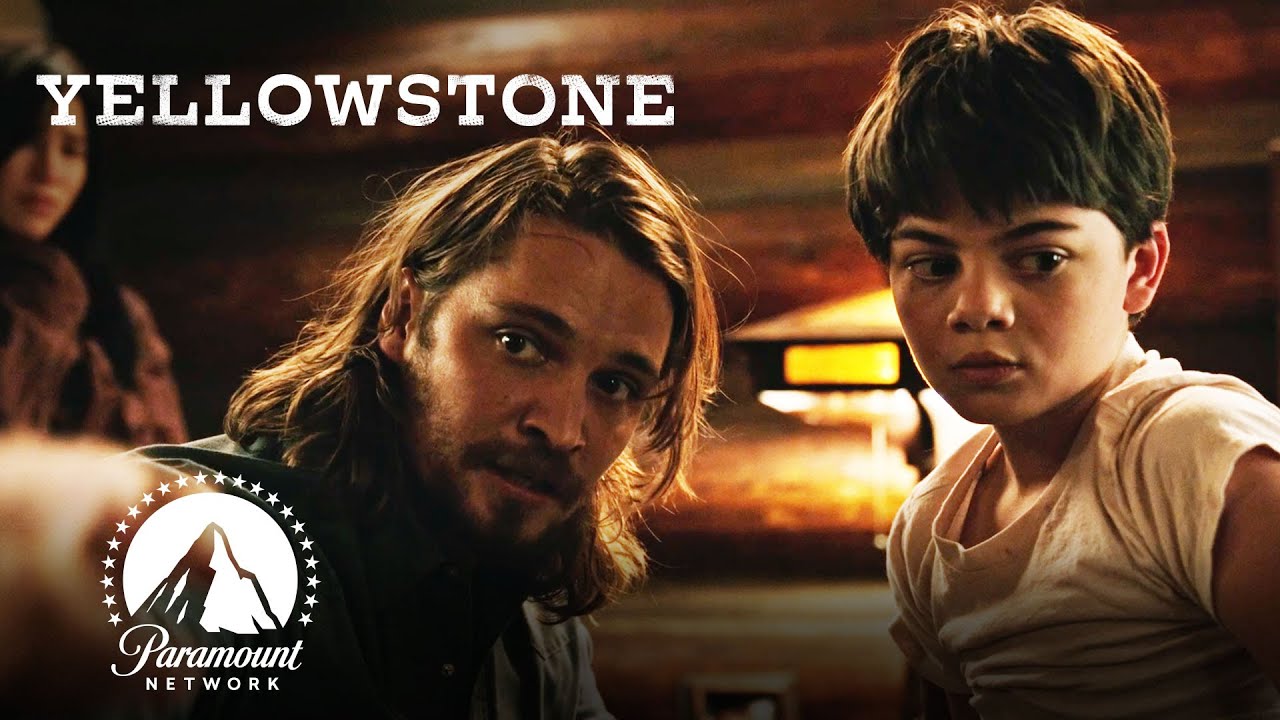
The most profound challenge to Tate’s innocence, and indeed the Dutton family’s equilibrium, came with his traumatic kidnapping. The aftermath saw Tate retreat into himself, plagued by an unspeakable terror that left him hiding under his bed, unable to face the world. This storyline delivered some of the most emotionally charged and pivotal scenes in Yellowstone’s history. While Monica, Tate’s mother, grappled with the trauma with gentle, empathetic patience, Kayce’s approach, though initially perceived as harsh, ultimately proved transformative. His powerful, unwavering words to Tate – “Being under the bed is not gonna make you safe… You’re the only thing that’s gonna make you safe. You got nothing to be afraid of… Your biggest fear already came, and you already beat it, right? You already beat it” – were a masterclass in paternal tough love. It was a moment of profound psychological healing, delivered with a forceful honesty that shattered Tate’s fear and empowered him to reclaim his bravery. This scene solidified Kayce’s role not just as a protector, but as a sage, guiding his son through the darkest corners of his trauma. The subsequent confrontation with Monica – “He’s not scared. It’s you who’s making him scared” – though difficult, underscored Kayce’s conviction in his methods and his deep understanding of Tate’s burgeoning spirit.
Even in the face of unspeakable tragedy, such as Monica’s devastating miscarriage, Tate exhibits a remarkable resilience. His innocent yet profound questions about loss – “Are you gonna try again? For another one? I liked having a brother” – offer a surprising ray of hope and a testament to his innate capacity for love and acceptance. Kayce’s tender explanation of Monica’s grief, “She lost more. He was a part of her, so she lost part of herself,” showcases his growing emotional maturity and his unwavering commitment to helping Tate understand the complexities of life and death.
As Tate grows, Kayce continues to prepare him for the realities of life on the ranch and within the Dutton dynasty. Whether teaching him to herd cattle with patient instruction (“If you run at ’em, they’re gonna run down that hill, and then the chase is on”) or honing his shooting skills on the range (“You’re good”), Kayce is subtly, yet deliberately, molding Tate into a capable, resilient individual worthy of the Dutton name. These moments are more than just lessons; they are rituals, passing down centuries of tradition and knowledge, forging an unbreakable bond rooted in shared purpose and a deep connection to their ancestral land.
The relationship between Kayce and Tate is a constant anchor in Yellowstone’s tumultuous narrative. It serves as a reminder that amidst the violence, political machinations, and existential threats to the ranch, there is still profound love, sacrifice, and the enduring hope for a future. Their journey is one of survival, healing, and the quiet, powerful inheritance of a legacy that is both a blessing and a curse. As Tate transitions from a wide-eyed boy to a young man beginning to understand the weight of his name, his unwavering bond with Kayce remains the most compelling testament to the power of family in a world constantly threatening to tear it apart.