From the sweeping, unforgiving landscapes of Montana to the sun-scorched plains of colonial Africa, Taylor Sheridan’s “1923” plunges audiences into an era of brutal beauty and relentless struggle. More than just a prequel to the sprawling “Yellowstone” universe, it is a testament to the enduring, often tragic, legacy of the Dutton family. And at the heart of this visual masterpiece, where every thread tells a story of hardship, love, and defiance, stands the unparalleled artistry of Costume Designer Janie Bryant. Her work isn’t merely about dressing characters; it’s about enveloping them in the very fabric of their destiny, ensuring that every garment resonates with the soul-crushing weight of their era and the desperate fight for survival.
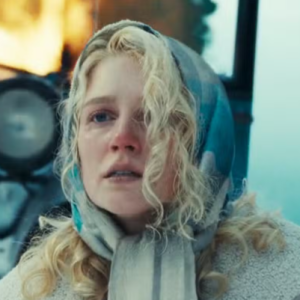
“To costume design this show is amazing,” reflects Bryant, whose meticulous approach transformed historical research into a living, breathing tapestry. She delved deep into the nuances of early 20th-century life, from the gritty attire of Montana ranchers to the cosmopolitan elegance of European travelers and the desperate garb of merchant ship crews. But the overarching challenge, and perhaps the most powerful visual cue of “1923,” was the unforgiving Montana winter. “I really wanted the audience to see that it was brutally cold,” Bryant emphasizes. This wasn’t merely a stylistic choice; it was a narrative imperative. Every scarf, every layered sweater, every heavy coat served as a tangible reminder of the elements relentlessly battering the Duttons, mirroring the external threats that constantly assailed their existence. The sheer volume of thick wools, rugged leathers, and practical, hardy fabrics communicated a bone-chilling reality that transcended the screen, making viewers feel the bite of the wind alongside the characters.
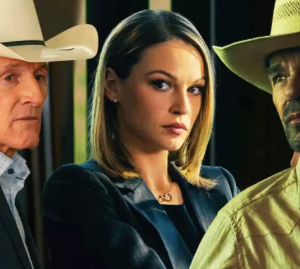
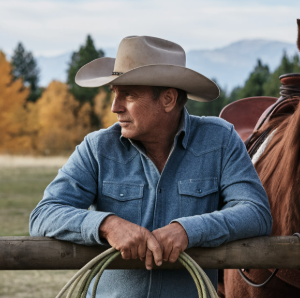
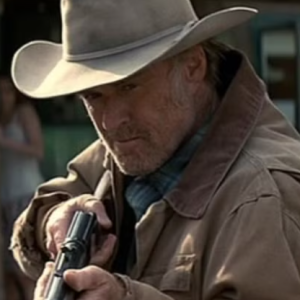
The psychological weight of “1923” is borne most acutely by its patriarch and matriarch, Jacob and Cara Dutton, portrayed with stoic power by Harrison Ford and Helen Mirren. Their costumes, as Bryant notes, are defined by “very dark color palettes,” reflecting the “heaviness, the burden of the show” they carry. Jacob, with his weathered face and steely gaze, is often seen in deep blues, somber grays, and rich browns, colors that ground him to the earth he so fiercely protects. His sturdy wool coats and practical denim signify a life lived in constant defense of his ranch, a fortress against encroaching modernity and avaricious rivals. Cara, the indomitable Irishwoman, mirrors his palette, yet her clothes possess an understated elegance – a testament to her quiet strength and unwavering resolve. As the season unfolds, and tragedy strikes with brutal force, their increasingly worn and battle-scarred attire becomes a visual testament to the relentless assaults on their family. From the initial ambush that leaves Jacob clinging to life, to the constant skirmishes with Banner Creighton’s sheepherders, and the looming threat of Donald Whitfield’s land grab, Cara and Jacob’s dark, heavy clothing becomes a second skin, a somber uniform of leadership in a war-torn landscape. It speaks of sacrifice, of a love forged in fire, and the crushing responsibility of safeguarding a legacy.
In stark contrast to his elders, Jack Dutton, the hopeful young heir, begins his journey with a “lighter palette.” “Like the burden is not so heavy on him,” Bryant explains. Jack’s initial wardrobe of lighter blues and earth tones reflects his youth, his optimism, and his burgeoning romance with Elizabeth Strafford. His clothes often seem less burdened by the weight of the world, perhaps signifying his initial naiveté regarding the brutal realities of the Duttons’ existence. “I kind of wanted him to have like that blue palette to kind of tie in with Liz, ‘cuz they’re kind of like young and in love,” Bryant reveals. This lightness, however, is gradually eroded. As Jack is thrust into the fray, witnessing horrifying violence, enduring profound loss, and forced to take up arms in defense of his family, his once bright future darkens. The youthful innocence suggested by his early attire gives way to the grim realities of ranch life and the inherent dangers of bearing the Dutton name.
Elizabeth Strafford’s sartorial journey is perhaps one of the most poignant visual arcs of the series. Bryant describes her initial wardrobe as filled with “pastels and pinks and purples that just kind of show Elizabeth’s feminine side and how she’s very vibrant and hopeful.” This effervescent palette perfectly captures her arrival on the Dutton ranch – a vibrant, modern woman from a comfortable background, brimming with anticipation for a future with Jack. However, “as we go through the episodes, that kind of shifts when she goes through hard times.” And indeed, Elizabeth’s trials are severe. From the moment she steps onto the rugged, untamed land, she is confronted with a level of violence and hardship she could never have imagined. The joy of her impending marriage is shattered by bloodshed, the death of her father, and the brutal reality of survival on the frontier. Her vibrant, hopeful colors gradually give way to more muted, practical tones, reflecting her loss of innocence, her resilience in the face of unspeakable tragedy, and her gradual integration into the harsh realities of the Dutton world. Her transformation, visually conveyed through her clothing, is a powerful testament to the show’s unflinching portrayal of how the West broke, and sometimes remade, its inhabitants.
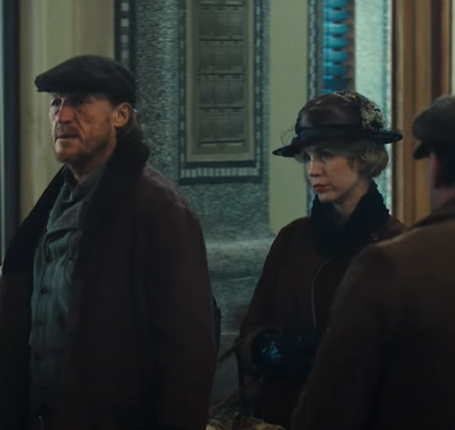
Far removed from the frozen plains of Montana, yet inextricably linked by blood, is Spencer Dutton. His “very masculine” color palette, dominated by “manly tones” of brown, speaks volumes about his character. Haunted by the horrors of World War I, Spencer has sought solace and purpose in the unforgiving wild of Africa, becoming a professional hunter of apex predators. His signature leather jacket, a piece Bryant describes as “beautiful to design,” is more than just clothing; it’s a hardened shell, a second skin forged in danger. Every scuff, every crease on that leather tells a story of survival, of confronting death head-on, and of a man trying to outrun his demons. As he receives Cara’s desperate letters, urging him home to aid his beleaguered family, Spencer embarks on an epic, perilous journey across continents. His brown, rugged attire becomes his uniform against the elements and the myriad threats he faces – from attacking lions to treacherous sea voyages and treacherous encounters. It underscores his solitary nature, his formidable capabilities, and the inherent danger that surrounds him, a man perpetually teetering on the edge of survival.
Then there’s Alexandra, Spencer’s spirited British fiancée, whose journey from aristocratic comfort to frontier hardship is mirrored in her evolving wardrobe. Bryant describes her initial “eternal bride” palette of “ivory and camel and lavender and blue and peach” – pale, delicate colors reflecting her refined background and romantic ideals. These “understated” travel clothes, however, quickly adapt to her new reality as she embarks on the extraordinary journey with Spencer. Her effortless transformation from a lady of leisure to a resourceful companion, even adopting the disguise of a “maid” during their perilous travels, showcases her remarkable adaptability and her profound love for Spencer. Her clothes, initially designed for a life of privilege, slowly become practical, yet never lose their subtle elegance, symbolizing her inner strength and her unwavering commitment to a love that defies societal expectations and global distances. She sheds the constraints of her past, not through grand gestures, but through quiet perseverance, her pale palette subtly shifting to embrace the rugged beauty of her new life.
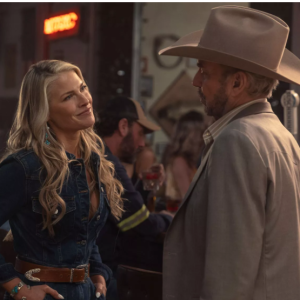
Even the antagonists are meticulously costumed to reflect their ambitions and eventual fate. Banner Creighton, the ruthless sheepherder, initially attempts to shed his humble origins. Bryant notes how he “had to kind of like dress up and kind of fit in with Whitfield” – donning more formal, if ill-fitting, attire to align himself with the wealthy, manipulative Donald Whitfield. This brief period of elevated dress symbolizes his desperate aspiration for power and his ill-fated alliance. However, as his plans unravel and the conflict escalates, Banner inevitably reverts “to his sheepherder ways,” his clothing becoming more practical, more reflective of his true nature and his relentless pursuit of the Duttons’ land. His sartorial choices underscore his journey from ambitious pawn to desperate foe, his clothes reflecting the grit and determination of a man unwilling to back down, even in the face of overwhelming opposition.
Janie Bryant’s “wizardry” lies not just in her ability to source authentic 1920s vintage clothing, but in her profound understanding of how attire can serve as a non-verbal narrative device. Every stitch, every layer, every color choice in “1923” is a deliberate brushstroke in a vast, dramatic canvas. The costumes are not mere adornments; they are intrinsic to the storytelling, underscoring the themes of survival, love, loss, and the enduring legacy of the Dutton family. They immerse the audience in the brutal realities of a bygone era, making the struggles of Cara, Jacob, Jack, Elizabeth, Spencer, and Alexandra viscerally real. As Bryant concludes, her love for the script and her commitment to embracing its journey is paramount. This deep connection shines through in every meticulously crafted costume, transforming “1923” into not just an amazing adventure, but a poignant, visually stunning journey through the very soul of the American West.