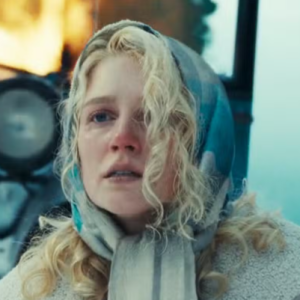
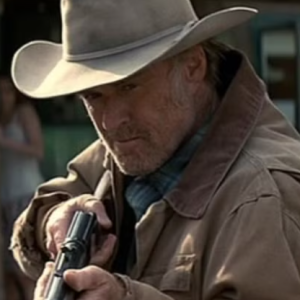
From the moment its sweeping landscapes and brutal truths first flickered onto screens in 2018, Taylor Sheridan’s “Yellowstone” has captivated audiences, drawing them into a world where tradition clashes with modernity, and loyalty is forged in blood and soil. As the acclaimed Paramount series gallops towards what is anticipated to be its final, climactic season, fans cling to every moment, not just for the searing drama and intricate power plays, but for an authenticity that feels as real as the dust kicked up by a thousand hooves. This gritty realism, the very heartbeat of the Dutton Ranch, is no mere accident of filmmaking; it is the deliberate, often arduous, pursuit of perfection orchestrated by Sheridan himself, primarily through his infamous “cowboy boot camp.”
The allure of “Yellowstone” lies in its unwavering commitment to depicting life on the range with an unvarnished truth. The sight of Kevin Costner’s John Dutton, or Cole Hauser’s Rip Wheeler, moving with an innate grace atop a horse, riding as if born in the saddle, is a testament to this dedication. Such mastery, seemingly effortless, belies weeks of grueling training, pushing actors beyond the comfortable confines of Hollywood soundstages and into the rugged, demanding world of real horsemanship.
Taylor Sheridan, a Texas-raised, self-professed cowboy whose very essence seems steeped in the lore of the West, harbors an almost zealous disdain for the cinematic contrivances that often plague traditional Westerns. “Most Westerns you’ve ever seen,” he scoffs, “it’s a bunch of horses in the distance running together and then you cut to a bunch of actors sitting on fake horses.” For Sheridan, such artifice is anathema. His vision for “Yellowstone” demands that his cast not merely wear the iconic cowboy hats and chaps, but inhabit the very spirit of the ranchers and wranglers they portray. “I want them to look the parts that I’ve written for them,” he states with characteristic bluntness, emphasizing that true portrayal extends far beyond superficial costume. This uncompromising stance is the genesis of his renowned cowboy boot camp, a crucible where actors are forged into genuine riders, enabling Sheridan to “make a better product” with “happier actors” and, crucially, “happier horses.”
Sheridan’s Texas ranch, nestled outside Dallas, transforms annually into a rigorous, immersive experience that is anything but a typical “Hollywood Dude Ranch.” Here, the actors are thrown headfirst into the demanding reality of ranching. “They put me on a different horse every day, different saddle every day,” explains Cole Hauser, the enigmatic Rip Wheeler. Hauser, whose own Oregon upbringing on a ranch instilled in him an early affinity for horses, understands the profound depth required for his role. “To do this role, you know, requires like serious saddle time from different disciplines, whether it’s reining, whether it’s cutting.” These aren’t merely decorative skills; they are the bedrock of the character’s perceived authenticity, allowing Rip’s stoic competence and unwavering loyalty to resonate with a primal truth. The physical toll is immense, a testament to the unyielding demands of the training. “This is day two,” Hauser admits with a wry grin, “I think my ears are sore.”
The intensity of the boot camp is amplified by the expertise of the professionals Sheridan brings in—true cowboys and horsemen who embody the very life depicted on screen. Jake Green, initially hired as a horse trainer from Utah, so impressed Sheridan with his innate horsemanship and presence that he was brought into the cast as a ranch hand. Along with Ethan Lee, a master saddle maker whose skills were also tapped for both training and acting roles, Green and Lee impart not just riding techniques, but an understanding of the profound partnership between human and horse. They teach the cast to read equine body language, to understand the subtle cues and inherent risks. “You better be on your toes and pay attention,” Green warns, a mantra for survival on the range.
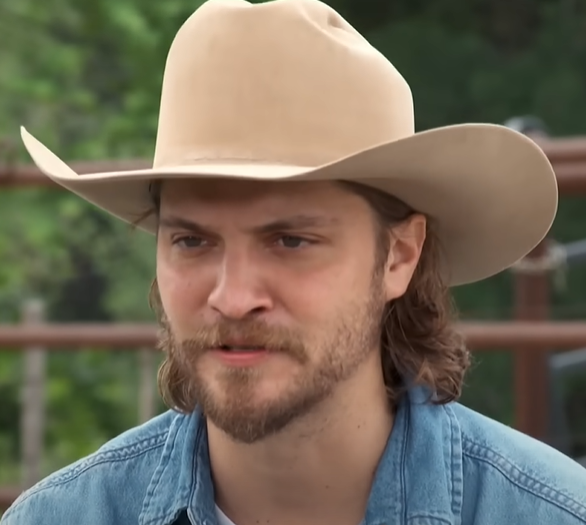
Sheridan’s philosophy extends beyond the safe confines of the arena. While initial training might occur there, he believes true mastery comes from confronting the unpredictable wilderness. “To me, you can teach people a lot about horses in the arena and they feel safe… but it’s better in my opinion to go ahead and you know, go let them ride… go up some trails and learn to ride, learn to jump ditches, learn to… when [a horse] maybe trips on a rock, you know, and teach ’em that way.” This immersive, visceral approach is vividly demonstrated through Luke Grimes, who portrays the complex, often conflicted Kayce Dutton. Green took Grimes on a grueling four-day pack trip into the heart of the wilderness. “At that point we’d only really ridden in arenas, you know, kind of loping in a circle just getting used to everything,” Grimes recalls. “And now we’re jumping creeks and our horses are getting spooked by snakes and it’s, you know, just a whole different way of learning how to be on a horse.” This deep dive into the wild mirrors Kayce’s own journey, his struggle to reconcile his past with his present, his deep-rooted connection to the land a defining aspect of his character. The authenticity forged in the saddle translates directly to the raw, visceral believability of his performance.
The driving force behind this uncompromising approach is a deep-seated respect for the audience and a fear of ridicule from those who truly understand the cowboy way. “Authenticity is everything,” Sheridan emphasizes, admitting that if something is “not quite right,” he’ll be inundated with “phone calls and text messages” from his discerning, cowboy-savvy friends. This external pressure, coupled with his internal drive for verisimilitude, ensures that every detail, every movement, rings true. Yet, despite the rigorous demands, there is a welcoming spirit within this hardened world. Ethan Lee, whose calm demeanor belies his vast knowledge, notes that trainers “take pretty kindly to newcomers,” patiently guiding them from clumsy beginnings to confident horsemanship.
Perhaps no actor embodies this transformation more dramatically than Jennifer Landon, who electrifies the screen as the fiercely independent and unfiltered ranch hand, Teeter. Desperate for the part, Landon, who hadn’t been on a horse since childhood, allowed her manager to spin an “old west yarn” about her riding prowess. “I haven’t been on a horse since I was about seven years old, but I can trot,” she confessed, a charming admission of her initial deception. The lie worked, but then came the daunting reality of making it true. Five seasons later, Landon’s dedication has yielded astonishing results. “I’ve gotten to the place where I can rope a cow at a dead standstill and I can rope a dummy cow being pulled by a gator off the horse,” she proclaims with deserved pride. It is a remarkable accomplishment, a testament to her tenacity and the effectiveness of the boot camp. Her journey from novice to accomplished rider even draws a poignant comparison to her late father, television icon Michael Landon of “Bonanza” fame. Jennifer’s mastery of the saddle potentially surpasses his, a powerful narrative of inherited legacy and self-made achievement.
The cowboy boot camp is more than just a training ground for actors; it’s a vital artery pumping lifeblood into the narrative of “Yellowstone.” The physical demands learned by the cast directly inform the emotional and moral battles fought by the Dutton family. The dangers encountered on horseback underscore the constant threats to their land and way of life. The bond forged between actor and horse mirrors the deep-rooted connection the Duttons have to their ranch and its traditions. Cole Hauser’s real-life grit makes Rip’s unyielding loyalty and formidable presence entirely believable. Luke Grimes’ immersive wilderness experience grounds Kayce’s internal conflicts and his profound sense of belonging to the landscape. Jennifer Landon’s hard-won skills imbue Teeter with a raw, authentic tenacity that makes her one of the show’s most compelling characters. These are not merely performances; they are embodying a lifestyle, a philosophy, a fight for survival.
As “Yellowstone” prepares for its final ride into the sunset, the impact of these rigorous boot camps will be etched into cinematic history. They are the secret ingredient that transforms mere actors into believable cowboys and cowgirls, ensuring that every gallop, every lasso, every quiet moment in the saddle resonates with truth. It’s this unyielding pursuit of authenticity that has elevated “Yellowstone” from a mere television series to a cultural phenomenon, leaving audiences with a profound and lasting understanding of the “joy and poetry of horse and human in motion.” This is why, even as the series concludes, its legacy, much like the wild spirit of the West, will continue to ride on.