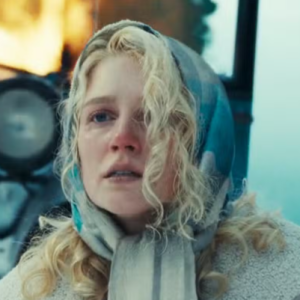
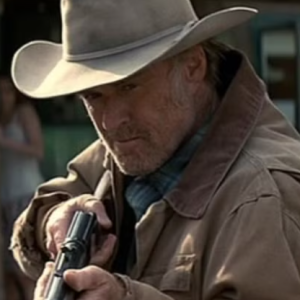
From the desolate plains of the American West, where grit and desperation carved the landscape, came a story that would forever alter the perception of frontier life. 1883, the searing prequel to Taylor Sheridan’s juggernaut Yellowstone, promised a journey into the origins of the Dutton family’s formidable empire. What it delivered, however, was a raw, visceral exploration of hope, heartbreak, and the brutal cost of a dream. Its finale, “This Is Not Your Heaven,” was not merely an ending but a profound, gut-wrenching genesis, revealing the devastating truth behind the Duttons’ ancestral claim to the Paradise Valley and forging the very soul of Yellowstone.
The season-long journey of the Dutton family, led by the stoic James (Tim McGraw) and the resilient Margaret (Faith Hill), reached its harrowing climax with their beloved daughter, Elsa (Isabel May), teetering on the precipice of death. Struck by a Comanche arrow, an injury inflicted in a desperate defense of her caravan, Elsa’s wound refused to heal, a creeping, insidious infection taking hold. The desperate dash to a nearby fort, a supposed beacon of salvation, proved to be a cruel mirage. Arriving at a desolate outpost manned by two young, inexperienced soldiers, James and Margaret’s pleas for a surgeon were met by Major Hempel, a man devoid of staff, supplies, or solutions. His grim pronouncement – the arrow had struck Elsa’s liver, and sepsis had already set in – was a death knell that echoed across the vast, indifferent landscape. The fort, far from a sanctuary, was nothing more than a surveying post for ambitious railroad engineers, making Fort Laramie, still days away, their only, equally hopeless, alternative.
The major’s words crushed the last vestiges of hope that fans had clung to, setting the stage for an agonizing family drama. As Elsa drifted in and out of consciousness, her parents faced an unbearable burden: how to tell their vibrant, fiercely independent daughter that her journey was nearing its end. Margaret, clinging to every last thread of optimism, shielded Elsa from the grim reality, even reassuring her of a broken fever. James, however, believed in Elsa’s profound spirit and wished to grant her the dignity of knowing her fate, a silent chasm growing between the grieving parents. The unspoken tension, the profound sorrow of a father unable to be honest with his dying child, painted a raw portrait of parental anguish.
It was this unbearable tragedy that dictated the Duttons’ destiny. For Yellowstone fans, the enduring mystery had always been why James Dutton, initially bound for Oregon, eventually settled in Montana. The finale provided the definitive, heartbreaking answer. With Fort Hempel offering no succor, and Oregon an unreachable fantasy, James, alongside the gruff but honorable wagon master Shea Brennan (Sam Elliott), made the pivotal decision. Elsa deserved a proper resting place, not a hasty burial along an endless trail. The Bozeman Valley in Montana, a haven James vowed they would reach before winter, became their new, fateful destination. It was a choice born of desperation and love, a pivot that would plant the seeds of the most powerful ranching dynasty in American fiction.
This seismic shift, however, came at a cost. The dwindling wagon train, weary and demoralized, refused the diversion. Despite Shea’s stern warnings, they were adamant, clinging to their original destination. “A trail is easy enough to follow now,” they declared, their naive conviction a stark contrast to Shea’s hard-won wisdom. Their decision proved fatal. Not long after parting ways, the Oregon-bound group met a brutal end, ambushed and slaughtered by bandits – a chilling reminder of the unforgiving lawlessness of the untamed frontier, and a testament to the fatal consequences of ignoring experienced counsel.
Left with only a handful of loyal companions, James, Shea, and the remaining few pressed on. Josef (Marc Rissmann), severely ill from a snakebite, faced a horrifying choice: amputation or certain death. In a harrowing, firelit scene that solidified the series’ unflinching portrayal of frontier medicine, Shea and Thomas (LaMonica Garrett) performed a brutal, necessary surgery, severing Josef’s leg. Elsa, watching her fellow traveler endure such agony, could only wryly comment, “Sure glad I didn’t get shot in the leg.”
Amidst the despair, moments of profound human connection flickered. Around a campfire, as Margaret softly sang a lullaby to her dying daughter, James shared a poignant detail about his wife’s singing only for their children. But it was Shea Brennan who laid bare his soul, revealing a personal tragedy that resonated deeply with his journey. He recounted how his wife, in a desperate act of love, had feigned an affair to lure him home from the Civil War, inadvertently saving him from the slaughter at Gettysburg. It was a revelation that humanized the stoic veteran, offering a glimpse into the profound love he had lost and the quiet yearning for family that fueled his relentless drive to fulfill his promise. This vulnerability solidified the deep respect and bond between James and Shea, revealing a shared understanding of love and loss that transcended the harsh realities of their existence.
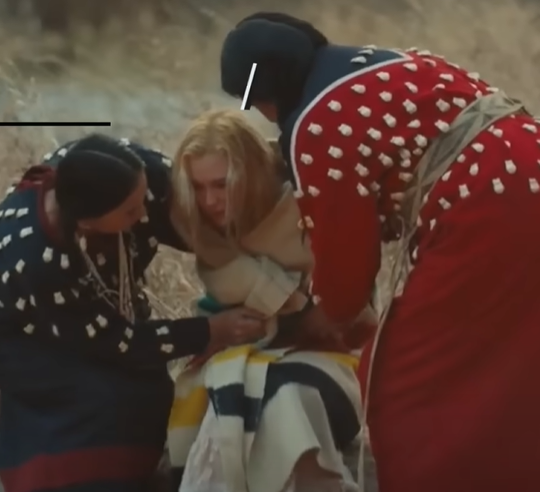
As the small, beleaguered group pressed north, a seemingly miraculous encounter offered a fleeting flicker of hope. A band of friendly Native Americans, led by the wise elder Spotted Eagle (Graham Greene), crossed their path. Seeing Elsa’s dire condition, Spotted Eagle offered the aid of his tribe’s medicine women. For a moment, audiences dared to believe in a reprieve, a thematic healing for Elsa who had found such connection with the land and its indigenous people throughout her journey. Yet, the truth was crueler still. Spotted Eagle explained the Lakota’s devastating practice: coating arrow tips in cow manure to ensure infection, a slow and agonizing demise if the initial wound did not kill. Despite their spiritual ceremonies and dedicated care, there was truly no saving young Elsa.
Accepting his daughter’s inevitable fate, James shared his profound intention with Spotted Eagle: wherever Elsa lay to rest, that would be the spot where he and Margaret would lay claim, building their ranch around her memory, a perpetual monument to her vibrant life. Not knowing the region, James voiced his fears about its hospitality. In response, Spotted Eagle gifted him a name that would echo through generations of Yellowstone lore: Paradise Valley. He spoke of its cruel winters but its rich summers, a land where a man of plans could thrive. This revelation was a seismic moment for fans, connecting the Duttons’ foundational myth directly to the iconic setting of the flagship series, the very valley where the ranch stands a century and a half later.
Spotted Eagle’s gift, however, came with a prophecy and a request. He warned James that in seven generations, his people would rise to reclaim their land. In return for guiding them to their future home, he asked only for the continued right to hunt in the valley, a request James readily granted. This solemn agreement explains James’s future kindness towards the indigenous tribes glimpsed in Yellowstone flashbacks, a debt of gratitude for the guidance that secured his family’s legacy.
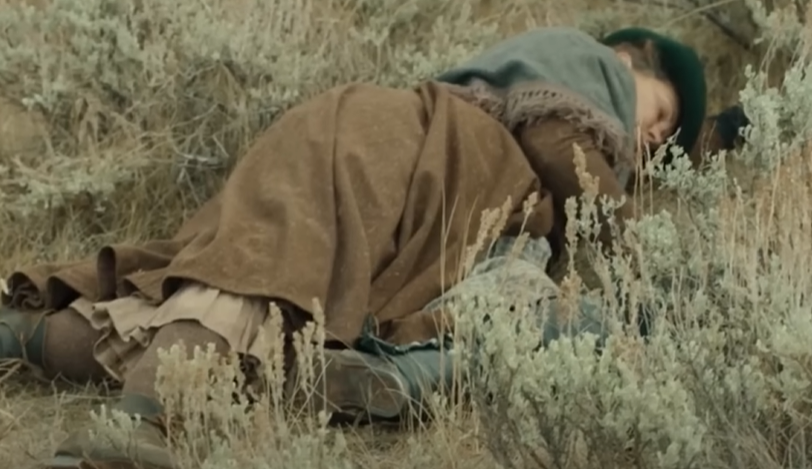
Finally, Elsa, with heartbreaking clarity, grasped the truth of her impending death. Feeling a profound sense of betrayal that her father had withheld the truth, she made one last, powerful request: to choose the very spot where she would die. James, his heart breaking, granted her wish, as Margaret watched, shattered, from a distance. It was Shea Brennan, the hardened veteran, who offered James the solace he desperately needed. Elsa, he reminded him, had lived a life fuller than most, despite its brevity. She had outlived them all. Elsa had known love, adventure, hardship, and the boundless beauty of the untamed West. Death, for her, was merely the final destination on a short, extraordinary journey through this world.
As Elsa passed away in her father’s arms, under the tree that would mark the future heart of the Dutton ranch, the series flashed forward one year, offering glimpses into the fates of the surviving travelers. Josef, a symbol of resilience, hobbled on crutches, his leg amputated, building his new home. Thomas and Noemi, having found their hard-won peace, staked their claim in Oregon’s Willamette Valley, their children, finally forgiving their mother, rushing to embrace her. But it was Shea Brennan’s end that delivered the most poignant blow. On a beach overlooking the vast Pacific, his lifelong journey complete, his promise fulfilled, Shea spoke softly to his late wife, Helen. Having seen all there was to see, and with nothing left to hold onto, he ended his own life, a final, heartbreaking act of liberation and release.
1883 was not the high-octane Western adventure many Yellowstone fans might have anticipated. Instead, it was a somber, emotional drama, a slow and intimate look at the brutal realities of life on the frontier. From Elsa’s poetic narration to the unflinching portrayal of violence and loss, it was a bleak tale of sorrow and hopelessness, punctuated by bittersweet moments of joy and connection. The unforgiving narrative illustrates how every element of early American life was fraught with danger and death. Ultimately, 1883 revealed the searing truth: the Duttons’ claim to their land was not born of conquest or ambition alone, but forged in the crucible of unimaginable grief, a sacred promise made over a daughter’s grave, ensuring her memory would live on in the very soil that defines the legendary Yellowstone ranch.