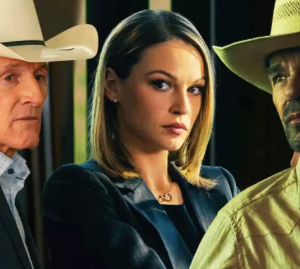
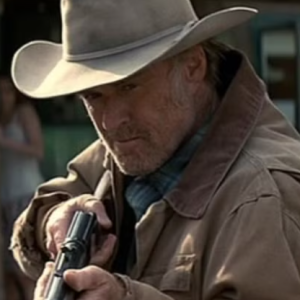
Viewers were captivated by Helen Mirren’s powerful portrayal of Cara Dutton, the stoic and resilient matriarch of the Dutton family, when 1923 premiered in 2022. For two compelling seasons, Mirren breathed life into a character who quickly became a cornerstone of the burgeoning Yellowstone universe. Her commitment to the role involved a unique and significant gamble, one atypical for an actress of her distinguished caliber. Mirren, alongside co-star Harrison Ford, revealed they had to commit to the series without having read a single word of the script or any character details. This extraordinary leap of faith in the show’s visionary creator, Taylor Sheridan, ultimately paid off handsomely, with 1923 quickly solidifying its status as a bona fide hit.
Despite the profound success and deeply rewarding experience of embodying Cara, Mirren holds a pragmatic view regarding a potential return to the character. “I’d love to revisit Cara, but you know that’s not going to happen,” she candidly shared, explaining that “The great thing about [1923] is there’s a beginning, a middle, and an end.” This definitive narrative arc, she suggests, provides a satisfying closure to Cara’s specific journey. However, her admiration for Sheridan’s craft remains undiminished. Mirren expressed an eager desire to collaborate with him again, albeit in a different manifestation. “I would always love to work with him. For an actor, we deal in words, and words is what Taylor does so very, very well,” she affirmed, underscoring the exceptional quality of Sheridan’s writing that continues to attract top-tier talent.
Cara Dutton stands as a towering figure within the Yellowstone saga, embodying the indomitable spirit required for survival in the harsh American West of the 1920s. As the bedrock of the Dutton family, her character is a masterclass in quiet strength, unwavering resolve, and profound love. Her wisdom and pragmatism are evident in every decision she makes, whether tending to the wounded, navigating complex family dynamics, or facing down external threats to their ranch and way of life. She is not merely a supportive wife but an equal partner to Jacob Dutton, her husband, portrayed by Harrison Ford. Their relationship is a testament to enduring partnership forged through shared hardship, built on mutual respect and an unshakeable bond. Cara’s emotional fortitude is particularly highlighted when Jacob is gravely injured, forcing her to assume the mantle of leadership, making agonizing decisions to protect their lineage and vast land holdings. Her poignant letters to Spencer, detailing the struggles back home and imploring him to return, reveal a matriarch who carries the immense weight of her family’s future on her shoulders, driven by a deep sense of loyalty and duty.
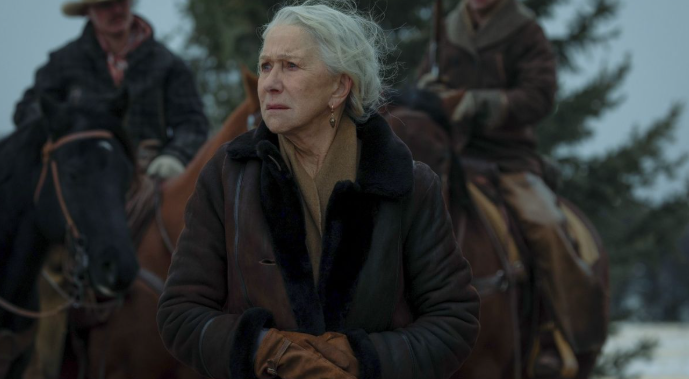
1923 is more than just a family drama; it is a vivid and often brutal portrayal of a pivotal period in American history, preceding the Great Depression. The challenges faced by the Duttons in this era were multifaceted and relentless, providing a stark backdrop against which Cara’s resilience shines. The land itself was unforgiving, plagued by devastating droughts, locust infestations, and the constant threat of disease. Economically, the country was on the precipice of ruin, and the traditional ranching lifestyle was under siege from both natural disasters and aggressive external forces. The series expertly weaves in the brutal reality of range wars, conflicts with opportunistic land grabbers, and the escalating tensions with sheep herders vying for dwindling resources. Furthermore, the storyline involving the Indigenous population, particularly Teonna Rainwater, sheds light on the systemic oppression and profound suffering endured by Native Americans during this period, adding another layer of historical depth and moral complexity to the narrative. Cara Dutton, amidst this maelstrom, represents the unwavering human spirit striving for survival and preservation against overwhelming odds, her every action underscored by the profound commitment to the Dutton legacy and their ancestral land.
Taylor Sheridan’s Yellowstone universe has redefined the contemporary Western, not just through compelling narratives but also through his unique approach to production and casting. The trust that acclaimed actors like Helen Mirren and Harrison Ford placed in him—committing to a series sight unseen—speaks volumes about Sheridan’s reputation as a masterful storyteller and a visionary creator. He builds expansive, interconnected sagas, with 1923 serving as a crucial link in the epic history of the Dutton family, bridging the gap between the pioneering spirit of 1883 and the modern-day struggles depicted in Yellowstone. Sheridan’s writing is lauded for its authenticity, gritty realism, and profound exploration of themes such as legacy, land ownership, the American identity, and the relentless pursuit of survival in a changing world. Helen Mirren’s portrayal of Cara Dutton is arguably one of the most compelling performances in this expansive universe. She imbues Cara with a quiet dignity, fierce protectiveness, and an understated authority that makes her instantly believable as a woman who has weathered countless storms. Her ability to convey deep emotion and formidable strength with subtle expressions and nuanced delivery cements Cara as an iconic figure, earning Mirren widespread critical acclaim and solidifying her status as a beacon of the show’s success.
Helen Mirren’s ability to fully inhabit such a complex and morally grounded character like Cara Dutton is a testament to her legendary versatility. This range is further illuminated by her concurrent work, such as her role as Maeve Harrigan in Guy Ritchie’s crime drama MobLand. Mirren herself drew a fascinating contrast between these two formidable women. While both possess a steely toughness, Cara’s strength is rooted in loyalty, a clear moral compass, and a realistic understanding of her world. She is loving, down-to-earth, and driven by a desire to protect her family and their values. In stark contrast, Maeve Harrigan is described as “crueler,” her toughness manifesting as bullying, calculating, and immoral behavior, existing within a “fantasy world” of her own making. This stark dichotomy not only showcases Mirren’s impressive capacity to embody vastly different personalities but also highlights her nuanced approach to character development, delivering performances that resonate deeply with audiences. While Cara Dutton’s narrative arc in 1923 may have reached its satisfying conclusion, Helen Mirren’s expressed desire to work with Taylor Sheridan again in a different capacity leaves an exciting door open. Given Sheridan’s continually expanding creative universe, which promises new narratives exploring various facets of American history and the human condition, the prospect of another collaboration between these two titans of their respective crafts is an enticing one, suggesting that Mirren’s powerful presence could grace another chapter of his compelling storytelling in the years to come.