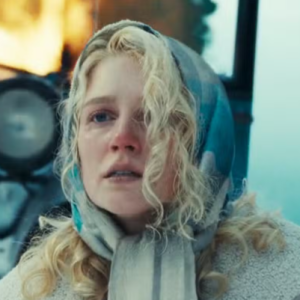
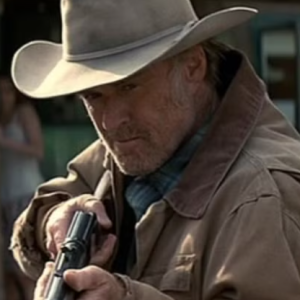
The sprawling saga of the Dutton family and their relentless fight to protect the largest contiguous ranch in the United States, “Yellowstone,” has captivated audiences with its blend of breathtaking landscapes, complex characters, and ruthless power struggles. Central to this narrative are the formidable challenges posed by external forces, notably the corporate suits from Market Equities, led by figures like Willa Hayes and Roarke Morris. These adversaries arrive in Montana with a singular agenda: to acquire the Paradise Valley for an airport and expansive development project, threatening the very existence of the Dutton ranch. It is this existential threat that propels the Dutton family into some of their most desperate and violent confrontations, culminating in an episode so profoundly dark and memorable that it continues to resonate with viewers years later: “Meaner Than Evil.”
Season 3 of “Yellowstone” escalated the conflict to unprecedented levels, pushing the Duttons to their limits. Market Equities, tired of polite negotiations and legal stalemates, shed any pretense of civility. Their strategy shifted from acquisition to provocation, aiming to entrap John Dutton and his ranch hands in illegal acts that could be leveraged in court. To this end, they employed figures like Wade Morrow, a former Yellowstone ranch hand with a grudge, to harass and intimidate the Duttons. This escalating tension reached a boiling point in the preceding episode when Wade and his son, Clint, brutally attacked two of the ranch’s most beloved cowboys, Teeter and Colby, nearly trampling them to death with horses. The miraculous survival of Teeter and Colby, despite their severe injuries, ignited a simmering fury among the Yellowstone crew, setting the stage for one of the most brutal acts of retribution ever depicted in the series.
“Meaner Than Evil” opens with the raw, visceral aftermath of Teeter and Colby’s narrow escape. Their return to the ranch, bruised and battered but alive, galvanizes the Yellowstone cowboys. This wasn’t merely a territorial dispute anymore; it was personal. John Dutton, known for his unyielding protection of his land and family, recognized that Market Equities had crossed an unforgivable line by attacking his people. He authorized a response that would not only exact revenge but also send an unequivocal message to anyone who dared threaten his empire. This sanctioned act of violence would push the boundaries of frontier justice, showcasing the Duttons’ willingness to descend into savagery to defend their way of life.
The episode meticulously details the grim pursuit of Wade Morrow. Walker, a former ranch hand with a complicated past and direct experience with the Duttons’ brutal methods, is instrumental in luring Wade and Clint onto Yellowstone property. Walker had previously been taken to the infamous “train station”—a euphemism for a remote canyon where the Duttons dispose of bodies and evidence, effectively erasing problems from existence. His reluctant return to the ranch under Rip Wheeler’s watchful eye adds a layer of tension, as viewers are left to wonder if he is complicit or merely trapped.
The hunt itself is relentless and unforgiving. The cowboys, led by Rip, pursue Wade and Clint across the unforgiving Montana landscape. During the chase, a horrific accident occurs: Clint Morrow, Wade’s son, falls from his horse and strikes his head on a rock, dying instantly. This accidental death adds a tragic dimension to the unfolding violence, emphasizing the perilous stakes and the irreversible consequences of such conflicts. Yet, it does not deter the cowboys from their grim objective regarding Wade.
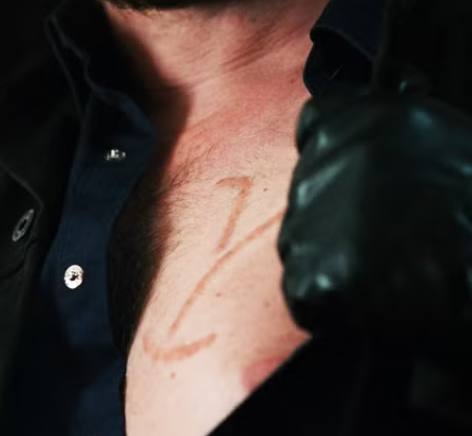
What follows is arguably the darkest and most chilling scene in “Yellowstone” history. The cowboys apprehend Wade, lassoing him and pulling him to the ground. Their intent is clear: Wade will not simply be taken to the train station. His punishment will be public, ritualistic, and deeply symbolic. Before Wade is hanged, Rip forces Walker to perform a brutal act: cutting the Yellowstone brand out of Wade’s chest. The brand, a symbol of loyalty, belonging, and an unspoken oath of secrecy and service to the ranch, is now violently excised from Wade. This act signifies his complete and utter excommunication, a public stripping of any former association with the Duttons, and a mark of his profound betrayal. It is a moment that visually encapsulates the show’s theme of “meaner than evil,” demonstrating that the Duttons can be more ruthless than their adversaries when provoked. Only after this agonizing mutilation is Wade Morrow hanged from a tree, executed on-screen for all to witness – both the characters present and the audiences at home.
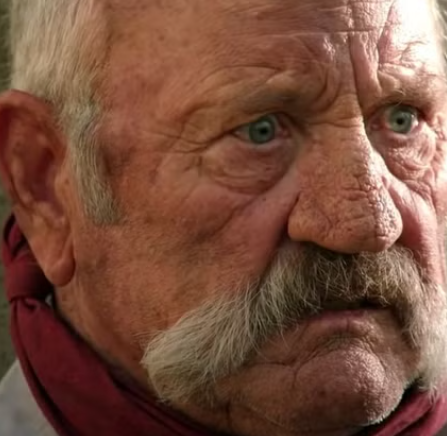
The stark brutality of Wade’s death is not just a shocking spectacle; it is a pivotal moment that defines the ethos of the Yellowstone franchise. It underscores the concept of frontier justice that permeates the series, where the Duttons operate outside the conventional legal system, enforcing their own code of conduct and administering retribution with terrifying efficiency. While morally ambiguous, this act firmly re-establishes the Duttons’ reputation for unwavering resolve and an uncompromising defense of their territory. It’s a clear message to Market Equities: they will not be pushed off their land without a fight, and that fight will be personal and extraordinarily violent if necessary. The moral quandary faced by John Dutton and his family, caught between the demands of modern capitalism and their ancestral claims, is brought into sharp, brutal focus, justifying the episode’s grim title.
Beyond the visceral central event, “Meaner Than Evil” is lauded for its narrative density and its advancement of several other critical plotlines. Amidst the darkness, it unexpectedly marks the subtle beginnings of a romance between Colby and Teeter, their shared near-death experience forging a unique bond that brings a touch of unexpected warmth to the otherwise grim proceedings. Simultaneously, the episode delivers a bombshell revelation for Jamie Dutton: he finally meets his biological father. This discovery sends Jamie down a path of self-discovery and moral reckoning, further complicating his already fractured relationship with the Dutton family and setting him on a trajectory that will have profound consequences for the series. And of course, Beth Dutton delivers one of her most iconic lines to Willa Hayes, promising to hang Hayes’s diploma over her toilet—a testament to Beth’s cutting wit, unwavering loyalty, and her unique brand of defiance against anyone who threatens her family.
Ultimately, “Meaner Than Evil” remains a cornerstone of the “Yellowstone” narrative. Its flawless execution, from the escalating tension to the unflinching portrayal of violence, encapsulates the creed of the Dutton family. It solidifies their image not as heroes, but as survivors, willing to cross any moral line to preserve their legacy. Even five years after its initial airing, the raw power and unforgettable darkness of Wade Morrow’s fate continue to haunt viewers, serving as a chilling reminder of just how far the Duttons will go when pushed to the brink. It is an episode that defines the show’s gritty realism and its commitment to portraying the harsh realities of a modern frontier, where justice is often swift, brutal, and entirely their own.