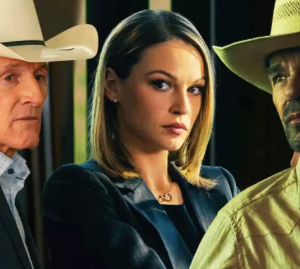
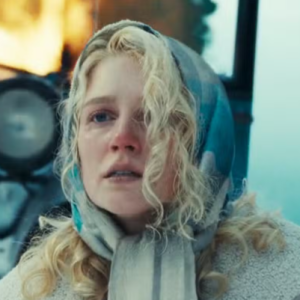
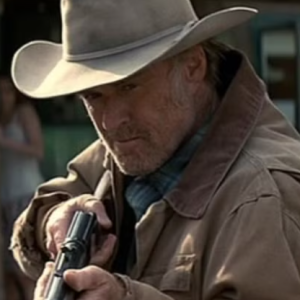
The fervor among Yellowstone devotees has reached a new peak with the confirmed news that Kelly Reilly and Cole Hauser are set to reprise their iconic roles as Beth Dutton and Rip Wheeler in a highly anticipated spinoff. This revelation signals a pivotal shift, steering the narrative away from a direct continuation of the original series with a Yellowstone season 6, and instead forging a fresh path that promises to redeem past failures and redefine the enduring Dutton legacy. The working title for this new venture, “Dutton Ranch,” serves as the most potent indicator of its central theme, suggesting a profound re-evaluation of what it means to carry the family name and its formidable land.
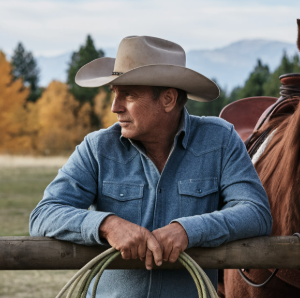
While John Dutton’s sprawling property was famously known as the Yellowstone Dutton Ranch, often colloquially shortened to “The Yellowstone” or simply “Dutton Ranch,” the deliberate choice to drop the “Yellowstone” moniker for the spinoff is deeply symbolic. It hints at a departure from the constant, often violent, territorial battles and the endless political maneuvering that characterized John’s tenure. John Dutton, the patriarch, was undeniably a formidable figure, driven by an unyielding desire to protect his family’s land at all costs. However, his methods, deeply rooted in tradition and an aversion to change, ultimately proved unsustainable in the face of a rapidly modernizing world. His fierce refusal to adapt and innovate left the ranch perpetually teetering on the brink of financial ruin, unable to generate substantial profit from its vast cattle operations. This stubborn adherence to archaic practices forced his children, particularly Kayce, into untenable positions, culminating in Kayce’s poignant decision to relinquish a significant portion of the ranch back to the Broken Rock Tribe – an act that, while perhaps a spiritual return to Indigenous stewardship, was also a stark testament to the Duttons’ failure to maintain economic viability through conventional means. John’s legacy, though marked by fierce loyalty and land preservation, was simultaneously shadowed by an inability to evolve, leaving his heirs without a feasible path to truly carry on the ranching enterprise as a profitable, self-sustaining entity.
This is where Beth Dutton, John’s fiery and brilliant daughter, steps into the spotlight as the improbable savior. Despite her initial disdain for the ranching lifestyle and her highly successful career in high finance, Beth possesses precisely the kind of strategic mind and ruthless business acumen that John lacked. Yellowstone season 5 meticulously laid the groundwork for this paradigm shift, subtly foreshadowing Beth’s potential to rectify her father’s shortcomings. In a crucial scene, Beth confronts John about the ranch’s chronic financial struggles, questioning why a steak commands such a high profit while ranchers, who put in the arduous work of raising the cattle, see so little of the yield. John’s explanation – that ranchers sell the cattle, not the meat, due to the control exerted by repackers – immediately sparks a solution in Beth’s incisive mind. She recognizes that the bottleneck lies in the lack of vertical integration, an age-old business strategy that John, trapped in his traditional mindset, never considered or pursued.
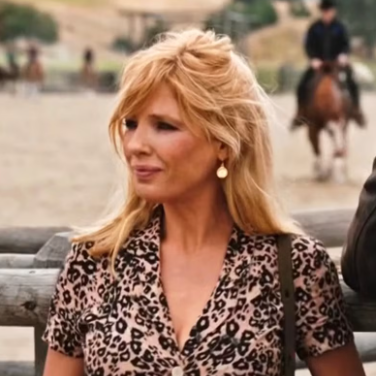
Beth’s immediate instinct is to dismantle the very system that prevents family ranches like theirs from profiting justly from their labor. Her vision involves bypassing the intermediaries, the “repackers,” and creating a vertically integrated business model where the Dutton Ranch controls not just the raising of cattle but also the processing, distribution, and perhaps even the direct sale of the meat. This shift from merely selling livestock to selling a finished product represents a radical departure from John’s generational practices, offering a pathway to significantly increased profitability and self-sufficiency. Beth’s track record at Schwartz & Meyer, where she consistently brokered multi-million dollar deals and demonstrated an unparalleled understanding of complex financial structures, positions her uniquely to transform the struggling ranch into a modern, profitable enterprise. She possesses the intellectual capital and the aggressive drive necessary to navigate the intricate world of supply chains, logistics, and market penetration, areas where John’s traditional ranching knowledge offered no guidance.
Crucially, Beth will not embark on this transformative journey alone. Rip Wheeler, the steadfast, loyal ranch foreman and Beth’s husband, represents the indispensable bridge between the old ways and the new. While Rip embodies the rugged, traditional cowboy ethos that John Dutton held so dear, his unwavering devotion to Beth makes him far more amenable to her innovative, business-centric ideas than John ever was. Rip’s practical knowledge of ranch operations, his deep understanding of the land, and his unparalleled skill in managing the livestock are essential components of Beth’s grand design. He will carry on the physical demands of the ranching legacy, ensuring the cattle are raised to the highest standards, while Beth focuses on the strategic and financial superstructure. Together, they form a formidable partnership: the practical, grounded rancher and the sharp, visionary financier, poised to redefine the Dutton legacy. This synergy suggests a future where the ranch is not only a symbol of heritage but also a thriving, economically viable business, ensuring its survival for generations to come.
The decision to settle in a new ranch outside Dillon, Montana, as shown in the Yellowstone season 5 finale, further underscores the theme of a fresh start. This physical relocation, away from the specific, conflict-ridden geographical locus of the original Yellowstone Dutton Ranch, metaphorically represents a strategic retreat and a regrouping. It allows Beth and Rip to build something anew, free from the lingering pressures and inherited feuds that constantly plagued John’s efforts to protect his land. The title “Dutton Ranch” confirms that their future remains deeply intertwined with the cowboy’s dream and the fundamental identity of the Dutton family as ranchers, but it signals a new era – one defined by adaptation, innovation, and perhaps, a more peaceful, sustainable approach to legacy preservation.
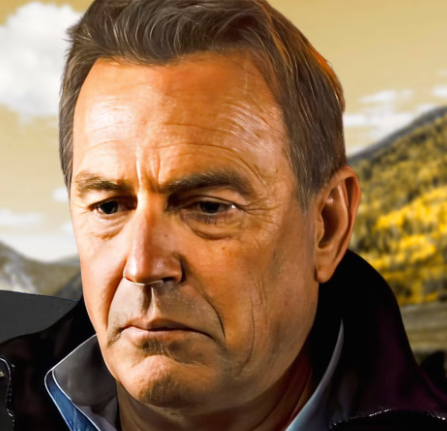
Ultimately, the Beth and Rip spinoff holds the promise of achieving what John Dutton, for all his dedication, could not: a financially secure and enduring future for the Dutton ranching empire. By leveraging Beth’s unparalleled business acumen and Rip’s steadfast loyalty and ranching expertise, they stand poised to transform the ranch from a constant battleground for survival into a model of modern, profitable agriculture. This new chapter is not merely about preserving land; it’s about reinventing the very concept of the Dutton legacy, ensuring that the spirit of the American West, epitomized by the family, can thrive not just through brute force and tradition, but through strategic intelligence and adaptive vision. If Beth can successfully apply her financial genius to the core business of the ranch, she will not only redeem her father’s failures but also forge a vibrant, sustainable future for the Dutton name, proving that the old West can, indeed, learn new tricks.