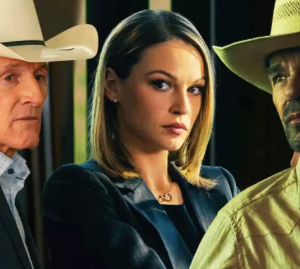
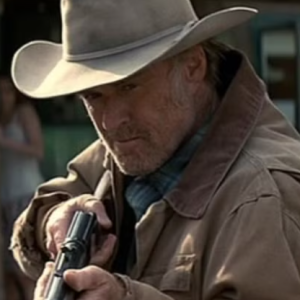
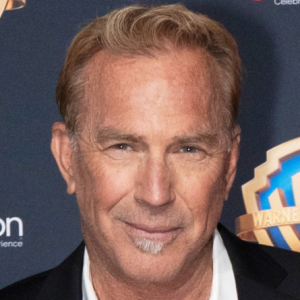
As the flagship Yellowstone series prepares for its highly anticipated conclusion, the vast, sprawling saga of the Dutton family is poised to continue through an ambitious slate of spin-offs. Among these, a project reportedly centered on the fan-favorite characters Beth Dutton and Rip Wheeler holds particular significance, carrying the immense weight of succeeding the original show. However, as anticipation builds, a pressing question looms over the future of this beloved couple: will Beth Dutton, the fiercely protective and uncompromising daughter of John Dutton, escape a grim fate that has tragically befallen other leading female protagonists in Taylor Sheridan’s expansive Yellowstone universe?
Taylor Sheridan, the prolific creator behind the franchise, has established a distinctive and often brutal narrative signature. His storytelling frequently embraces harsh realities, underscoring themes of sacrifice, survival, and the unforgiving nature of the American frontier. A recurring, and increasingly concerning, element of this style, particularly evident in the Yellowstone prequels, is the tragic demise of their courageous and determined female leads. This pattern, while undeniably impactful and dramatically potent, raises genuine apprehension among viewers about the trajectory of the upcoming Beth and Rip series.
Consider the foundational prequel, 1883. Its heart and soul was Elsa Dutton, beautifully portrayed by Isabel May. Elsa served as the series’ narrator, her journey from an innocent, hopeful young woman to a hardened, resilient pioneer forming the emotional core of the narrative. Her spirited embrace of the untamed West, her passionate romances, and her unwavering loyalty made her an unforgettable character. Yet, her story culminates in a profoundly sad, inevitable death from an arrow wound, her final resting place marking the very land that would become the Yellowstone Dutton Ranch. This sacrifice, though pivotal to the franchise’s origin story, left an indelible mark of tragedy, demonstrating Sheridan’s willingness to inflict severe consequences upon even his most cherished characters for the sake of historical authenticity and narrative weight. The audience, despite their deep connection to Elsa, was forced to confront the harsh reality that not all heroes, especially in the perilous landscape of the 19th-century frontier, are guaranteed a happy ending.
The pattern chillingly reemerges in 1923, the next chapter in the Dutton family’s history. Here, Alexandra “Alex” Dutton, brought to life by Julia Schlaepfer, embodies a spirit of adventure and defiance against societal norms, serving as a vital counterpart and eventual wife to Spencer Dutton. Her journey across continents, escaping a stifling aristocratic life to embrace the rugged individualism of the American West, captures the very essence of the Dutton spirit. Alex is a character brimming with life, intelligence, and an unwavering commitment to her chosen path. However, despite her vibrant presence and fierce will, 1923 concludes with Alex’s fate hanging precariously in the balance, separated from Spencer and seemingly destined for an uncertain, potentially tragic end. While her death hasn’t been explicitly shown, the circumstances of her separation and banishment from the ship, along with Sheridan’s established track record, create a palpable sense of foreboding that mirrors Elsa’s untimely demise. This repeated narrative choice reinforces the idea that in Sheridan’s world, the cost of forging a legacy, particularly for women operating within unforgiving landscapes, is often extraordinarily high.
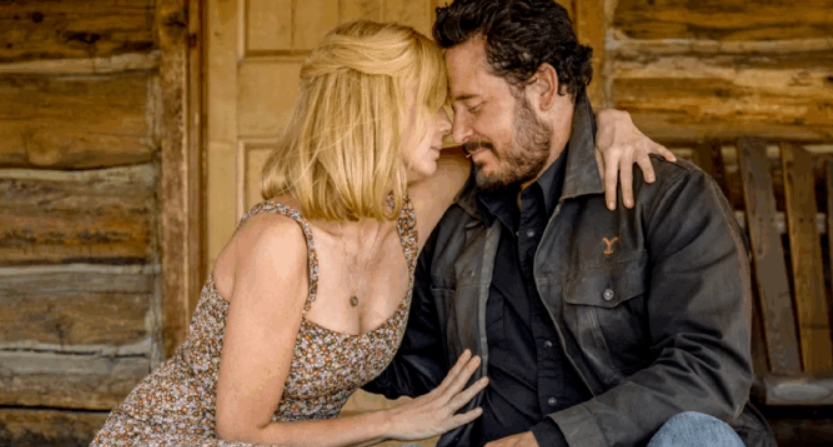
These precedents inevitably cast a long shadow over Beth Dutton’s future. Beth, played with unparalleled intensity by Kelly Reilly, is arguably the most complex and compelling character in the original Yellowstone series. She is a woman forged in fire, a brilliant but volatile force of nature whose unwavering devotion to her father and the ranch is matched only by her capacity for vengeance against anyone who threatens them. Her tumultuous relationship with Rip Wheeler (Cole Hauser) provides a raw, passionate, and deeply human counterpoint to the relentless struggle for power and survival that defines the series. Their bond, built on shared history, mutual respect, and an undeniable, visceral love, has become an emotional bedrock for many viewers. Beth is not merely a supporting character; she is a central pillar of the Yellowstone narrative, indispensable to its tension, its drama, and its moments of profound vulnerability.
The prospect of Beth Dutton meeting a tragic end, mirroring the fates of Elsa and Alex, would undoubtedly be a profoundly polarizing decision for Sheridan. Unlike the prequel characters, whose stories were designed to have a finite, impactful arc leading to the establishment of the ranch, Beth has been a constant presence for five seasons, evolving and deepening with each episode. Viewers have invested years in her complex psychological landscape, her battles, and her hard-won moments of happiness with Rip. Killing off such a deeply entrenched and beloved character would not only be a devastating emotional blow to the audience but could also fundamentally alter the perceived essence of the modern-day Yellowstone universe.

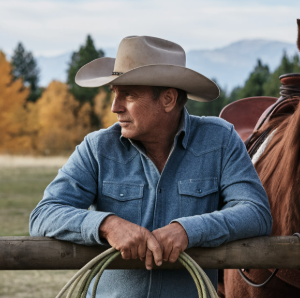
The Beth and Rip spinoff faces the unenviable task of filling the void left by Kevin Costner’s departure and the original series’ conclusion. Reilly and Hauser’s characters are, by far, the most prominent and popular figures remaining in the present-day timeline, carrying the torch of the Dutton legacy. Their story is expected to provide the most direct continuation of the flagship series’ “DNA.” If Sheridan were to repeat his established pattern and kill Beth, it would send a strong, perhaps disheartening, message about the ultimate destiny of women within the Yellowstone narrative. It would imply that regardless of strength, cunning, or love, tragedy is an unavoidable, cyclical force for the Dutton women.
However, there is also the possibility that Sheridan, known for his ability to subvert expectations, might choose to break this trend. The sheer audience investment in Beth and Rip, coupled with the need for the spinoff to thrive as a successor rather than a mournful epilogue, could necessitate a different narrative approach. Perhaps the “downfall” Beth experiences won’t be death, but a different form of profound loss or sacrifice that reshapes her life without ending it. This could involve the ultimate dissolution of the ranch, a forced exile, or a life-altering event that forces Beth and Rip to forge a new path entirely. Such a choice would not diminish Sheridan’s commitment to dramatic realism but would instead showcase his evolution as a storyteller, proving that even in a world defined by harsh realities, there can be pathways to survival, adaptation, and perhaps, a form of hard-won peace for his most enduring characters.
Ultimately, the future of Beth Dutton in her own dedicated spinoff remains a tantalizing mystery, laden with both promise and trepidation. Will Taylor Sheridan adhere to the tragic narrative thread he has woven through his prequels, solidifying a cyclical pattern of female sacrifice within the Dutton saga? Or will he, for the sake of his most popular and compelling modern-day characters, craft a new destiny for Beth, one that defies the established trend and offers a glimmer of hope for a future where love and resilience might, against all odds, triumph over the relentless demands of the Yellowstone landscape? The answers will undoubtedly shape not only the immediate future of the franchise but also its enduring legacy in the annals of television drama.