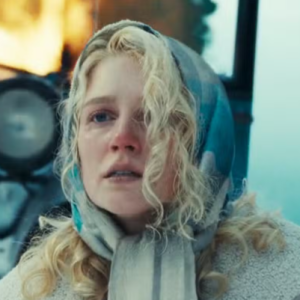
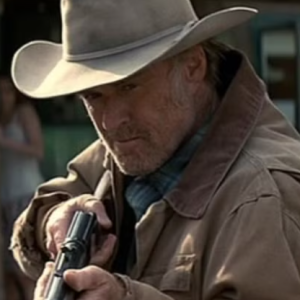
In the vast, unforgiving landscape of the American West, where tradition clashes with modernity and survival hinges on grit, a single, late-night truck cabin becomes the crucible for a young man’s future. On Paramount Network’s critically acclaimed series “Yellowstone,” few moments resonate with as much stark, transformative power as the seemingly casual, yet profoundly impactful, exchange between seasoned horseman Travis Wheatley and the ever-evolving ranch hand, Jimmy Hurdstrom. Titled “Travis Offers Jimmy Advice,” this pivotal scene transcends mere dialogue, laying bare the soul of cowboying and setting Jimmy on an irreversible path towards either redemption or ruin at the legendary Four Sixes Ranch.
The scene opens with a familiar dynamic of authority and submission, subtly etched into the fabric of their long haul. “You want me to drive?” Jimmy’s scoff carries a hint of disbelief, a challenge easily dismissed by Travis’s unyielding retort: “I drive.” It’s not just a statement of personal preference, but an assertion of responsibility that weighs heavily on the miles passing beneath their wheels. Travis, ever the pragmatic master of his domain, quantifies the burden: “$125,000 dollar truck pullin’ a $1,000,000 dollars worth of horses, in a $150,000 dollar trailer, I drive.” This isn’t just about the monetary value; it’s about the living, breathing cargo, the precious equine athletes whose fates are in his hands. This early exchange immediately establishes Travis as a figure of immense competence and unshakeable will, a man who carries the weight of the ranch on his shoulders, both literally and metaphorically.
Jimmy, perpetually searching for his footing in a world that consistently tests his limits, attempts a lighthearted jab, “Just thought you might be tired.” But weariness is a luxury Travis cannot afford, a weakness he scoffs at with a world-weary cowboy’s axiom: “Buddy, I’ll get all the sleep I need when I’m dead.” This philosophy, born from endless days and nights on the road, from breaking horses and chasing dreams, embodies the relentless spirit of the Western lifestyle. It’s a life lived hard, with no quarter given, and no respite until the final curtain falls.
The tension momentarily breaks with a characteristic “Yellowstone” touch – a pop culture reference that grounds the hardened cowboy in a relatable, if eccentric, humanity. Travis’s fervent declaration that “Road House” is the “best movie ever fuckin’ made, ever!” offers a fleeting glimpse into his personal passions, his unadulterated enthusiasm a stark contrast to his usual stoicism. His yearning to be “Sam Elliott, with Patrick Swayze’s hair” and his wish for the mullet’s return adds a layer of unexpected humor and depth, reminding viewers that even the toughest cowboys have their idiosyncratic desires. Yet, this brief detour quickly pivots back to the immediate and pressing matter of Jimmy’s future.
Travis’s gaze shifts, critical and unflinching, landing on Jimmy’s unkempt appearance. “Speakin’ of hair, next truck stop we find, you need to shave all this shit off. You look fuckin’ homeless. And they will not stand for that in West Texas.” This seemingly trivial instruction is anything but. It’s a direct command to conform, to shed the last vestiges of his old, chaotic life and embrace the stringent discipline of the Four Sixes. Jimmy’s meek defense, “Girlfriend likes it,” is met with Travis’s brutal, dismissive truth: “Your girlfriend’s a fuckin’ idiot.” This line, delivered with characteristic bluntness, not only undermines Jimmy’s romantic attachment but also subtly highlights a larger theme: in the world of true cowboying, personal comforts and outside influences must yield to the demands of the lifestyle.
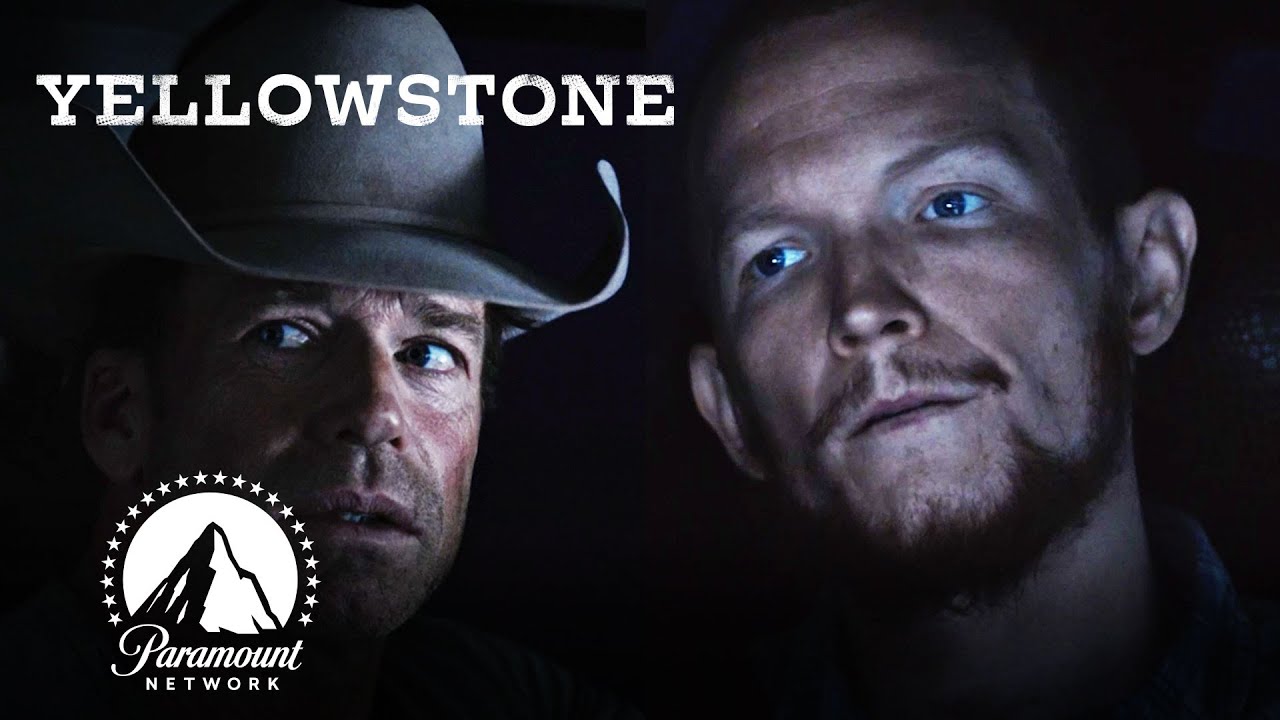
The conversation then delves into Jimmy’s past, circling back to his ill-fated rodeo career. “So you like to rodeo, huh?” Travis probes, knowing full well the physical toll it took. Jimmy, with a sigh of resignation, admits, “That’s kinda the only thing I was ever any good at.” This admission, raw and vulnerable, is immediately countered by Travis’s sarcastic, yet painfully accurate, assessment of his injuries: “Wasn’t any fuckin’ good at rodeo. Fuckin’ neck broke, back broke, everything all fucked up!” The laughter that follows is not cruel, but the dark humor of someone who understands the brutal consequences of the arena.
This leads to the crucial question: “So, why do you do it?” Jimmy’s response is a window into his deepest insecurities and desires for validation: “I don’t know, I like the… I like the lights, I like the crowd, I like the… They fuckin’ like me.” He reveals his motivation is external, driven by the fleeting applause and the temporary feeling of acceptance. When asked about the horses themselves, his answer is even more telling: “It’s kinda more like facing a fear. Too fuckin’ scared of ’em to like ’em.” This stark confession reveals the fundamental flaw in Jimmy’s approach to the rodeo – a disconnect from the very animals that were his partners. He’s driven by ego and fear, not by a genuine bond.
It is at this critical juncture that Travis delivers the profound wisdom that will define Jimmy’s journey and, indeed, the very essence of “Yellowstone”‘s cowboy ethos. “Let me tell you somethin’, Jimmy. To be any good at this game, all right? Ranchin’, rodeo, show horses… You gotta do it for the horse, all right?” This is the core tenet, the unvarnished truth passed down through generations. It’s not about glory, or crowds, or even overcoming personal fear; it’s about a selfless devotion to the animal.
Travis’s words gain a prophetic weight as he continues, “And where you’re goin’, a horse is gonna be your only fuckin’ friend, and you two are gonna have to figure it the fuck out.” This foreshadowing of the isolation and rigorous demands of the Four Sixes Ranch is chilling. It paints a picture of a place where external validation fades, and success hinges entirely on the symbiotic relationship between man and horse. “And that’s all cowboyin’ is, all right? It’s you and a horse doin’ a job, tryin’ like hell to not let the other down.” This simple yet powerful definition strips away all pretense, revealing cowboying as a sacred trust, a partnership built on mutual respect and unrelenting effort. It’s about shared responsibility, loyalty, and the tireless pursuit of a common goal.
The weight of Travis’s words culminates in a dramatic pronouncement, a stark prediction that hangs heavy in the air: “And I’ll say this. When the Sixes is done with you, you will either spend the rest of your life horseback, or you will never get on another one.” This is not merely advice; it’s a gauntlet thrown down, a challenge that promises either complete transformation or utter defeat. The Four Sixes, a legendary ranch synonymous with true cowboy grit, is presented as a crucible. Jimmy will emerge from it a profoundly changed man, either fully embracing the life of a horseman or forever abandoning it. There is no middle ground, no lukewarm compromise.
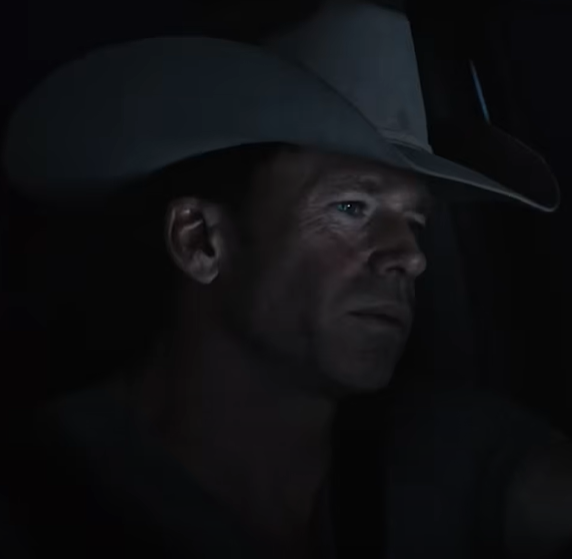
As soft, somber music swells, Travis offers a final, almost tender, piece of counsel, laced with an undeniable undercurrent of foreboding: “Get some rest, Jimmy. You are gonna fuckin’ need it.” The dramatic sting that follows serves as a powerful punctuation mark, emphasizing the gravity of the conversation and the monumental journey that awaits Jimmy. This scene is a masterclass in character development and world-building, encapsulating the harsh realities and profound beauty of the “Yellowstone” universe. It solidifies Travis as an unlikely, yet essential, mentor, and sets the stage for Jimmy’s ultimate reckoning, promising a transformation that will resonate deeply within the Dutton saga and beyond. For fans, it’s a stark reminder that in the West, destiny is not found, but forged – one horse, one ride, one grueling lesson at a time.