The venerable BBC medical drama Casualty is embarking on a significant period of transformation, marked by both a high-profile casting addition and a fundamental shift in its in-universe setting. Long-time viewers and soap enthusiasts alike are buzzing with the news that veteran actor Michael Starke, celebrated for his iconic roles in Brookside and Coronation Street, is set to make a guest appearance, even as the show prepares to transplant its fictional hospital from the familiar West Country to a new Welsh location. These developments signal a strategic move by the BBC to refresh one of its most enduring and beloved programmes.
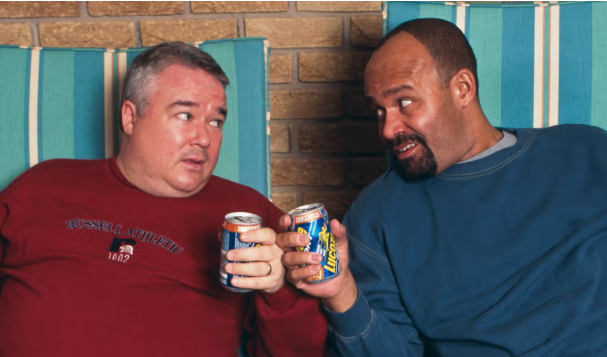
Michael Starke, instantly recognisable to a generation of soap fans as the lovable, down-on-his-luck window cleaner Thomas ‘Sinbad’ Sweeney from Channel 4’s groundbreaking Brookside, will grace the wards of Holby City Hospital later this year. While the specifics of his new role remain shrouded in mystery, the confirmation comes directly from his management company, which shared an update on social media indicating Starke had “been busy” filming scenes in Cardiff. His appearance marks a significant reunion with the Casualty universe, as Starke previously held guest roles across four episodes between 2000 and 2018, showcasing his versatility and enduring appeal to the show’s casting directors.
Starke’s career has spanned decades since his breakout role as Sinbad, a character originally intended as a brief recurring part who quickly became a fan favourite and a regular fixture on Brookside from 1990 until his departure in 2000, just three years before the Liverpool-set soap concluded its run. His journey continued with a notable stint on ITV’s Coronation Street in 2007, where he portrayed Jerry Morton, albeit for a comparatively shorter period of 18 months. Beyond these major soap roles, Starke has demonstrated his acting range through appearances in other popular dramas, including Doctors, Holby City (the Casualty spin-off), and Hollyoaks, solidifying his status as a familiar and welcome face on British television. His return to Casualty is particularly exciting, as actors with such a rich history across multiple major soaps often bring a unique gravitas and an instant connection with the audience. The anticipation surrounding what kind of character he will portray, and how his storyline might intertwine with the established dynamics of the emergency department, is palpable among fans.
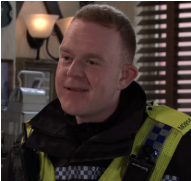
However, Starke’s guest role is just one facet of the sweeping changes poised to redefine Casualty. At the heart of this transformation is a bold decision to relocate the show’s in-universe setting. Since its inception in 1986, Casualty has been set in the fictional West Country city of Holby, with its initial creative and narrative inspirations drawn from Bristol. While filming operations physically shifted to Cardiff, Wales, back in 2011, the on-screen narrative consistently maintained its Holby roots. This month, the BBC announced plans to align the fictional world with its real-world production base, revealing that future episodes will feature a new fictional hospital situated in Wales.
This isn’t merely a cosmetic change; it’s a strategic move with deep narrative and cultural implications. An official document put forth by the BBC, inviting pitches from potential producers for the show’s future, explicitly states, “We are asking tenderers to include authentic representation of Wales and reflect the reality of the Welsh NHS.” This directive underscores a commitment to grounding the long-running drama in a specific cultural and healthcare context, offering new avenues for storytelling that resonate with the realities of healthcare provision in Wales. While the BBC reassures viewers that “This is not about radical change of the show,” the move to Welsh portrayal inherently means a fresh canvas for character development, community engagement, and the exploration of pertinent social and medical issues from a distinctly Welsh perspective. This alignment promises to inject new energy into the series, allowing it to explore unique patient demographics, local challenges, and the specific operational nuances of the Welsh National Health Service, thereby enriching the show’s celebrated realism.
Casualty has earned its place in television history as the world’s longest-running medical drama, a testament to its consistent quality, compelling storylines, and unwavering ability to adapt to changing times and audience expectations. Over nearly four decades, it has masterfully blended high-stakes medical emergencies with deeply personal character arcs, tackling complex social issues with sensitivity and insight. The show has served as a launchpad for numerous actors and has consistently depicted the trials and tribulations of healthcare professionals with a raw honesty that has resonated with millions. Its longevity is built on a foundation of reinvention, from evolving its visual style and narrative pacing to introducing new generations of characters who keep the ensemble fresh.
The decision to relocate and the casting of experienced talent like Michael Starke are symptomatic of Casualty’s ongoing commitment to remaining vibrant and relevant. By embracing a new geographical and cultural identity, the show opens itself up to fresh narrative possibilities, preventing stagnation and ensuring it continues to reflect the diverse landscape of modern Britain. The integration of authentic Welsh elements will not only provide a rich backdrop for drama but also offer a vital platform for showcasing the Welsh NHS, its dedicated staff, and the communities it serves. For viewers, this means a renewed sense of anticipation for what’s to come, as the beloved drama navigates this exciting new chapter.
As Casualty continues to air on Saturday nights on BBC One and now streams first on BBC iPlayer at 6am on the day of transmission, these forthcoming changes are poised to mark a pivotal moment in its illustrious history. The blend of familiar faces like Michael Starke and groundbreaking geographical shifts promises to invigorate the series, setting the stage for a compelling new era that honours its past while boldly stepping into a future rich with dramatic potential.