Hollywood, CA – In the unforgiving landscape of the Dutton Ranch, where the dust settles thick and the stakes are perpetually life-or-death, the hit Paramount Network series “Yellowstone” has captivated audiences with its unflinching portrayal of power, legacy, and survival. While the on-screen drama unfolds with cinematic grandeur, a recent candid conversation among the cast members, aptly titled “Stories From the Bunkhouse (Ep. 1),” pulled back the curtain on the harrowing realities and surprising moments behind the cameras. This exclusive glimpse revealed not only the dedication required to bring Taylor Sheridan’s gritty vision to life but also underscored the show’s relentless commitment to authenticity, often pushing its stars to their very limits.
The “Bunkhouse” discussion served as a fascinating post-mortem, peeling back the layers on some of the series’ most iconic and visceral scenes. From the heart-stopping terror of a rodeo arena to the humbling indignities of ranch initiation, the actors offered raw anecdotes that illuminate the very essence of what makes “Yellowstone” resonate so deeply with its devoted fanbase.
The Perilous Playground of the Dutton Ranch: Cowboy Poker and the Reality of Risk
One of the most talked-about sequences revisited by the cast was the infamous “Cowboy Poker” scene, a brutal test of nerve involving a card table, a brave (or foolhardy) contestant, and a two-thousand-pound bull. Initial reactions to the script among the actors mirrored the audience’s own incredulity: “How are they going to fake that?” The expectation was a mechanical bull, a cleverly disguised stunt. Yet, as the cast revealed, Taylor Sheridan’s vision demanded an unwavering commitment to realism, placing them face-to-face with an actual, enraged animal.
The behind-the-scenes account was chilling. Actors arrived on set to find a live bull, visibly “pissed as hell,” caged and awaiting its moment. The sheer unpredictability and raw power of the beast required an elite team of animal wranglers and stunt performers, hailed by the cast as the “best in the business,” to manage the volatile variables. Recalling the scene, one cast member humorously yet pointedly remarked on the challenge of directing both “us [actors] and the animals.” The sequence where Avery is struck by the bull, while orchestrated for safety, was nonetheless a genuine impact, a testament to the precarious dance between controlled chaos and authentic peril. Her subsequent line, delivered with stoic determination, “I looked in the cowgirl handbook to see if I could cry answers, there was no cryin’,” instantly immortalized the character’s grit and the unwritten code of the Yellowstone ranch. This harrowing sequence, more than just a thrilling spectacle, cemented the show’s reputation for never shying away from the dangerous, brutal realities of the cowboy life, where the line between controlled performance and genuine risk often blurs.
Beyond the Fence: The Price of Invincibility and Rip’s Unyielding Shield
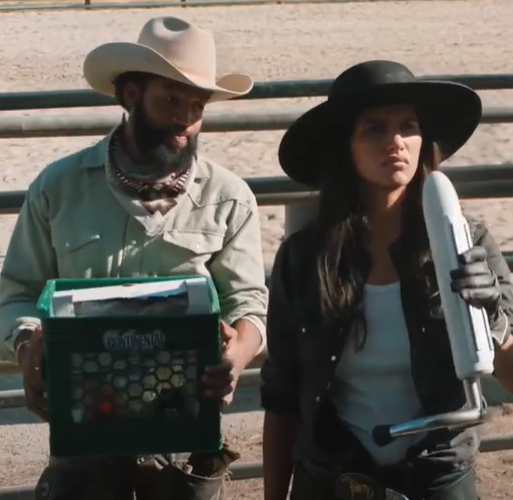
Another pivotal moment dissected in the “Bunkhouse” was the bar brawl involving Jimmy and Avery, a scene that vividly illustrates the Dutton ranch’s pervasive influence and the often-misplaced sense of invincibility it bestows upon its inhabitants. As the actors recounted, being “in the Yellowstone” or “with the Yellowstone” breeds a dangerous overconfidence, a belief that “no one’s gonna mess with us.” This arrogant swagger, born from constant proximity to the formidable power of figures like John Dutton and Rip Wheeler, leads Jimmy and Avery to “get a little too big for our britches,” venturing into a bar and quickly finding themselves embroiled in a confrontation they are ill-equipped to handle.
The ensuing chaos serves as a brutal reality check, puncturing their youthful hubris. It’s a stark reminder that outside the protective embrace of the ranch, the rules of engagement are different, and vulnerability is ever-present. The dramatic resolution, of course, arrives with the stoic, menacing presence of Rip Wheeler. As the ultimate enforcer and unwavering protector of the Dutton brand, Rip’s arrival instantly shifts the dynamic, transforming a dire situation into a swift, brutal lesson for the aggressors. The cast members acknowledged the truth: “if we were there with Rip, I wouldn’t touch [them].” This sequence powerfully underscores not only Rip’s indispensable role as the ranch’s steadfast shield but also the inherent loyalty and formidable power that emanates from the Yellowstone, even if its younger members occasionally forget the source of their perceived untouchability.
The Unglamorous Grit: “Low Man” and the Baptism by Fire
The journey of transformation on the Yellowstone Ranch is rarely glamorous, often involving arduous labor and deeply humbling experiences. The cast delved into the concept of “low man,” a moniker for the newest or least experienced ranch hand perpetually tasked with the “crappiest, most disgusting, foulest, hardest work.” This isn’t just about chores; it’s a rigorous, often humiliating, initiation. The prime example, much to the cast’s shared amusement and empathy, was Jimmy’s infamous “third base” scene – assisting in the artificial insemination of a cow.
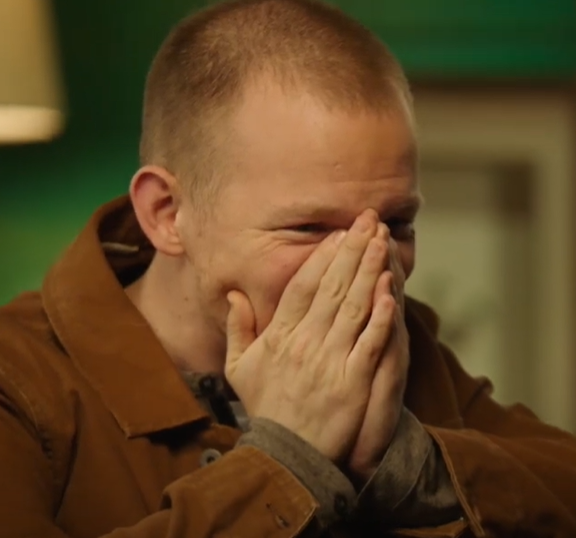
Once again, the actors’ initial disbelief (“I wonder how they’ll fake that?”) quickly gave way to the gritty reality: there was no faking it. The scene was as real as the distressed bovine involved, and as awkward as Jimmy’s fumbling attempts. This particular moment became a magnet for on-set jokes and playful jabs, with everyone from Lloyd to John Dutton himself having a witty comeback ready. The actor portraying Jimmy recounted the challenge of maintaining composure and delivering lines while literally elbow-deep in the task, making “comebacks hard from this position.” Yet, beyond the humor and discomfort, this scene embodies the very essence of “Yellowstone”‘s authenticity. It highlights that true cowboy life isn’t just about riding horses and chasing cattle; it’s about embracing every aspect of the ranch, no matter how unglamorous or physically challenging. The “low man” isn’t merely a job title; it’s a “state of mind,” a necessary passage through humility and hardship that shapes characters like Jimmy into the resilient, albeit often battered, individuals capable of surviving the Dutton world.
A Relentless Ascent: The Escalation of Stakes and Storytelling
Perhaps the most compelling insight shared during the “Bunkhouse” discussion revolved around the relentless escalation of stakes and narrative complexity that defines “Yellowstone.” The cast marveled at how Taylor Sheridan’s scripts consistently push the boundaries, transcending the already high-octane drama of initial seasons. What began with intense gunfights and explosions soon morphed into increasingly improbable and grand-scale scenarios, leaving even the actors in awe.
They recounted receiving scripts that would begin with a deceptively simple page one, only to reveal “the charred wreckage of a building” or “six helicopters fly in a tight formation over the Empire State Building.” This constant upward trajectory of dramatic tension and cinematic ambition creates a unique reading experience for the actors, who approach each new script with a mix of anticipation and trepidation, wondering “how high you can go” and how Sheridan will top himself next. This narrative strategy is a cornerstone of “Yellowstone”‘s gripping appeal. It ensures that the audience, much like the cast, is perpetually kept on the edge of their seats, never quite knowing what shocking twist or epic confrontation awaits. It’s a testament to the show’s bold storytelling, proving that in the world of the Duttons, the only constant is the escalating stakes, ensuring the drama remains as untamed and unpredictable as the Montana wilderness itself.
The Enduring Allure of “Yellowstone”
The “Stories From the Bunkhouse” provided a rare, unvarnished look into the creation of a television phenomenon. It reaffirmed that “Yellowstone”‘s compelling narrative isn’t merely a product of its epic landscapes and compelling characters, but also of a production that demands unwavering commitment from its cast and crew. From the visceral danger of live animal work to the humbling portrayals of ranch life’s less glamorous aspects, and the relentless escalation of its dramatic stakes, “Yellowstone” continues to solidify its place as a groundbreaking series. It’s a show that isn’t afraid to get dirty, to challenge its actors, and to shock its audience, cementing its status as a cornerstone of modern entertainment and leaving fans eagerly anticipating every new, breathtaking chapter of the Dutton saga.