The long-running medical drama Casualty is on the cusp of a profound transformation, poised to redefine its narrative structure, character dynamics, and overall direction. Following an intensely emotional and often challenging period for the beloved BBC series, John Sen, the new executive producer, has unveiled ambitious plans designed to breathe fresh life into the programme and secure its future in a highly competitive television landscape. These strategic changes encompass a pioneering mini-season format, the bittersweet departure of two deeply entrenched characters, and the anticipated arrival of a new cohort of medical professionals set to populate the bustling Holby City Emergency Department. This strategic overhaul signals a deliberate move towards more focused storytelling and a renewed emphasis on character-driven arcs, promising an exciting yet potentially challenging period for both the production team and its loyal fanbase.
The End of an Era: Bidding Farewell to Ethan Hardy and David Hyde
Perhaps the most immediately impactful news stemming from Sen’s vision is the confirmed departure of two pivotal characters who have become synonymous with Casualty’s recent history: Dr. Ethan Hardy, portrayed by George Rainsford, and Nurse David Hyde, brought to life by Jason Derr. Their exits mark a significant turning point, leaving an undeniable void in the fabric of the Holby City ED, both in terms of narrative weight and emotional resonance.

Ethan Hardy, introduced to viewers in 2014, quickly evolved from a somewhat awkward and conscientious junior doctor into one of the series’ most complex and beloved figures. His journey was marked by significant personal and professional trials, including his struggles with inherited cardiomyopathy, the devastating loss of his brother Cal, and his intricate relationships with characters like Alicia Munroe and Fenisha Khatri. Ethan’s character arc consistently explored themes of resilience, grief, and the challenging ethical dilemmas faced by medical professionals. His portrayal of a doctor striving for excellence while grappling with profound personal vulnerability resonated deeply with audiences, making his departure a particularly poignant moment.
Equally impactful is the exit of David Hyde, whose tenure on Casualty dates back to 2006, albeit with an initial break before his return in 2016. Jason Derr’s nuanced portrayal of David, particularly his meticulous exploration of mental health issues and his involvement in highly sensitive storylines such as the school shooting, earned critical acclaim and cemented his status as a fan favourite. David’s quiet strength, his unwavering empathy towards patients, and his personal battles with mental illness provided a vital perspective within the ED, highlighting the often-overlooked struggles faced by healthcare workers themselves. His quiet dignity and often understated presence provided a grounding force amidst the daily chaos of the emergency room. The loss of both Rainsford and Derr, actors who have skillfully navigated their characters through a decade of dramatic intensity and emotional depth, represents a significant challenge for the show, necessitating thoughtful and compelling new narratives to fill the vacuum they leave behind.
Introducing New Faces: A Fresh Pulse for Holby
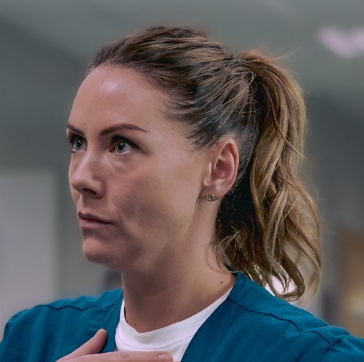
While the departure of long-standing characters inevitably brings a sense of loss, John Sen’s plans also incorporate a crucial element of renewal: the introduction of new nurses to the ED team. This influx of fresh talent is not merely a replacement strategy but an opportunity to inject new perspectives, storylines, and energy into the series. Long-running dramas like Casualty thrive on a cyclical process of character evolution, arrival, and departure, ensuring the narrative remains dynamic and relevant.
The success of these new characters will hinge critically on their development and the immediate connection they forge with the audience. Historically, Casualty has demonstrated a remarkable ability to introduce newcomers who swiftly become fan favourites, much like Ethan and David themselves were once new faces in Holby. The challenge lies in crafting individuals with compelling backstories, distinct personalities, and engaging relationships that can quickly embed them within the established ED hierarchy and resonate with viewers. If the new additions can capture the intricate blend of vulnerability, professionalism, and personal struggle that made their predecessors so captivating, they hold the potential to redefine the show’s emotional core and continue its legacy of impactful storytelling. Their integration into the existing ensemble, and the organic development of their professional and personal lives, will be key indicators of this new era’s success.
Revolutionizing Storytelling: The Mini-Season Approach
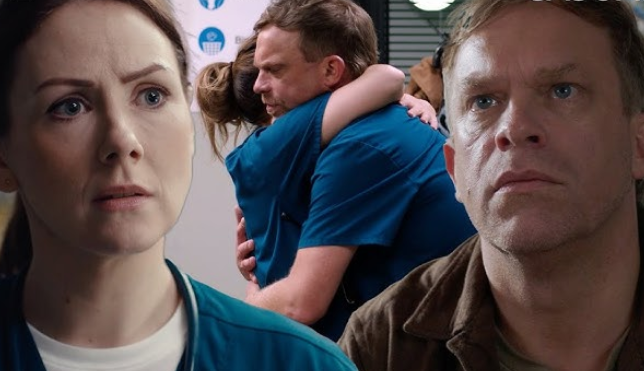
Perhaps the most radical and strategically significant change proposed by John Sen is the adoption of a mini-season format. This innovative structure will see upcoming series divided into shorter, self-contained arcs, each comprising approximately 12 episodes and focusing on a specific storyline or character-driven plot. This departure from the traditional long-form, year-long narrative of 30-40 episodes is designed to enhance narrative intensity and allow for deeper, more focused exploration of complex themes.
The immediate example cited for this new format is a mini-season centered around Dylan Keogh, delving into a sensitive and emotionally charged child abuse situation. This focused approach means that storylines can be developed with greater precision and emotional depth, avoiding the need to stretch plots over an entire year, which can sometimes lead to pacing issues or diluted impact. By concentrating the narrative on specific characters and their immediate struggles within these shorter arcs, the mini-season format promises to deliver more gripping and cohesive storytelling. It allows for a heightened sense of urgency and resolution within each ‘chapter,’ while also providing opportunities for characters to grow and evolve significantly over a more concentrated period.
This shift promises a more dynamic viewing experience, with multiple distinct narrative peaks throughout the year, rather than a single, extended overarching plot. It offers the flexibility to explore a broader range of medical, social, and personal issues with the necessary intensity and nuance they deserve. While a bold move, Casualty has, in fact, experimented with similar ‘mini-arcs’ in the past, most notably during Series 25. That previous success indicates that the format is not entirely uncharted territory for the show and, if executed with the same compelling storytelling and character development, could very well usher in a period of renewed critical and popular success.
Dylan Keogh: A New Cornerstone
The choice to anchor the inaugural mini-season around Dylan Keogh (played by William Beck) is a strategic and fitting one. Dylan, a character whose tenure stretches back to 2011, has long been a fan favourite, known for his acerbic wit, cynical exterior, and deeply compassionate heart. His complex character arc has seen him battle personal demons, form unexpected bonds, and consistently demonstrate a profound commitment to his patients, often revealing a hidden vulnerability beneath his gruff exterior.
Entrusting him with a storyline as emotionally heavy as a child abuse investigation speaks to the character’s depth and the actor’s proven ability to convey profound emotional complexity. Such a topic demands a sensitive, nuanced, and sustained approach, which the mini-season format is perfectly equipped to provide. Focusing on Dylan allows the show to leverage an established, well-loved character to guide viewers through a challenging narrative, ensuring emotional investment and amplifying the story’s impact. It positions Dylan as a central figure in this new era, highlighting his continued relevance and capacity to carry major storylines.
The Broader Implications for Casualty’s Future
These sweeping changes represent a deliberate and calculated effort to future-proof Casualty. In an era of streaming services and diverse narrative formats, traditional long-running dramas must evolve to maintain their relevance and audience engagement. The mini-season approach could prove to be a powerful tool for attracting new viewers who might be intimidated by the sheer volume of episodes in a conventional series, while simultaneously reinvigorating the experience for long-time fans.
By allowing for more concentrated storylines and potentially higher production values per episode, the show can focus its resources on delivering peak dramatic impact. The strategic management of character departures and arrivals is also crucial for sustaining the narrative energy of such a long-running show, ensuring that fresh blood continually challenges and interacts with the established cast.
Ultimately, John Sen’s vision for Casualty signals a period of bold experimentation and strategic realignment. While the departure of beloved characters will undoubtedly be felt, the promise of more focused, intense storytelling through the mini-season format, coupled with the introduction of fresh faces, suggests an exciting and revitalized future for the Holby City ED. The changes are designed not just to keep the show on air, but to allow it to thrive, pushing creative boundaries while staying true to the core values that have made Casualty a staple of British television for decades: an unwavering commitment to powerful, human stories set against the backdrop of life and death in a busy emergency department. The coming seasons will be a testament to whether this ambitious transformation can successfully marry legacy with innovation, securing Casualty’s place as a cornerstone of medical drama for years to come.