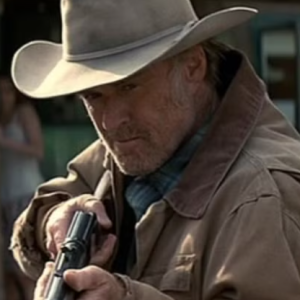
In the sprawling, sun-baked canvas of the American West, where survival is the only law and the land itself is a crucible, Taylor Sheridan’s *1883* carved out a visceral, emotionally shattering prequel to the *Yellowstone* saga. A runaway success for Paramount+, the series plunged viewers into the harrowing journey of the Dutton family and their companions, embarking on a perilous westward expansion. More than just a historical drama, *1883* became a meditation on trauma, love, loss, and the relentless human spirit, captivating millions with its brutal authenticity and profound character arcs. Today, we delve into the “most-watched moments” – pivotal scenes that not only defined the series but seared themselves into the collective consciousness of its audience, revealing the true cost of chasing a dream across an unforgiving frontier.
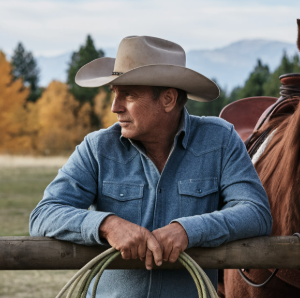
From its very first frames, *1883* establishes a tone steeped in the unspoken scars of a recent past. We are introduced to the quiet, haunted intensity of James Dutton (Tim McGraw), a man whose very being is shaped by the Civil War. A poignant, almost whispered moment reveals the depth of his father’s post-war trauma: “My father won’t speak of the war. When men ask if he fought, he says no… He spent three years in a Union prison. When he came home, my mother said he weighed 97 pounds.” This haunting exposition immediately grounds the narrative in a raw, historical reality, echoing the silent suffering of a generation. It’s a moment that sets the stage for James’s own quiet strength and the stoic burden he carries, hinting at the profound, generational trauma that will define the Dutton lineage. It’s not just a journey west; it’s an escape from the ghosts of the past, even as new ones are forged.
The brutal education of the wagon train is perhaps where *1883* truly asserts its uncompromising vision. Led by the gruff, world-weary Pinkerton agent Shea Brennan (Sam Elliott) and the steadfast former Buffalo Soldier Thomas (LaMonica Garrett), the German immigrants they guide are utterly unprepared for the realities of the plains. A standout sequence, both terrifying and darkly comedic, involves Shea’s stark lessons on survival. Rattlesnakes, poison oak, contaminated water – every natural element poses a mortal threat. “A bite will kill you,” Shea warns of the snakes. Of poison oak and ivy, he states with chilling nonchalance, “It won’t kill you. You’ll just wish you were dead.”
This scene is quintessential *1883* – unflinching realism punctuated by the unique chemistry between Shea and Thomas. The seemingly mundane discussion about a “latrine” escalates into a moment of unexpected levity and character insight. As the immigrants struggle with the concept, Thomas’s deadpan, “It’s French for shitter,” delivered with perfect timing, slices through the tension. When Shea demands to know how Thomas learned such a word, the response, “I used to fuck a girl from France,” elicits a rare, brief chuckle from Shea and solidifies the unspoken, deeply human bond between the two hardened men. It’s a moment that reminds us that even in the face of death, humor and camaraderie are vital for survival, offering a fleeting glimpse of humanity amidst the savagery.
The true ruthlessness of the untamed West, and Shea Brennan’s grim resolve to enforce a semblance of order, is brutally illustrated in the confrontation with the “gypsies.” When a desperate woman attempts to steal supplies, Shea’s justice is swift, uncompromising, and absolutely terrifying. “Get everything that was hers,” he commands, only to be met with defiance. The resulting physical altercation is swift and brutal, a chilling declaration of power from Shea. “When I speak and you don’t do what I say, you get hurt. That’s the pattern here. And it don’t stop til you do what I say. Or you run out of face.” This sequence defines Shea’s character as the ultimate authority on the trail, a man who has witnessed too much suffering to allow chaos. It’s a stark reminder that in this landscape, survival dictated a brutal moral code, and mercy was a luxury rarely afforded.
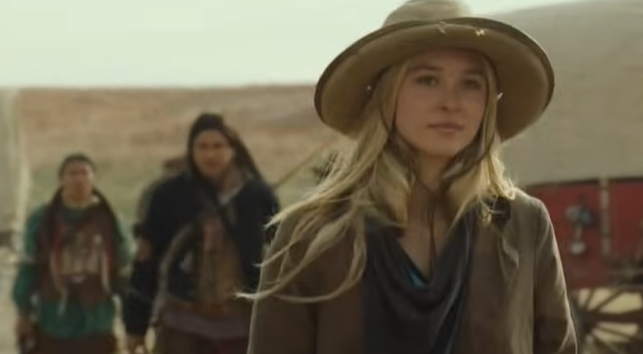
Amidst the constant struggle for survival, a fragile, incandescent romance blossoms, capturing the hearts of millions. The relationship between James and Margaret Dutton’s spirited daughter, Elsa (Isabel May), and the easygoing cowboy Ennis (Eric Nelsen), is a beacon of youthful hope and untamed passion. Their tender connection, born from shared hardship and the freedom of the open range, culminates in a moment of raw, vulnerable commitment. Ennis’s simple question, “If I have a baby, are you man enough to help raise it?” is met with his earnest, hopeful declaration, “Hell yes, I’m man enough. Doubt I’m that lucky though.”
Their blossoming love, however, immediately confronts the fierce protectiveness of James Dutton. The scene where Elsa, brimming with joy, declares, “I’m gonna go tell daddy that we’re getting married,” sets the stage for one of the most agonizing and profoundly moving confrontations of the series. James, a man who has seen too much of life’s cruelty, cannot easily surrender his daughter to such an uncertain future. His silent rage, the palpable tension in his frame, speaks volumes before he even utters a word. Ennis’s defiant stand, “If she loves me… I’m taking it. If you won’t give her to me, I’ll god damn steal her. I swear it,” is a powerful assertion of burgeoning manhood and love.
But it’s James’s heart-wrenching concession that truly elevates this scene to legendary status. His voice thick with emotion, he tells Ennis, “You say you love her. But you won’t ever love her like I do. It’s my heart you’re running off with. You better cradle it like an egg.” This moment, charged with a father’s protective fury melting into a poignant acceptance, perfectly encapsulates the emotional core of *1883*. It’s a testament to the power of love, both romantic and familial, and the ultimate sacrifice a parent makes for their child’s happiness, even if it breaks their own heart.
As Elsa’s journey continues, marked by both joy and unimaginable grief, she undergoes a profound transformation, shedding the innocence of youth for the hardened resilience of the West. Her encounter with Sam (Martin Sensmeier), a Comanche warrior, provides another defining moment in her evolution. Their horse race, a breathtaking display of Elsa’s unbridled spirit and Sam’s stoic mastery, is a testament to the raw freedom of the plains. As Elsa lets go of her reins, becoming one with the horse, Sam recognizes a kindred spirit.
It is in the quiet aftermath of the race that Sam bestows upon her a new name, “Lightning Yellow Hair,” a powerful symbol of her burgeoning identity as a woman of the West. The exchange about names becomes deeply symbolic. When Elsa asks Sam why he chose his name, his answer is chilling and profound: “That was the name of the man who killed my wife. I know because I made him tell me. And I killed him and took it.” This revelation highlights the brutal logic of retribution and the forging of identity through vengeance. Elsa’s confession, “I killed a man. But I didn’t know to take his name,” is met with Sam’s wisdom: “You don’t want his name. His name you mourn forever. Your name is Lightning. Lightning doesn’t mourn.” The final act of Sam giving Elsa his exquisitely crafted knife, a gift earned through respect and shared understanding, cements her transformation. She is no longer just a girl from Tennessee; she is Lightning, a force of nature, irrevocably bound to the wild, unforgiving land.
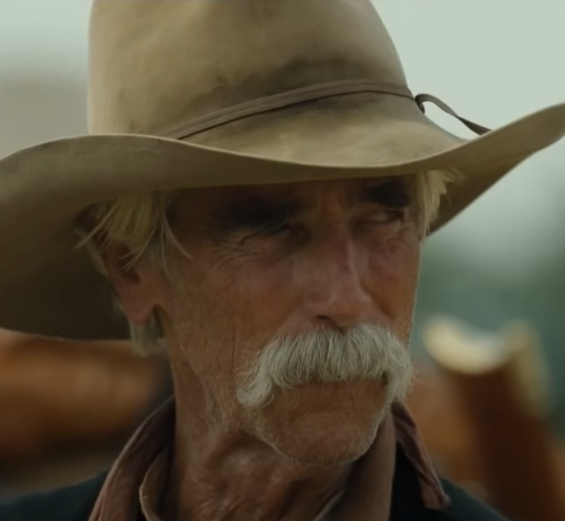
These most-watched moments from *1883* are more than just clips; they are indelible fragments of a grand, tragic epic. They reveal the series’ masterful blend of historical authenticity, raw emotion, and gripping action. From the quiet agony of war veterans to the brutal justice of the trail boss, from the tender blossoming of first love to the stark metamorphosis of a soul finding its true nature in the wilderness, *1883* cemented its legacy as a modern Western masterpiece. It’s a testament to the enduring power of storytelling, reminding us that even in the most unforgiving landscapes, the human spirit, with all its complexities and contradictions, burns brightest. For those seeking a raw, unfiltered journey into the heart of America’s past, *1883* remains an essential, unforgettable viewing experience on Paramount+.