Recent episodes of the enduring BBC medical drama, Casualty, have plunged two of its central figures, Dr. Stevie Nash and Nurse Rida Amaan, into profoundly challenging personal and professional crises, exploring themes of resilience, justice, and the sheer unpredictability of life. These narratives highlight the series’ commitment to delivering emotionally resonant storylines that push its characters to their absolute limits, often blurring the lines between their demanding careers and their tumultuous private lives.
Dr. Stevie Nash’s ordeal began with a devastating misdiagnosis, where what she initially believed to be a pregnancy was tragically confirmed as a cancerous mass on her ovary. This cruel twist of fate, transforming a symbol of new life into a life-threatening illness, set Stevie on a harrowing path. Her condition deteriorated rapidly, necessitating an emergency operation that, while saving her life, forced surgeons to perform a hysterectomy. This procedure, an immense physical and emotional trauma, left Stevie grappling not only with the immediate aftermath of cancer surgery but also with the profound loss of her ability to bear children and the onset of menopausal symptoms. The psychological weight of this loss, coupled with the existential fear of cancer, has been depicted with raw honesty, showcasing the vulnerability even of those who typically stand as pillars of strength in the face of others’ suffering.
As Stevie prepared for her first chemotherapy session, a moment laden with anxiety and trepidation, a poignant reunion unfolded. Young patient Leah, whom Stevie had treated on Christmas Day when diagnosing her suspected leukaemia, returned to Holby ED alongside her mother, Adele. This full-circle moment provided a powerful mirror for Stevie. Leah delivered the joyous news of her all-clear, a testament to medical success that ironically underscored Stevie’s own ongoing battle. Despite Leah’s good news, the girl admitted her lingering fears of a relapse, prompting Stevie to offer words of encouragement. In a rare display of vulnerability and empathetic insight, Stevie was frank and honest with Leah about the challenges of illness but also provided much-needed hope for the future. This interaction proved to be more than just a professional duty for Stevie; it became a moment of self-reflection. By articulating hope and courage to Leah, Stevie found herself internalising those very sentiments, drawing strength from the resilience of her young patient. This connection, combined with an unspecified but impactful “unexpected gesture,” infused Stevie with a renewed sense of hope and positivity regarding her own arduous recovery journey, underscoring the deep, often reciprocal, impact of doctor-patient relationships.
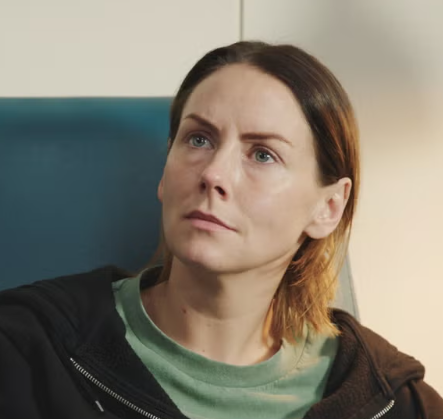
Concurrently, Nurse Rida Amaan has been enduring a different, yet equally harrowing, fight for justice and professional integrity. Following her courageous decision to come forward about her assault in the operating theatre by colleague Russell, Rida found herself facing a counter-allegation, a cynical tactic designed to discredit her and protect the perpetrator. This escalation presented Rida with a life-changing dilemma: the strong suggestion that she sign a non-disclosure agreement (NDA). The terms offered a pragmatic, albeit morally compromising, resolution: Russell would take ‘early retirement’ – effectively removing him from the hospital – but Rida would be forced to leave Holby for good. This proposition thrust Rida into a profound ethical quandary, weighing her desire for justice and truth against the potentially devastating impact on her career and reputation. The struggle to reconcile her personal trauma with the systemic pressures to “handle” the situation quietly was palpable, reflecting the insidious nature of workplace power dynamics and the arduous path victims often face in seeking accountability.
In the throes of this internal battle, Rida found unexpected inspiration in the bravery of one of her patients. This moment served as a crucial catalyst, reigniting her resolve and reinforcing her commitment to her own truth, regardless of the personal cost. She ultimately decided to say her goodbyes, choosing to walk away from Holby rather than compromise her integrity by signing the NDA. This decision, fraught with emotion and uncertainty, spoke volumes about Rida’s character and her unwavering moral compass. However, just as Rida prepared to embark on this new, uncertain chapter, fate intervened with explosive drama. The day took a terrifying turn when Indie crashed an ambulance directly into the ED. In the ensuing chaos, Rida and Russell were thrust back into a professional, life-or-death scenario, forced to work together to save someone’s life. This sudden, high-stakes emergency created an intensely fraught dynamic, begging the question of whether their profound personal animosity could be momentarily set aside for the sake of their professional duty. The unexpected collaboration in the face of an immediate crisis raises pivotal questions about Rida’s future: will this dramatic incident alter her decision to leave Holby? Could it expose Russell’s true colours in a new light, or perhaps offer Rida an unanticipated form of closure or validation?
Together, Stevie and Rida’s storylines exemplify Casualty’s enduring strength in portraying the complex, often brutal realities faced by both medical professionals and patients within a high-pressure environment. While Stevie confronts the fragility of her own body and the emotional toll of illness, Rida battles for justice and the preservation of her integrity in the face of a deeply unfair system. Both narratives are deeply personal yet universally resonant, touching upon themes of vulnerability, courage, loss, and the relentless human pursuit of healing and resolution. The dramatic twists and emotional depth within these storylines ensure that Casualty continues to captivate its audience, reflecting the often unpredictable and profoundly human experiences that unfold daily within the walls of a bustling emergency department. The characters’ journeys underscore that even in a setting dedicated to saving lives, the most profound battles are often fought within.