The rugged, unforgiving beauty of Montana’s landscape has long captivated the American imagination, but nowhere has it been more powerfully embodied than in Yellowstone, Paramount Network’s reigning dramatic epic. At the heart of this sprawling saga, the Dutton Ranch stands as more than just a setting; it is a fortress, a legacy, and indeed, a character as compelling and complex as John Dutton himself. What many viewers don’t realize is that this iconic abode isn’t a Hollywood creation on a soundstage but a living, breathing historical monument – the Chief Joseph Ranch in Darby, Montana, a place where the line between fiction and reality blurs with breathtaking intensity.
Imagine the surreal experience: you’re settling down for an evening of television, ready to dive into the latest power struggle or heart-wrenching family drama unfolding on the Duttons’ vast estate, only to realize the very scene you’re witnessing is playing out in your own living room. This is the daily reality for Shane Libel and his family, the true custodians of the Chief Joseph Ranch. “It’s the most surreal thing in the world, and the most humbling,” Libel reflects, a testament to the profound impact Yellowstone has had, not just on its audience, but on the very fabric of the property it immortalizes.
The Lodge: A Silent Witness to Generations of Strife
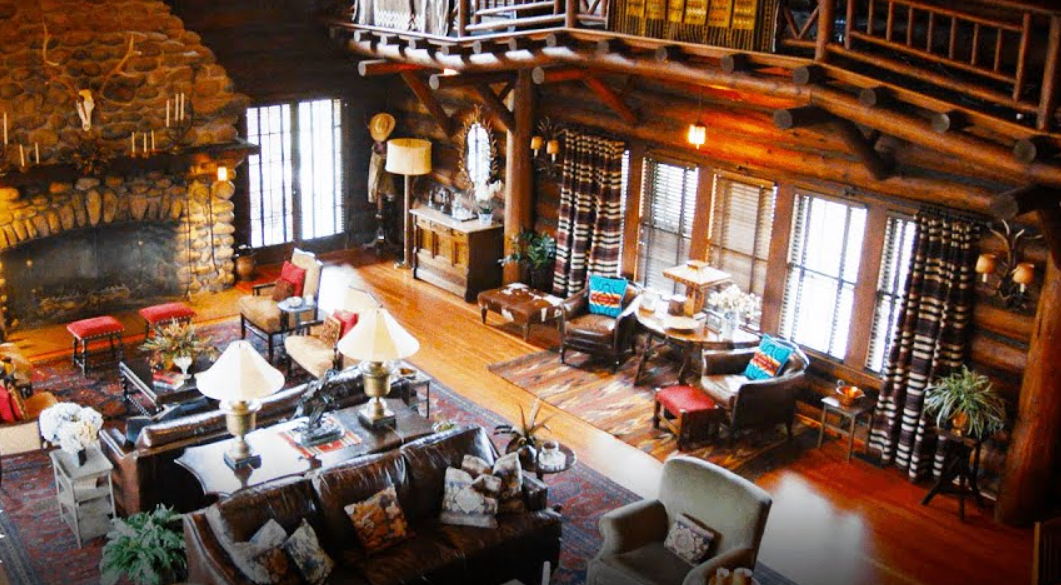
From the moment the opening credits roll, the sheer scale and aged grandeur of the Dutton Lodge demand attention. Its imposing log walls, vast stone fireplaces, and towering ceilings tell a story of generations, echoing the deep roots and fierce determination of the Dutton family. This isn’t mere set dressing; it’s the architectural embodiment of everything John Dutton fights for. Constructed between 1914 and 1917, the lodge itself is a masterpiece of early 20th-century craftsmanship. Carla Curry, the meticulous set decorator for Yellowstone, reveals the staggering details that elevate the lodge from a building to a legend. “All of the original logs and stones… are from the property itself,” she explains, highlighting a primal connection to the land that mirrors the Duttons’ own unbreakable bond. One main timber, a colossal 153 feet long, is a single tree, harvested and preserved with an almost reverential care, wrapped in burlap until placement to prevent even the slightest blemish. This inherent respect for the natural materials, for the land itself, reverberates through every frame of Yellowstone, reinforcing the high stakes of the battle to protect this generational birthright.
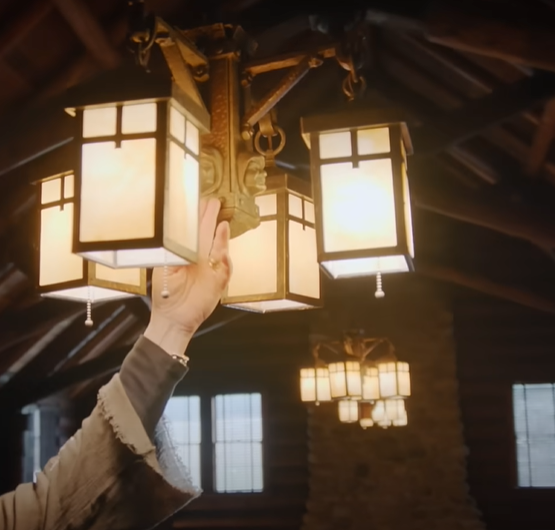
The lodge’s interior further cements its status as a character, subtly influencing the narrative and reflecting the Dutton family’s enduring spirit. Original Tiffany lighting fixtures, bearing the aged patina of over a century, cast a warm, historic glow, their intricate designs whispering tales of a bygone era. These aren’t props; they are genuine artifacts, intrinsically correct for the period, offering an unparalleled sense of authenticity. Curry and her team, faced with the challenge of decorating an already magnificent home, opted for a nuanced approach. While some elements, like the sofas and drapery, are new, they are artfully blended with “family heirloom antiques.” This deliberate layering creates a sense of evolutionary history, mirroring the complex character arcs of Beth, Kayce, Jamie, and Rip, each bringing their own distinct modern sensibility while forever bound by the traditions and burdens of their ancestors. The lodge, therefore, is not static; it lives and breathes with the narrative, bearing witness to clandestine meetings, heated family arguments, and moments of tender vulnerability that define the Dutton dynasty.
Beyond the Screen: A Living, Breathing Ranch
The allure of the Dutton Ranch extends far beyond the confines of the television screen. Hundreds of devoted fans, drawn by the mystique and power of the show, flock to the gates of Chief Joseph Ranch, eager to capture a glimpse of the iconic “Dutton Ranch” sign. The Libel family, gracious in their custodianship, leave the sign up all year round, acknowledging the profound connection viewers feel to this fictional world. But the Chief Joseph Ranch is no mere facade; it’s a vibrant, working entity. “We run the ranch as a guest ranch from June through August,” Libel proudly states, detailing the everyday operations: “We have horses and cows and we sell hay, and we do all the things that a ranch does.” This authentic reality grounds Yellowstone in a way few productions can achieve, imbuing the show’s ranching scenes with an unshakeable verisimilitude. The sweat, the dust, the endless work – it’s all part of the ranch’s very real existence, adding another layer of gritty realism to the Duttons’ struggle.
The Libel family’s philosophy regarding their home echoes the very core of Yellowstone’s narrative: the delicate balance between preservation and progress. “There’s always a balance between what do we preserve historically and what do we make functional for modern family,” Libel explains. This constant tension is a leitmotif in Yellowstone, as John Dutton grapples with developers, land grabbers, and changing times, desperately trying to maintain the ranch’s integrity while navigating the demands of the modern world. The Libels’ commitment to improving their home while honoring its past – redoing the kitchen, the mudroom, the great room – mirrors the Duttons’ own efforts to adapt and survive without betraying their heritage. “We live here, we own this, but we really don’t own it because we’re just here until the next person that we hand it off to,” Libel muses, articulating a profound sense of stewardship that transcends mere ownership. This sentiment resonates deeply with John Dutton’s unwavering, almost spiritual, devotion to protecting his land for future generations, transforming the fictional struggle into a universal testament to legacy.
The Uncredited Star: A Home That Sings
Carla Curry eloquently summarizes the unique magic woven into Yellowstone by its primary filming location: “This is the real deal. This is what makes this show sing is that this lodge has actually become a character in our show.” The authenticity derived from filming in a genuinely historic, actively working ranch is immeasurable. It allows the actors to immerse themselves fully in their roles, their performances undeniably enriched by the tangible history surrounding them. When Kevin Costner’s John Dutton walks through the grand hall, the weight of generations seems to settle on his shoulders, amplified by the very beams that have stood for over a century. When Beth Dutton, fierce and vulnerable, seeks solace or plots revenge within its walls, the lodge becomes a silent confidante, its timeless elegance a stark contrast to the brutal realities she often faces.
The Chief Joseph Ranch is not merely a backdrop; it is an active participant in the narrative, a silent force shaping the destinies of the Dutton family. It represents the unwavering spirit of the West, a symbol of power, tradition, and the enduring fight for what is rightfully yours. The set decorators ensure the lodge feels lived-in, accumulated over time, with each generation adding their “style and different aesthetic.” This commitment to verisimilitude means the fictional lives of the Duttons feel profoundly real, their struggles and triumphs inextricably linked to the very foundation of their home.
Ultimately, Yellowstone is a testament to the power of place, and the Chief Joseph Ranch is its beating heart. It’s a private home, steeped in history, painstakingly preserved, and generously opened to the world, becoming an irreplaceable, uncredited cast member. Its integrity, its beauty, and its profound sense of history infuse every scene with an authenticity that cannot be replicated. As the Dutton saga continues to unfold, threatening to tear apart the very family it depicts, the lodge stands stoic and timeless, a powerful reminder that some legacies, like the Chief Joseph Ranch, are built to last, a gift that truly keeps on giving.