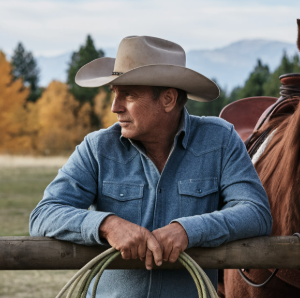
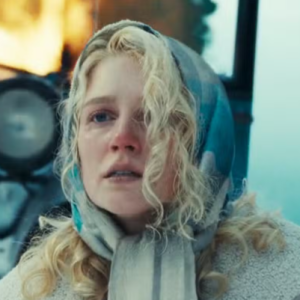
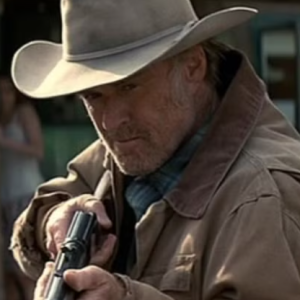
Yellowstone | Paramount Network – In a television landscape teeming with anti-heroes and morally ambiguous protagonists, John Dutton stands as a monolithic figure, a man of the land burdened by the weight of a legacy he never truly sought. Season 5 of Paramount Network’s “Yellowstone” thrust the patriarch of America’s largest contiguous ranch into the unlikeliest of roles: the Governor of Montana. This pivotal season offered an unprecedented look into the man behind the brand, showcasing his unwavering resolve, surprising vulnerabilities, and the brutal costs of his devotion to the Yellowstone Dutton Ranch.
From the moment Governor Perry uttered the fateful words, “allow me the honor of introducing your next Governor, John Dutton,” the trajectory of the series, and indeed John’s life, irrevocably shifted. His inaugural speech, delivered with the gravelly cadence of a man more comfortable on horseback than a podium, set the uncompromising tone for his governorship. He painted a stark picture of Montana as “the rich man’s plaything,” a “novelty” for coastal elites, vowing to reclaim its soul. His vision wasn’t born of political ambition, but of a deeply ingrained reverence for the land and its true stewards – the farmers and ranchers. “Protecting you now,” he declared, “is how Montana still looks like Montana when none of us here tonight are here to see it.” This was not a politician’s promise, but a rancher’s sacred oath to his home.
The immediate aftermath of his swearing-in exposed the raw nerves of the Dutton family dynamic. The champagne-fueled celebration quickly devolved into a heated familial inquest over the proposed cancellation of the Paradise Valley airport funding. Jamie, ever the pragmatist tethered to the modern world, highlighted the financial implications, citing the ranch’s annual losses. Beth, the family’s resident financial alchemist, saw only opportunity and danger, orchestrating schemes to leverage the state’s coffers while warning of the perils of impeachment, a specter that would forever haunt John’s public life. John, caught between the demands of state and the survival of his empire, responded with a primal roar, silencing the bickering with a declaration that epitomized his lifelong struggle: “This was never supposed to be me… it was supposed to be you.” His raw frustration, aimed at Jamie, morphed into a chilling directive for absolute loyalty. “You’re going to sacrifice your ambition, your fear, your weak self-loathing heart,” he commanded, binding Jamie to his will with a chilling promise: “Do exactly what the f I tell you for the next four years.” This isn’t governance; it’s a family war fought with political power as the ultimate weapon, and John’s singular focus – “the ranch comes first” – resonated like a biblical decree.
John’s definition of “freedom” became the cornerstone of his governorship. In a direct and unapologetic press conference, he dismantled the colossal Paradise Valley development project, revoking permits for the airport and ski resort. His words were a defiant shield against the relentless march of “progress” he deemed an “invasion.” He painted a vivid picture of a future stripped of clean air and water, strained schools and hospitals, and rising taxes forcing families from their homes. This bold stroke immediately drew the ire of local officials like Kyle and Ronnie, who decried the loss of hundreds of millions in tax revenue. But John, ever the master strategist, had already played his trump card. He proposed doubling property taxes on non-residents and, most critically, revealed his ultimate weapon: denying the rezoning request for the development and placing the entire Yellowstone Dutton Ranch into a conservation easement. This move, a seemingly counter-intuitive relinquishing of future development rights, was his ultimate act of preservation. As he explained to Beth, who feared the ranch would lose its financial flexibility, it ensured the land would remain “a whole,” a legacy more profound than any deed. This bold, irreversible action cemented his commitment, not just to his family, but to the very soul of Montana.
Beyond the political chess match, Season 5 offered poignant glimpses into John Dutton’s inner world. Early morning reflections with Beth on the porch revealed a man wrestling with memories, particularly those of his deceased wife, Evelyn. His advice to Beth, to “find someone that you can love while you’re still young enough to do it,” spoke to a deep well of longing and regret. But it was his unexpected bond with Monica, Rip’s wife and his daughter-in-law, that unveiled a profound, previously unseen tenderness. Sharing the heartbreaking, yet beautiful, story of his infant brother Peter, who “lived a perfect life” because “all he knew was you loved him,” John offered Monica solace in her own grief. This rare display of vulnerability humanized a man often seen as a stoic, unyielding force, reminding viewers of the layers beneath his hardened exterior.
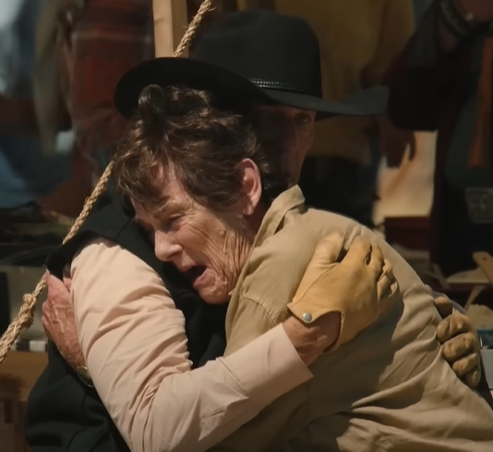
His administrative approach proved as unyielding as his ranching philosophy. A particularly memorable scene saw him summarily firing his entire team of “policy advisors.” Confronted with proposals for solar farms and gas leases – ostensibly “green initiatives” – that would destroy sage grouse habitat, John cut through the bureaucratic jargon with razor-sharp clarity. “Sage grass live in the Sage Brush,” he barked, realizing their proposed solar panels would necessitate clearing the very habitat they claimed to protect. His declaration, “I’ll advise myself on policy,” wasn’t just a cost-saving measure; it was a rejection of performative environmentalism in favor of an authentic, land-first approach, however brutal in its execution.
Perhaps the most unlikely connection John forged was with Summer Higgins, the environmental activist under house arrest on the ranch. Their debates, often laced with biting sarcasm and a surprising intellectual curiosity, explored the core tenets of their opposing worlds. John, using the stark realities of birth and circumcision as metaphors, challenged Summer’s idealized notions of freedom and sacrifice, forcing her to confront the inherent brutality and necessity of life. Their evolving relationship, culminating in Summer’s insightful observation during the branding, was a highlight. As John lamented the “dying” way of life and the encroachment of urbanites, Summer offered a radical idea: “You might want to think about inviting a few of them over so they understand who you really are and what you really do.” This moment of unexpected wisdom, recognized by John as he deemed her “a smart woman,” hinted at a potential bridge between the old and new Montana, a path John, despite his admission of not seeking a second term, might implicitly champion.
Season 5 of “Yellowstone” solidifies John Dutton’s legacy as a man defined by the land. From his calculated political gambits to his raw emotional confessions, every action was meticulously measured against the singular goal of preserving the ranch and the way of life it represents. His stoic acceptance of death, whether it be his beloved horse, “Old Bastard,” meeting its end “like every cowboy dreams it,” or his quiet reflections on life’s brutal beauty, showcased a man deeply attuned to the rhythms of nature. By the season’s close, the Dutton family, though still scarred by internal wounds, appeared united under his formidable leadership, gathered at the iconic branding, a timeless ritual of continuity. John Dutton’s reign as governor may be temporary, a means to an end, but his commitment to the Yellowstone Dutton Ranch is eternal, a testament to a man who truly embodies the wild, untamed spirit of Montana.