Holby City Hospital is once again reeling from an internal crisis that rips through the very heart of its emergency services. A harrowing incident involving a critically ill patient, a catastrophic misdiagnosis, and a shocking breach of protocol has thrown the spotlight onto the high-stakes world of paramedics and the fine line between heroic action and professional misconduct. At the centre of this burgeoning scandal are seasoned paramedic Teddy, and the ambitious, yet tragically flawed, student paramedic and call handler, Indie.
The dramatic events unfolded during a seemingly routine night shift, when the lifeline of Holby’s emergency response, its ambulance service, was stretched to breaking point. The narrative began with a distress call from Mary, a dedicated night-shift worker at the local Mega Mart on Hazel Road. Mary’s initial symptoms were deceptively innocuous: a persistent dizziness, overwhelming fatigue, and a general feeling of being unwell. As a call handler, Indie, still relatively new to the high-pressure environment of the emergency hub, diligently walked Mary through the standard assessment questions. She attempted to reassure the distressed caller, empathizing with the grueling nature of night shifts and the toll they take.
However, the seemingly benign call took a sinister turn. Mary’s condition rapidly deteriorated, her voice growing weaker as she reported new, terrifying symptoms: crushing chest pain radiating to her left arm, a classic, yet tragically often overlooked, sign of a cardiac event, particularly in women. The subtle shifts in symptom presentation between genders – a critical detail often lost in the chaotic scramble of emergency response – would later become a focal point of intense debate. Indie’s professional instincts screamed red alert, and she immediately escalated Mary’s call to a ‘Category One’ emergency, indicating an immediate threat to life, specifically citing “ineffective breathing.”
Then, the first, devastating breach of protocol occurred. In the midst of the escalating crisis, Indie lost contact with Mary. Driven by an urgent, overwhelming need to ensure help reached the rapidly declining patient, and operating under the immense pressure of a perceived ticking clock, Indie made a choice that would send shockwaves through the department. Bypassing the official, controlled dispatch system, she pulled out her personal phone and called Teddy directly, while still working from the hub. This was a direct violation of established procedure, a desperate measure born from a genuine desire to save a life, yet one that critically circumvented the very system designed to ensure patient safety and resource allocation.
Teddy, already on another call and facing his own set of pressures, was initially resistant. “We can’t divert without being allocated by control. We know this,” he stressed, highlighting the rigidity of the protocols that govern their movements. The weight of his training, the embedded discipline of adhering to the system, conflicted starkly with the urgent plea from Indie and the terrifying potential for a life lost. Yet, Indie’s insistence, her palpable distress and the gravity of the Category One upgrade, pushed him. Ultimately, an official redirection was made by Control, with Ambulance 306, Teddy’s unit, rerouted at high speed to the Mega Mart.
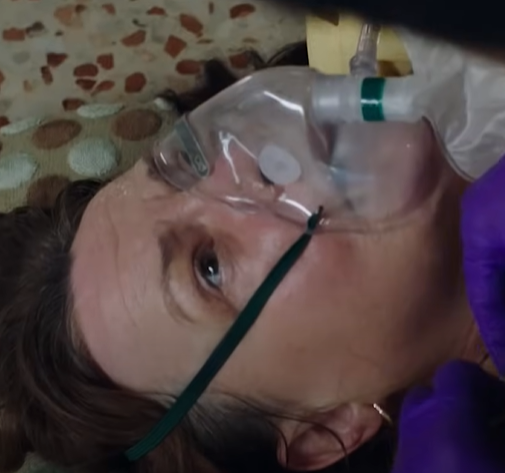
The scene that greeted Teddy and his student paramedic partner, Mir, upon arrival was grim. Mary was barely conscious, her breathing laboured, her face etched with pain. The initial assessment confirmed the worst fears: Mary was hypotensive, her blood pressure dangerously low at 79 over 52. As they swiftly attached the ECG stickers to her chest, the tracing confirmed the catastrophic diagnosis – Mary was in the midst of a massive heart attack. The urgency of the situation was palpable; every second counted. They stabilised her just enough for the critical journey to the hospital, where immediate intervention would be required to clear the blockage that threatened her life.
In the aftermath, as Mary lay stable yet critically recovering in hospital, the spotlight shifted from life-saving heroics to the uncomfortable glare of accountability. During the subsequent debriefing, a tense and unsparing review of the incident, Teddy found himself under intense scrutiny. Facing questions about why Mary’s escalating symptoms weren’t caught earlier or acted upon more swiftly, he instinctively deflected, attempting to shift blame onto Mir, his student paramedic. “She’s a student paramedic, she should know the signs,” he argued defensively, then added, almost as an afterthought, the crucial point that Mary’s symptoms presented differently as a woman. This observation, while medically pertinent, felt like a desperate attempt to diffuse his own culpability, a stark reminder of the immense pressure paramedics operate under and the human tendency to protect oneself in a crisis.
However, the true storm was brewing for Indie. Overwhelmed by guilt and the knowledge of her professional missteps, she confessed her actions. “I can’t believe I messed up so badly, man,” she admitted, the weight of her actions clearly visible. Her confession opened the door to a deeper inquiry by management, who were already in agreement to monitor all calls to assess resource allocation – a clear sign that systemic issues were at play.
The hammer fell hard on Indie. She was confronted with the full extent of her protocol breaches. The first charge: calling Teddy on his mobile from the hub – an act that undermines the integrity of the dispatch system and introduces unchecked variables into critical patient care. But there was another, even more alarming revelation: “I also might have called a patient back to stop them breaching.” This was the second, and arguably more egregious, mistake. Calling a patient back directly, outside of official channels, is a severe disruption to the system, posing a direct threat to patient safety by creating confusion and potentially delaying the official, coordinated response.
Indie, desperate and tearful, attempted to explain her actions. “I was only trying to help,” she pleaded, a sentiment that resonates with the core ethos of emergency services but clashes brutally with the unyielding demands of procedure. She also revealed a more personal, poignant motivation: “I really need the money,” highlighting the financial precariousness that often drives dedicated professionals to take on extra shifts, even in high-stress roles. But management was unyielding. “You did the absolute opposite,” she was told, the words cutting deep.
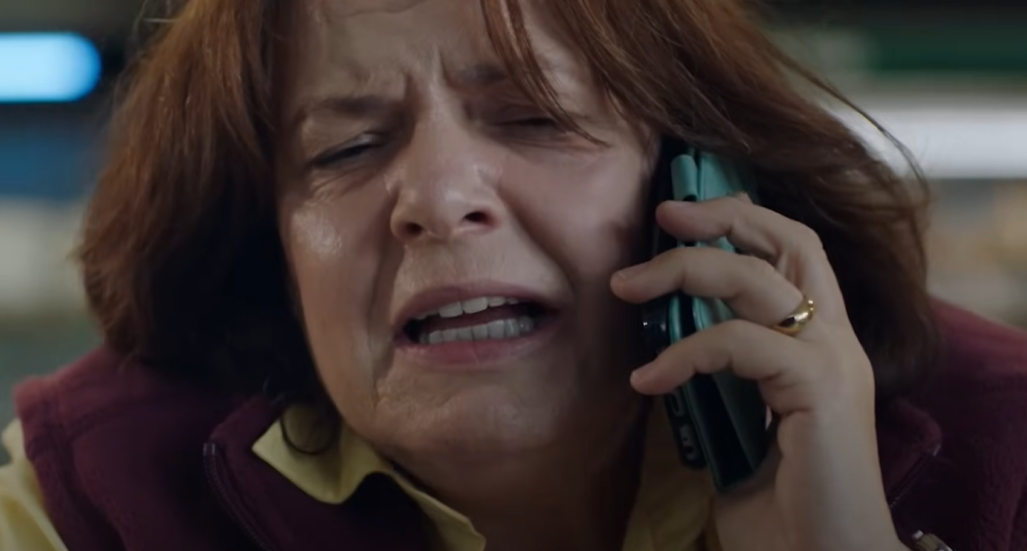
The verdict was swift and harsh: “No more call handler shifts.” Indie’s immediate future in the role was abruptly terminated. Her career trajectory now hangs precariously on her ability to focus solely on her paramedic training. The ultimatum was clear: “You’ve got your blue lights test next week. Ace that and then we’ll talk.” Her dream of becoming a fully qualified paramedic, and her financial stability, now hinge on passing this crucial test.
Beyond the immediate crisis, the incident also casts a subtle, yet intriguing, light on the deeper dynamics between Indie and Teddy, and a mysterious subplot involving a character named Jan. Indie’s plea, “I think she needs our help. Help with what? We’ve been through it before. We just need to carry on as normal,” hints at a shared, perhaps traumatic, past event or an ongoing struggle that binds them. This suggests that the pressures of the job extend far beyond the day-to-day emergencies, delving into the personal lives and coping mechanisms of these dedicated individuals.
This dramatic episode from “Casualty” is more than just a medical emergency; it’s a poignant exploration of the human element in a high-pressure profession. It delves into the ethical dilemmas faced when compassion clashes with strict protocol, the devastating consequences of a misdiagnosis, and the intense scrutiny that falls upon those who carry the burden of saving lives. As Holby City grapples with the fallout, the future of Indie, Teddy, and indeed the entire emergency department, hangs precariously in the balance. Will Indie rise from the ashes of her mistake to become the paramedic she aspires to be, or will this “big mistake” define her career forever? Only time will tell.