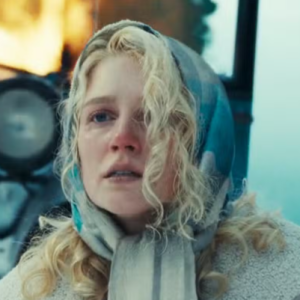
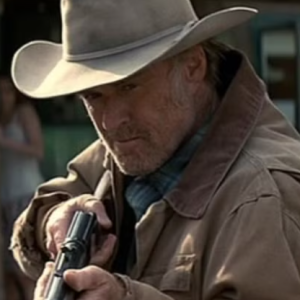
The Yellowstone Ranch, a sprawling emblem of tradition, power, and rugged independence, holds many iconic locales within its vast expanse. Yet, few are as consistently fraught with tension, raw emotion, and seismic shifts in character dynamics as the Dutton family dining table. More than just a place to break bread, this formidable piece of furniture—often adorned with an almost comically formal array of silverware—serves as a crucible, a battleground, and occasionally, a rare haven for the Dutton clan. It is here, amidst the clinking of cutlery and the serving of Gator’s culinary creations, that the deepest wounds are exposed, alliances are tested, and the very soul of this embattled family is laid bare.
From mournful silences to explosive arguments, the Dutton meals are never truly about the food. They are meticulously crafted dramatic set pieces that encapsulate the core themes of *Yellowstone*: the relentless fight for legacy, the enduring weight of trauma, and the complex, often volatile, bonds of family. Each dinner or breakfast is less a meal and more a theatrical performance, where secrets simmer beneath the surface and every uttered word carries the weight of generations of unspoken pain.
The oppressive atmosphere of the dining room is palpable from the outset. In a poignant early scene, the vast, empty expanse of the table speaks volumes as John Dutton laments a time when every seat was filled. Beth, ever the cynical realist, quickly shatters his wistful illusion: “No, you don’t, Dad. That’s not a memory. That’s a dream.” This exchange immediately establishes the melancholic truth behind the Dutton facade: the family is fractured, haunted by a past that refuses to stay buried, and struggling to reconcile a desired ideal with a brutal reality. The table, once a symbol of unity, now stands as a stark monument to what has been lost.
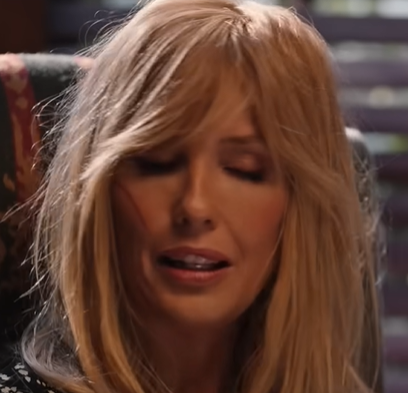
Beth, the family’s resident firebrand, consistently finds her voice—and her fury—at the dinner table. Her volatile outbursts are legendary, often serving as the catalyst for the room’s descent into chaos. When John attempts to enforce a “no work at the dinner table” rule, Beth seizes the opportunity to expose the family’s deeper dysfunction. “If we don’t talk about work, we have nothing to talk about,” she challenges, her voice dripping with scorn. Her defiant assertion, “I am a 35-year-old woman. When I sit at a table I will talk about whatever the fuck I want,” is not merely an act of rebellion; it’s a desperate cry for authentic connection, however abrasive. She storms off, fulfilling a family prophecy: “I don’t think she’s made it through a whole meal since she was 11.” Her inability to endure a peaceful meal is a direct reflection of her inability to cope with the pain and pretense she perceives within the family unit.
Jamie Dutton, the adopted son and perpetual outsider, often finds himself an unwelcome presence at these gatherings, both literally and figuratively. His quiet demeanor and physical ailments often set him apart. The scene featuring Gator’s grilled octopus, a departure from typical ranch fare, becomes another subtle jab at Jamie’s “otherness.” His celiac disease, an allergy to gluten, further distinguishes him from the robust, meat-and-potatoes ethos of the ranch. The family’s casual dismissal of his political endeavors—Jamie’s announcement of withdrawing from a race is barely acknowledged—underscores his alienation, a recurring theme that culminates in tragic consequences for his character throughout the series. Even Cassidy, Jamie’s brief political colleague, unwittingly stumbles into a minefield by attempting to sit in Kayce’s “reserved” seat, drawing Beth’s immediate, aggressive correction. The unspoken hierarchy and Beth’s fiercely guarded boundaries are fiercely enforced, even over a simple chair.
The illusion of a “big, happy family,” a phrase John defiantly clings to, shatters spectacularly at one particularly agonizing meal. When Beth reveals she’s been fired, her raw honesty cuts through the strained civility. “We’ll just continue with the illusion that we’re one big, happy family,” she sneers, confronting John with the uncomfortable truth. His stubborn denial, “That’s exactly what this family is,” is met with Beth’s searing retort, “Well, that’s exactly what it was. I don’t know what the fuck to call it anymore.” The ensuing explosion leads to Tate, the innocent grandson, being whisked away from the toxic environment, a poignant symbol of childhood innocence unable to withstand the Dutton adults’ brutal emotional warfare. Beth’s chilling promise to stay for breakfast out of spite, declaring she wouldn’t miss it “for the fucking world,” foreshadows further torment.
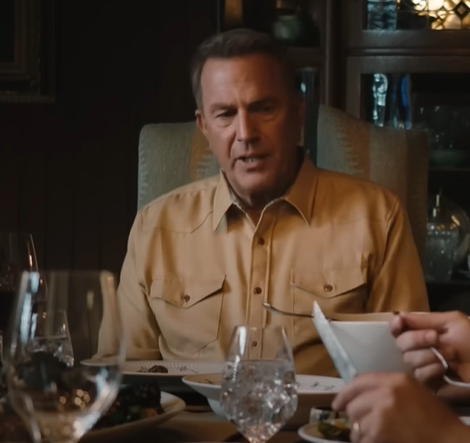
The breakfast table introduces Summer Higgins, an urban vegan activist, whose presence serves as a foil to the Duttons’ traditional ranch lifestyle. The clash of cultures is immediate and comical, but Beth’s hostility quickly turns it venomous. Summer’s requests for non-GMO, gluten-free, and plant-based alternatives are met with Gator’s exasperated attempts to accommodate and Beth’s withering sarcasm. Beth’s cutting insults, ranging from “fucking hippie” to the shockingly crude “I hope you die of ass cancer,” demonstrate her deep-seated jealousy and irrational protectiveness over John. Rip Wheeler, ever the astute observer, succinctly diagnoses Beth’s behavior: “She’s a little old to be jealous of the woman her father spends time with.” This scene perfectly illustrates Beth’s inability to process vulnerability and her tendency to lash out at perceived threats, especially when they involve John.
Perhaps the most hilariously shocking dinner occurs when Beth, still in her mode of “revenge,” uses the meal to push every conceivable boundary. While discussing healthy eating, she provocatively introduces the concept of “tantric healing,” detailing its focus on “erogenous zones” with a clinical yet utterly graphic nonchalance. Her recounting of a personal session, boasting that the experience “made my knees wobble for a fucking week,” leaves Carter, the young boy finding his place in the family, utterly bewildered and Rip visibly uncomfortable. This is Beth at her most potent and destructive, deliberately weaponizing intimacy and shocking others to exert control and disrupt any semblance of peace. It’s her perverse way of forcing uncomfortable truths into the open, a form of emotional self-flagellation that inevitably extends to those around her.
Later, in a quieter, more vulnerable moment by the fireplace, Beth confesses her true disdain for the formal dining room to Rip. “It’s that whole fucking room. It’s this stifling, oppressive, false fucking fantasy of a family that just does not exist. Never fucking existed.” Her frustration with the pretense is palpable, down to the unused “oyster spoon” on the table, a symbol of formality and tradition that masks the family’s stark reality. Rip, her steady anchor, offers a simple, powerful solution: “If you don’t like the room, then eat in a different room. At a different fucking table.” It’s a testament to their unique bond that he understands her pain and offers not judgment, but practical empathy.
Yet, amidst the chaos, there are glimmers of genuine connection. The most heartwarming dinner scene occurs not at the grand table, but by the fireplace, where John, Rip, Tate, and Carter share a meal. Here, free from the oppressive formality, John tells a captivating story about a snake and a dog, drawing in his grandson and the young boy he’s taken under his wing. Laughter echoes, a rare sound in the Dutton home. This raw, authentic interaction highlights John’s desire to pass on his legacy, his wisdom, and his love in a way that feels unburdened by the family’s pervasive trauma. He gifts Tate a rattlesnake rattle, a tangible piece of the wild, and offers profound advice: “Life is plenty hard, you don’t need to help it.” It’s a moment of pure, unfiltered connection, a stark contrast to the emotionally charged battlegrounds of the main dining room.
The Dutton family meals on *Yellowstone* are a masterclass in character development and dramatic tension. They are not merely scenes of consumption but carefully constructed arenas where the family’s deeply ingrained dysfunctions, enduring loyalties, and profound traumas play out. From Beth’s searing honesty to John’s stoic attempts at maintaining order, these gatherings are a microcosm of the entire series. They remind us that for the Duttons, the most dangerous predators aren’t always found in the wild Montana landscape, but sometimes, they’re sitting right across the dinner table. And that, in itself, is a testament to the show’s enduring and dramatic appeal.