Holby City Hospital, once a bastion of medical excellence, stands on the precipice of its darkest hour. The newly released trailer for Supply And Demand | Casualty, a gripping cinematic extension of the beloved medical drama, shatters the illusion of safety, plunging its dedicated staff into an unparalleled crisis that threatens to tear the very fabric of their world apart. This isn’t just a film; it’s a visceral, high-stakes examination of a community under siege, where every decision carries the weight of life and death, and the enemy might just be lurking closer than anyone dares to imagine.
From the opening discordant strains of music, a chilling premonition descends upon the familiar corridors of Holby. The serene calm is brutally disrupted by an urgent, almost desperate plea: “Why isn’t it working? It always works.” This single line encapsulates the harrowing reality facing the emergency department – a breakdown of the dependable, a failure of the routine, signaling that something profoundly wrong has infiltrated their trusted medical sanctuary. The source of this burgeoning horror soon becomes terrifyingly clear: a rogue drug epidemic, sweeping through the city with lethal precision.
The grim statistics are delivered with a chilling gravitas: “We’ve seen an increase in fatal overdoses over the last 12 hours.” This isn’t an isolated incident; it’s a rapidly escalating crisis. But what makes this outbreak uniquely terrifying is the unpredictable nature of the assailant. “No two pills have the same dose. No two patients are exhibiting the same response.” This revelation paints a horrifying picture of a counterfeit drug supply, manufactured with reckless abandon, turning every single overdose case into a bewildering, unsolvable puzzle. Doctors, accustomed to patterns and protocols, are confronted with a chaotic, shape-shifting enemy, rendering their expertise seemingly impotent against its relentless onslaught. The urgency is palpable, the desperation raw, as the medical team finds themselves battling an invisible foe whose methods defy conventional treatment, leaving a trail of death and despair in its wake.
As the body count rises and the emergency department overflows with desperate patients, the external chaos inexorably seeps into the personal lives and professional integrity of Holby’s finest. A deeply unsettling undercurrent of internal strife begins to surface, threatening to cripple the team from within even as they grapple with the external threat. One haunting declaration echoes through the trailer: “I escaped the chaos and I won’t open my door to it again.” This isn’t just a refusal; it’s the cry of someone deeply scarred by past trauma, desperately trying to protect themselves from being consumed by another wave of turmoil. Yet, the film promises that this character, whatever their history, will be inextricably drawn back into the heart of the storm, their personal sanctuary breached by the sheer magnitude of the unfolding disaster. Their journey back into the fray will undoubtedly be a crucible, forcing them to confront their deepest fears and re-engage with a world they had so painstakingly tried to leave behind.
The cracks in Holby’s foundation become alarmingly evident with the blunt assessment, “It’s not like there’s much of a team.” This isn’t merely an observation of staff shortages; it speaks to a deeper malaise, a fracturing of trust and unity. This internal discord manifests dramatically in a series of shocking accusations. The air crackles with tension as one voice states, with chilling certainty, “You’re going to have to tell Jan because if you don’t then I will.” The identity of “Jan” remains shrouded in mystery, but the threat implies a secret, a transgression, and a forced confession that could shatter careers and relationships.

This ominous premonition erupts into full-blown confrontation with a direct accusation: “So you think I’ve been stealing gear?” The response is sharp, laced with defiance and a dangerous hint of deflection: “Well, you’ve not thought about looking closer to home.” This isn’t just a petty theft; in a hospital facing a crisis of this magnitude, the disappearance of essential “gear” – be it medical supplies, vital equipment, or even evidence related to the drug crisis – is an act of devastating sabotage. The implication of an internal culprit, a viper in the nest, turns the already desperate situation into a chilling whodunit, forcing characters to question loyalties and scrutinize those closest to them. Is it an act of self-preservation, a desperate means to an end, or something far more sinister? This revelation promises to be a seismic event, capable of splintering the remaining fragments of camaraderie and trust within the Holby family.
At the emotional core of Supply And Demand lies the deeply personal struggles of its characters, pushed to their absolute limits. Stevie, a character already known for her intensity and willingness to challenge boundaries, finds herself grappling with an existential crisis: “Stevie, I don’t know who I am anymore.” This raw admission is juxtaposed against a heated, philosophical debate: “Take risks. That’s who you are. It’s not about irresponsibility. It’s about addiction. Oh, come on. It’s the same thing. I beg your pardon.” This exchange is a masterclass in character conflict, delving into the murky waters between calculated risks, reckless behavior, and the grip of addiction. Is Stevie herself battling a personal demon, or is she confronting someone else’s destructive habits, forced to look into a mirror of her own past? The sharpness of “I beg your pardon” suggests a profound ideological clash, challenging core beliefs and possibly unearthing buried truths about addiction’s pervasive reach, even within the confines of a professional environment. Stevie’s journey promises to be one of profound self-discovery, or tragic self-destruction, as she navigates the treacherous landscape of personal and professional collapse.
Adding another layer of profound pressure is the poignant observation, “No one ever asks how the boss is.” This line speaks volumes about the isolation of leadership, the relentless burden carried by those at the top who must project strength even as their world crumbles. The “boss,” whether a Clinical Lead, Head of Department, or another figure of authority, is clearly under immense strain, forced to make impossible decisions while their own well-being is overlooked. This silent suffering underscores the immense personal cost of managing a crisis of this magnitude, suggesting that even the strongest among them are vulnerable to breaking.
The stakes continue to escalate with chilling pronouncements that promise irreversible consequences. “People are dying,” a stark, undeniable truth, cuts through the noise, serving as a constant reminder of the human tragedy unfolding. And then, the ultimate ominous forecast: “He’s not coming back from this.” This line hangs heavy in the air, a harbinger of doom. Is it a literal death, a career-ending downfall, or a psychological breaking point from which there is no return? The identity of “he” remains a mystery, heightening the suspense and leaving viewers to speculate whose fate has been sealed by the harrowing events of Supply And Demand. This grim prediction transforms the crisis from a mere medical emergency into a full-blown battle for survival, both for the patients and for the very souls of Holby’s dedicated staff.
As the trailer crescendos towards its dramatic conclusion, the desperate plea, “It needs to stop,” rings out with a mixture of exhaustion and fierce determination. This isn’t just a wish; it’s a rallying cry, a vow to confront the source of the chaos, no matter the personal cost. The film promises a gripping culmination, where moral boundaries will be tested, sacrifices will be made, and the line between heroism and self-preservation will blur. Will the Holby team, fractured and beleaguered, manage to stem the tide of death and expose the architect of this pharmaceutical nightmare? Or will the insidious “supply and demand” of dangerous drugs, coupled with the internal rot of suspicion and betrayal, finally push Holby City Hospital beyond the brink?
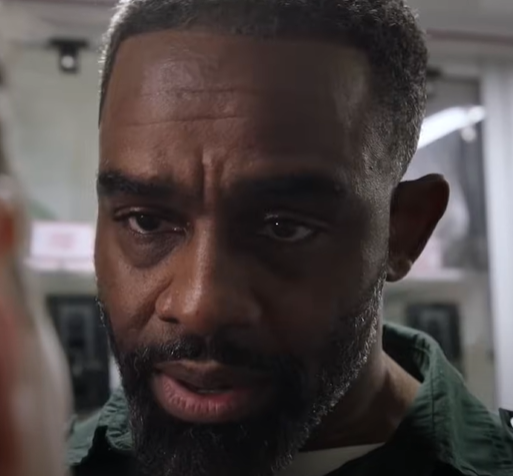
Supply And Demand | Casualty is poised to be an unmissable cinematic event, a pulse-pounding narrative that delves deep into the heart of a crisis, exposing raw human emotion, simmering conflicts, and the extraordinary courage found in the darkest of times. Prepare to be on the edge of your seat as Holby City faces its ultimate trial by fire. The story, as the trailer ominously warns, might just be where everything ends.