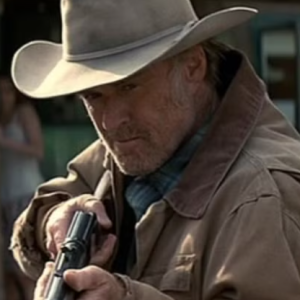
In the rugged, unforgiving landscape of Montana, where the powerful Dutton family fights tooth and nail for their legacy, an unsung hero quietly crafts the very essence of sustenance, warmth, and morale. His name is Gator, and for four sprawling seasons of Taylor Sheridan’s critically acclaimed Yellowstone, he has redefined the meaning of “craft services,” transforming it into an art form so profound, it has earned its own legendary moniker: “Gator-ing.” More than just a chef, Gator, played by the real-life culinary maestro Gabriel “Gator” Guilbeau, is the beating heart of the production, an indispensable force feeding both the on-screen drama and the off-screen dedication that brings the Dutton universe to life.
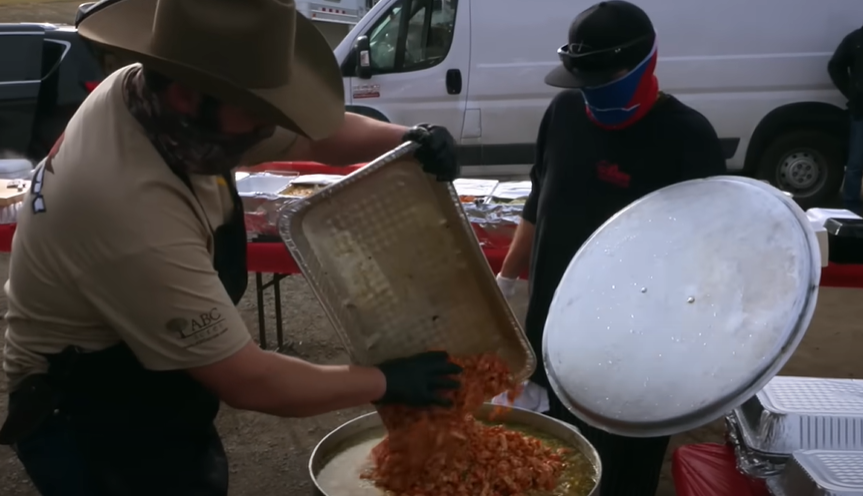
Step onto the sprawling set of Yellowstone, and you’ll find a bustling, dynamic ecosystem. At its core, often enveloped in fragrant smoke and the sizzle of culinary mastery, is Gator’s mobile kitchen – a veritable land-locked restaurant that operates from dawn till dusk. “There’s no other way to cook 500 pounds of turkeys,” Gator asserts with a characteristic grin, hinting at the sheer scale of his daily endeavor. He’s not merely catering; he’s orchestrating a symphony of flavors, a constant source of nourishment for hundreds of cast and crew navigating the demanding schedules and often brutal elements of a working ranch.
Gator’s culinary prowess is not born of a culinary school textbook, but rather from generations of deep-rooted Cajun heritage. “My grandmother was a very renowned cook in South Louisiana,” he shares, his voice tinged with pride. “If somebody heard that you got to eat in her kitchen, they were jealous.” This ancestral lineage, steeped in the rich, soulful traditions of Louisiana, flows through every dish Gator prepares. It’s an innate gift, a primal urge to “feed people” that he describes as simply “what we do, I don’t know any other way.” From his humble beginnings, freezing his “butt off” on a small, independent film set, Gator’s journey has been one of relentless dedication, culminating in a career where he ensures even the most seasoned Hollywood professionals eat “better than I’ve ever eaten in my life.”
What makes “Gator-ing” truly unique is its embodiment of the spirit of Yellowstone itself: authenticity, resilience, and an unwavering commitment to quality. Far from the sterile backlots of Hollywood, the show’s production often unfolds in remote, challenging locations across Montana. Here, with “very, very limited resources,” Gator performs daily miracles. His setup, often featuring a massive, custom-built smoker – a “showy and flashy” toy he clearly adores – allows him to transform raw ingredients into feasts. While he loves his barbecue and smoked meats, it’s the Cajun cuisine, the “food of my ancestors,” that remains his true passion. Dishes like his legendary crawfish etouffee, described as “the only crawfish etouffee you’re gonna find in Montana,” aren’t just meals; they’re an experience, a taste of a faraway land, meticulously crafted with “100 pounds of onions in a day” and, of course, “only the best” butter.
But Gator’s impact extends far beyond the plate. He’s not just the chef; he’s the “moral support,” the “shoulders to cry on,” the provider of “snackies” and emotional sustenance. He possesses an almost telepathic ability to “read the crew,” discerning their moods and cravings. “People are feeling blue,” he explains, “they want chicken noodle soup or… whatever their mom would cook them.” This empathetic approach transforms his craft services into a crucial element of crew well-being, fostering a sense of community and family that mirrors the show’s narrative themes. “If you feed people, it goes a long way in making them happy,” he notes, a simple truth that underpins his entire philosophy.
Adding another fascinating layer to Gator’s already extraordinary role is his unexpected foray into acting. “I also play Gator on the TV show,” he states matter-of-factly, a testament to the organic, improvisational spirit of Yellowstone creator Taylor Sheridan. Gator’s on-screen appearances are often spontaneous, infused with a charming, authentic humor that perfectly complements the show’s often heavy dramatic weight.
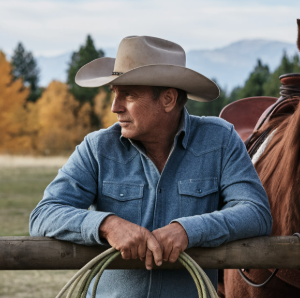
One of his most memorable early “plot points” involved serving the stoic patriarch, John Dutton (Kevin Costner), a dish the cowboy clearly found unappealing: grilled octopus. “Everybody does that one,” Gator chuckles, recalling the “baptism by fire” of his very first on-camera scene. The interaction was a masterclass in subtle character dynamics: the unflappable chef presenting an exotic delicacy, and Dutton’s hilariously disgusted reaction. It’s a small moment, yet it provides crucial levity and humanizes the larger-than-life ranch owner, showcasing his grounded, traditional palate.
Later, the now-iconic “vodka smoothie” scene cemented Gator’s comedic timing and his unique relationship with the Duttons. When a gruff John Dutton demands a rather unusual “smoothie” – “two scoops of ice cream, three shots of vodka” – Gator’s deadpan acceptance and compliance underscored the peculiar logic of the ranch. “Taylor usually just makes it up,” Gator reveals about Sheridan’s writing process, confirming the show’s dynamic, evolving narrative. These spontaneous additions, born from Sheridan’s observation of Gator’s real-life persona, not only entertain but also subtly enrich the show’s world, presenting a realistic portrayal of ranch life where unique characters coexist and contribute to the Dutton ecosystem. The running joke, where Gator pours his heart into elaborate meals only for characters to “want to eat freaking cereal for breakfast,” only adds to the show’s relatable charm, reminding viewers that even in the high-stakes world of the Yellowstone, everyday absurdities persist.
As Yellowstone continues to captivate millions, Gator remains its unsung hero, a culinary Picasso who ensures that the demanding, high-pressure world of television production runs smoothly. His passion, his heritage, and his dedication forge an unbreakable bond with the cast and crew, making the show’s demanding schedule not just bearable, but genuinely enjoyable. The magic of Yellowstone isn’t just in its dramatic narratives or breathtaking landscapes; it’s also in the unseen, tireless work of people like Gator, who feed its very soul, one meticulously prepared meal at a time. Without him, as one crew member succinctly puts it, “we’d be done.” In the world of Yellowstone, “Gator-ing” isn’t just about food; it’s about family, resilience, and the enduring power of a good, honest meal.