In the rugged, unforgiving world of Taylor Sheridan’s *Yellowstone*, symbols hold immense power. None, perhaps, are as potent, as brutal, and as defining as the searing hot brand pressed into the flesh of the Dutton Ranch’s most dedicated, or most desperate, cowboys. Far from a mere tattoo, this mark represents an unbreakable bond – a covenant of loyalty, redemption, and sometimes, a chilling consequence. Paramount Network’s hit series has masterfully unfolded the multifaceted layers of this controversial tradition, revealing it not as something earned, but as something fundamentally lived up to, forging unforgettable moments that resonate with viewers long after the credits roll.
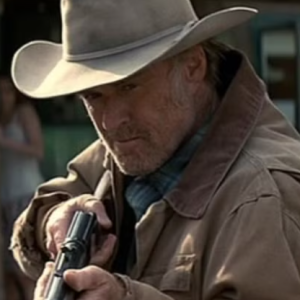
The journey into the brand’s profound significance often begins with Jimmy Hurdstrom, a hapless, two-time felon whose last chance at freedom leads him directly into the iron grip of the Yellowstone. His introduction to the ranch’s unique form of “tough love” is nothing short of harrowing. Rip Wheeler, the Dutton patriarch’s unflinching enforcer and de facto foreman, isn’t a man given to niceties. Confronting Jimmy in his trailer after a petty theft, Rip’s cold, calculating demeanor offers Jimmy a stark, life-altering ultimatum. “You’re a two-time loser, Jimmy. One more felony and they throw away the keys,” Rip states, his voice devoid of emotion. The terrifying sizzle of a branding iron, heated over a stolen campfire, becomes Jimmy’s immediate reality. With a taser delivering a shocking jolt that fells the young man, Rip offers a choice: face the sheriff’s office and a guaranteed prison sentence, or “prove that you deserve another chance” at the Yellowstone.
The ensuing scene is a visceral testament to the brand’s raw power. As the hot iron sears into Jimmy’s chest, his anguished grunt is the only sound, a stark echo of the immense pain and the gravity of his new reality. It’s a baptism by fire, a forced allegiance to a ranch that initially “doesn’t give a shit about” him, but “will.” This moment not only marks Jimmy physically but psychologically, thrusting him into a world where survival means adhering to an uncompromising code. The immediate aftermath sees Jimmy integrated into the bunkhouse, a chaotic, masculine crucible where hazing and tough love define daily life. From freezing cold showers to the constant verbal jabs, Jimmy’s existence is a relentless test of endurance, a gritty illustration of the hard-won respect required to truly “live up to the brand.”
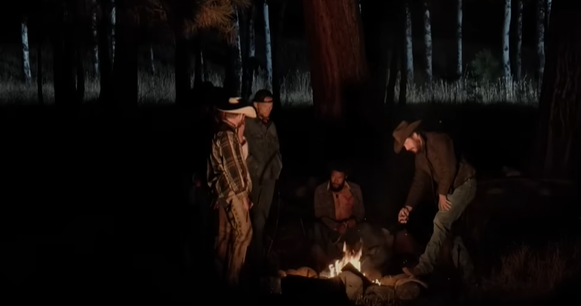
The inherent contradiction of the brand is further explored through the arrival of Walker, a musician with a criminal past, who views the Yellowstone with a cynical, pragmatic eye. “That’s a hell of a price to pay for a job that only pays 400 a week,” he quips, voicing the logical objection to such a painful, permanent commitment. Rip, ever the stoic gatekeeper, dispels the notion of monetary value. “It ain’t about the money, Walker. It’s about trust,” he asserts, outlining the exclusivity of the mark, reserved only for “the criminals” – those who have nowhere else to go, those given a rare second chance. He reframes the brand not as a punishment, but as “tenure,” a lifelong contract with profound implications. Walker’s eventual acquiescence, a resigned “Fuck it,” followed by the searing ritual, highlights the desperate choice many face. The chilling “Welcome home” that follows, spoken by the ranch hands who share the same mark, underscores the brutal camaraderie born from shared pain and inescapable loyalty.
Yet, the brand’s narrative delves far deeper than mere redemption for outlaws. It reaches into the very heart of the Dutton family, exposing long-festering wounds and the patriarch John Dutton’s often-tyrannical control. Monica Dutton, Kayce’s wife, a perceptive outsider, seeks to understand the ranch’s peculiar traditions. Her direct questioning of John about the brand’s purpose leads to a revelation that shatters her understanding of her husband’s relationship with his father. John, with an unflinching honesty that borders on cruel, admits he branded his own son, Kayce. The reason? Not for a crime against the ranch, but for an act of defiance against John’s will: marrying Monica and refusing to force her to have an abortion. “I told him to take you to the clinic and not let you leave until you had an abortion, and he wouldn’t do it,” John confesses, adding the chilling detail, “No, Monica, that I… That I did myself.” This harrowing admission transforms the brand from a symbol of second chances into a dark testament to John’s absolute authority and his willingness to use extreme measures to enforce his will, even on his own blood. It poignantly explains the profound rift and simmering resentment that defines Kayce’s complex relationship with his father.
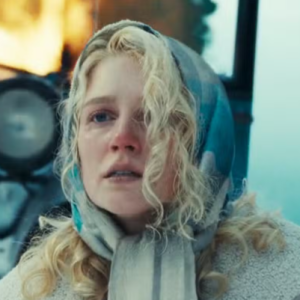
The brand’s meaning continues to evolve and prove its dual nature – a mark of commitment and a pathway to belonging – through the character of Teeter. A spitfire, hard-working cowgirl, Teeter quickly earns her place in the bunkhouse, but a brutal fight erupting between Lloyd and Walker over Laramie threatens to cost Teeter her home, despite her innocent involvement. When John, unaware of her marked status, orders her to leave, Teeter fiercely defends her position. “So all that ‘this is my home forever’ is just talk? Fuckin’ scarred for life, it don’t mean nothin’?” she demands, revealing the brand emblazoned on her chest. Her impassioned plea, highlighting her unwavering dedication – “I was the first one up every mornin’ and the last to be done. Ask him. Ask him if anyone works harder’n me” – forces John to confront the true implications of the mark. Rip’s quiet confirmation that all the bunkhouse boys wear it, including Teeter, leads John to a grudging acceptance. “This means somethin’,” John tells Teeter, allowing her to stay, underscoring that even for him, the brand carries an undeniable weight and signifies a bond that, once forged, is not easily broken.
Ultimately, the most definitive explanation of the brand’s enduring purpose comes directly from John Dutton himself, during a solemn ceremony where new hands are given the “choice” to join the Yellowstone family. He narrates its historical origins: “A long time ago, cowboys would drift in and get work on some outfit, then disappear. A few months later, a whole chunk of the herd would disappear. It was the cowboys who started it. You find out real fast who’s willing to ride for the brand when they learn they gotta wear it. Our cattle stopped gettin’ stolen after that.”
But its modern meaning, as articulated by John, is far grander, encompassing an existential promise and a grim ultimatum. “What that means today is: You’re committing yourself to this ranch for the rest of your life. And this ranch is committing itself to you. You will have a home till the day you die or this ranch is no more. Now, that is somethin’ worth fighting for.” This profound declaration clarifies the brand as a two-way street: total, unwavering loyalty from the individual in exchange for lifelong sanctuary and purpose from the ranch. The chilling flip side, as illustrated by Rip’s warning to new recruits, “Another ride back to Wyomin’. But you ain’t comin’ back from the next one,” leaves no doubt about the fatal consequences of betraying the brand.
The brand on *Yellowstone* is a complex, multi-layered symbol. It’s a mark of shame and redemption for outcasts like Jimmy, a symbol of absolute paternal control and emotional trauma for Kayce, a badge of hard-won belonging for Teeter, and for John Dutton, it is the ultimate expression of his unwavering commitment to his legacy, and the price others must pay to share in it. Each searing application of the iron is not just a moment of pain, but a turning point, forging an indelible link to the Yellowstone, transforming strangers into family, and rebels into loyalists. It is a testament to survival, a promise of a home, and a chilling reminder that in this fierce, beautiful landscape, loyalty is etched in blood and fire, making *Yellowstone* a dramatic exploration of what it truly means to live up to a brand.