In the ruthless, sun-baked landscape of Taylor Sheridan’s Yellowstone, where empires are built on blood and loyalty is currency, few characters command the quiet, steadfast respect of Mo. Portrayed with profound authenticity by the actor Mo Brings Plenty, the character Mo stands as the unwavering right-hand man to Thomas Rainwater, Chairman of the Broken Rock Reservation. Far from a mere sidekick, Mo embodies the cultural conscience and strategic gravitas that anchors the Indigenous narrative within the sprawling, dramatic saga of the Duttons and their adversaries. This deep dive explores Mo’s pivotal evolution, his enduring moral struggles, and the profound impact he has on the very soul of Yellowstone.
From his inaugural appearance in the first season, Mo was initially introduced in what seemed a peripheral role: Rainwater’s stoic driver. Yet, as the seasons unfolded, the character of Mo, much like the actor portraying him, proved indispensable, subtly but powerfully ascending the ranks of Rainwater’s inner circle. “I got involved in Yellowstone in the first season as Rainwater’s driver,” Mo Brings Plenty reflects, “and I feel that my character has been evolving… now he’s more than just a driver and more than just a bodyguard; he’s Rainwater’s right-hand man.” This evolution speaks volumes, not just to the character’s expanding utility but to his intrinsic worth within the narrative. Mo is not simply a bodyguard; he is a confidant, an advisor, and most crucially, the moral lodestar that guides Rainwater through treacherous political waters.
At the heart of Mo’s compelling character arc lies a profound struggle with morality, a conflict that mirrors the broader ethical dilemmas faced by the Broken Rock Reservation in their fight for survival and sovereignty against encroaching forces like Market Equities. The show frequently pits the indigenous leadership against the aggressive, often violent tactics employed by their adversaries, forcing them to confront the very nature of justice. “We’ve always known how to fight them,” a character, presumably Mo, remarks to Rainwater, echoing a sentiment of reluctant wisdom. “We just didn’t, ’cause we didn’t want to be like them. I think it’s time you be like them.” This chilling observation encapsulates Mo’s internal battle: the pragmatic understanding that sometimes, to survive, one must descend into the moral gray, even as his soul resists the transformation.
This internal tug-of-war is vividly illustrated in exchanges with Rainwater, particularly when discussing the more aggressive or ethically dubious strategies employed by allies like Angela Blue Thunder. When Rainwater might suggest a figure “is not evil, Mo, she’s just angry, trying to punish the world,” Mo’s blunt retort – “Yeah, I know, and that’s what evil means, Mo” – underscores his unwavering ethical clarity. He is the sobering voice of reason, unwilling to sugarcoat the harsh realities of vengeance or unchecked ambition. This makes him not just a foil but an indispensable counterweight to Rainwater’s often-burdened leadership, preventing the Chairman from succumbing entirely to the darkness that surrounds him.
Mo’s significance extends far beyond his strategic counsel; he serves as the cultural bedrock of the Broken Rock narrative. While Thomas Rainwater, having been raised off the reservation, represents a more assimilated perspective, Mo embodies the deeply rooted traditions and values of the Lakota people. “Mo was really kind of the cultural foundation or center,” the actor explains, “because Rainwater wasn’t raised on a res… so he carries the values of the culture more immediately in his upbringing.” This dynamic is crucial. Mo is the living embodiment of ancestral wisdom, history, and spiritual connection to the land—elements that Rainwater, despite his position, often seeks to reconnect with. He grounds Rainwater in a cultural identity that is both ancient and fiercely contemporary, reminding viewers that Indigenous people are not relics of the past but vibrant, evolving communities.
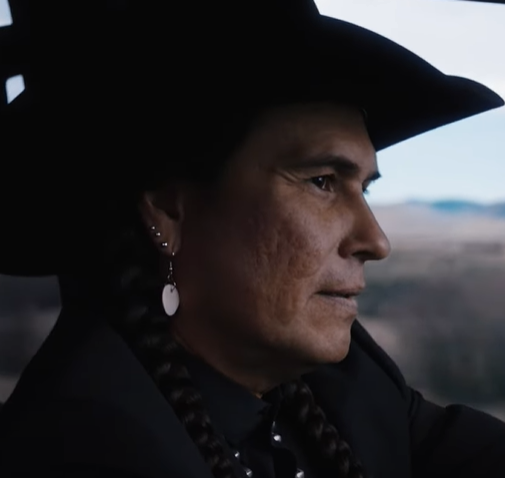
The character also serves as a powerful counter-narrative to prevailing stereotypes. “Normally when people think about us as Native people, they think of us as the past,” Mo Brings Plenty states, articulating a prevalent misconception. Mo, as a character who grows, struggles, and advises, actively dismantles this notion, serving as “a reminder that we as Native people still exist.” His measured responses, his quiet strength, and his profound understanding of both modern and traditional worlds showcase a complexity rarely afforded to Indigenous characters in mainstream media. He humanizes the struggle, making it relatable while retaining its unique cultural specificities.
The synergy between Mo and Rainwater is one of Yellowstone’s most compelling relationships, often drawing comparisons to the unbreakable bond between John Dutton and Rip Wheeler. “That same level of loyalty is there between Rainwater and Mo as well,” the actor affirms. Like Rip to John, Mo is the person Rainwater trusts implicitly, the first he turns to after moments of self-reflection. “It’s who they talk to right after they talk to each other,” a testament to their mutual reliance. Mo’s loyalty is not born of blind subservience but of a shared purpose and deep respect. When Rainwater faces a difficult decision, perhaps considering “sidestepping those regulations,” it is Mo’s quiet presence that makes Rainwater pause, acknowledging, “That’s why I Mo. Who do you have?” This line perfectly captures Mo’s unique power: his ability to challenge Rainwater, not through defiance, but through the sheer weight of his moral authority and unwavering commitment to what is right for his people.
Mo’s quiet influence profoundly impacts critical plot points. His subtle nods, his pointed silences, or his direct, often uncomfortable truths subtly shift Rainwater’s strategies. He is the internal compass that guides the Chairman away from short-sighted vengeance towards more sustainable, albeit still aggressive, long-term solutions for the reservation. In a show notorious for its explosive confrontations, Mo’s contributions are often in the moments before the explosion, urging caution or highlighting unforeseen consequences. His presence ensures that the fight for Broken Rock is not just a battle for land, but a battle for the soul of a people, striving to reclaim their legacy without sacrificing their integrity.
Ultimately, Mo Brings Plenty, through his nuanced portrayal of Mo, has carved an indelible space in the Yellowstone universe. He transcends the archetypal “loyal enforcer,” becoming a profound symbol of resilience, cultural pride, and moral fortitude. In a world consumed by power grabs and ruthless ambition, Mo stands as a testament to the quiet strength of tradition and the enduring power of a clear conscience. His journey is a vital thread in the complex tapestry of Yellowstone, reminding audiences that true strength often lies not in the loudest roar, but in the unwavering beat of a moral heart. As the saga continues, Mo’s unwavering presence remains a beacon, ensuring that the fight for Broken Rock is waged not just with might, but with soul.