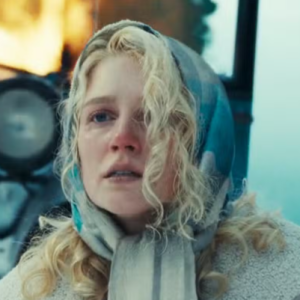
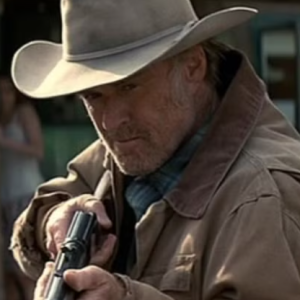
Few scenes in the annals of television drama resonate with the visceral intensity and raw, unflinching brutality of Yellowstone’s infamous biker brawl. What began as a seemingly innocuous, if impudent, confrontation on a desolate stretch of Montana highway escalated into a masterclass in territorial dominance, cementing the Dutton Ranch’s fearsome reputation and solidifying Rip Wheeler’s status as the apex predator of the modern West. For fans, it was a breathtaking display of poetic, albeit savage, justice. For the cast and crew, as revealed in the “Stories from the Bunkhouse” bonus feature, it was an arduous, sweat-soaked testament to their dedication, forging an iconic moment that continues to be discussed long after the dust settled.
The scene’s genesis is rooted in a fundamental clash of worlds. A seemingly endless caravan of loud, unruly bikers, symbols of untamed freedom and contempt for authority, dares to trespass upon the sacred domain of the Yellowstone Dutton Ranch. Their arrogance is palpable, a direct affront to the quiet, ancient power that emanates from the land itself. The catalyst for the explosion of violence is almost comically simple, yet profoundly insulting: a pink-haired biker, bristling with misguided bravado, “mad-dogging” the ranch hands. It’s a challenge thrown down, an act of overt disrespect that, in the unforgiving world of Yellowstone, can only be met with overwhelming force. The tension is immediate, almost palpable, even before the first punch is thrown. The simple act of a ranch hand, presumably Colby, calmly rolling up his sleeves in anticipation speaks volumes; this isn’t their first rodeo, and they know precisely what’s coming.
The moment the first bike veers too close, the carefully controlled order of the ranch is shattered. The tranquil, sweeping landscapes of Montana are suddenly ripped apart by the roar of engines and the sickening crunch of metal. Director Stephen Kay, lauded by the cast for his vision, crafted a sequence that felt less like a choreographed fight and more like a chaotic, desperate struggle for survival. A standout element, frequently highlighted by the cast in retrospect, was the groundbreaking “crash cam” shot—a single, audacious take where a camera mounted on the grill of a truck hurtles headlong into a line of motorcycles, creating a terrifying first-person perspective of the impact. “That’s only one time. You get one take at that. That is [expletive] sick,” one actor recalls, emphasizing the high-stakes, one-shot nature of the stunt work. This daring shot immediately immerses the viewer in the heart of the collision, putting them squarely in the path of the devastating impact, amplifying the raw, unpolished violence that defines Yellowstone.
But the true dramatic weight of the scene, the element that elevates it from a mere brawl to a defining moment, arrives with the calculated, unhurried presence of Rip Wheeler. His entrance is legendary. As the initial chaos unfolds, Rip emerges from the dust cloud, not running, not rushing, but walking with an almost supernatural calm. It’s a predatory stalk, a silent declaration of war delivered with every deliberate step. “He’s not in a hurry,” an actor observes, articulating the chilling impact of Rip’s lack of urgency. This isn’t a man fueled by adrenaline; it’s a force of nature, moving with the inevitability of a coming storm. His iconic “Rip walk” is pure intimidation, a visual manifestation of a threat that’s both imminent and absolute. “That walk is the most frightening thing,” another cast member confirms, a sentiment undoubtedly shared by millions of viewers who felt a shiver run down their spine through the screen.
And he isn’t alone. By his side, he carries a brand – not just any brand, but the searing hot iron used to mark the Yellowstone cattle, and more ominously, those who commit to the ranch for life, or for death. This detail is crucial. It signals Rip’s intent is not merely to subdue, but to fundamentally alter, to brand these trespassers, forever marking them as violators of the Dutton code. It’s a chilling promise of the irreversible consequences that await those who cross the line.
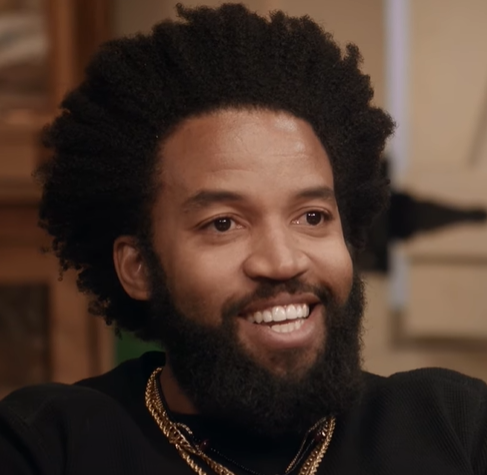
The confrontation that follows is a masterclass in power dynamics. Despite being outnumbered, Rip’s sheer presence shifts the scales. His terse, cutting dialogue serves as a prelude to the brutal lessons he’s about to impart. “What the [expletive] did you just say to me?” he challenges the leader, before delivering the chilling ultimatum: “I’ll [expletive] shoot you. It’ll be the last [expletive] thing you ever do. You better get after it then.” The biker’s defiant “Too late” is a moment of fleeting bravado before the hammer falls. Rip’s question, “Which one of these [expletive] is the boss of you?” highlights his singular focus on dismantling the hierarchy of his opponents, isolating their leader for maximum impact.
What transpires is a ferocious, drawn-out beating that spares no one. The “Stories from the Bunkhouse” commentary pulls back the curtain on the grueling reality of shooting such a scene. The cast recounts being “beat up on the ground for like 5 hours” under the scorching Montana sun, with temperatures soaring to “about 103” degrees. The commitment to realism was absolute; there were no stunt doubles for these core actors, a testament to their dedication to embodying the raw authenticity of their characters. This meant enduring the physical toll, the aches and pains that “you definitely feel it the next day.” Director Stephen Kay even pushed for more realism, instructing the crew to “kick up more” dirt onto the actors as they were being beaten, ensuring that every impact looked and felt genuinely dusty and painful. It’s a powerful reminder of the relentless commitment required to bring Yellowstone’s gritty reality to life.
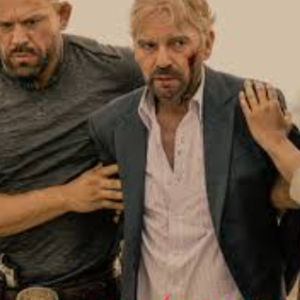
The climax of the brawl, and arguably the scene’s most shocking moment, comes when Rip delivers on his unspoken promise. He uses the branding iron, not just to intimidate, but to inflict a searing, permanent mark on the biker leader. The casual, almost indifferent way he applies the hot iron, declaring, “It’s bent now. It’s bent now,” as the leader writhes in agony, is a chilling display of his unwavering resolve. It’s a barbaric act, yet within the context of Yellowstone, it’s the ultimate assertion of ownership and punishment. It’s a message etched in flesh: this land, this territory, belongs to the Duttons, and transgression comes with a price that marks one for life.
As the battered bikers attempt to regain their footing, Rip delivers his final, terrifying pronouncement: “I’m going to give you one last chance. You leave now or you never leave. I’ll bury you where you [expletive] stand. Get the [expletive] out of here.” It’s an order delivered with the cold certainty of a man who means every word, a man who has proven he will follow through on every threat. The defeated bikers, bruised and broken, are left with no choice but to retreat, carrying the indelible physical and psychological scars of their encounter with the Yellowstone.
The biker brawl wasn’t just a thrilling action sequence; it was a pivotal moment that profoundly impacted the show’s narrative and solidified its thematic foundations. It served as a brutal reaffirmation of the Dutton family’s ruthless commitment to protecting their land by any means necessary, showcasing the primal, unforgiving nature of the world they inhabit. For Rip Wheeler, it was a defining chapter, cementing his role as John Dutton’s unwavering enforcer, the man who lives by a code as harsh and unyielding as the Montana wilderness itself. This scene forever etched in the minds of viewers the immense power and danger that Rip embodies, transforming him into an almost mythical figure of righteous vengeance.
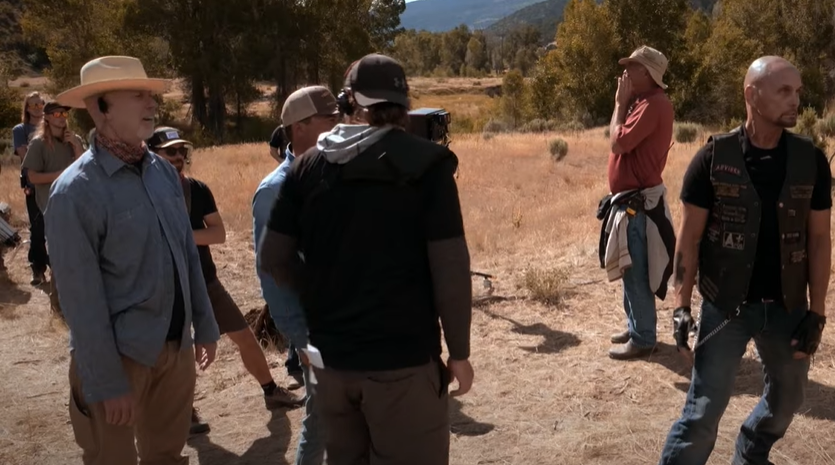
Even years later, the scene resonates deeply with audiences and the cast alike. “I wasn’t there that day, so I got to watch that scene. It [expletive] bangs,” one actor marvels, reflecting the enduring power of the sequence. It’s a testament to the seamless blend of compelling narrative, groundbreaking cinematography, and raw, committed performances that transformed a simple confrontation into an unforgettable spectacle. The biker brawl isn’t just a highlight reel moment; it’s a cornerstone of Yellowstone’s identity, a visceral reminder of the stakes, the rules, and the brutal consequences that define life on the most dangerous ranch in Montana. It truly “kicks ass,” a fight that people will continue to talk about for years to come.