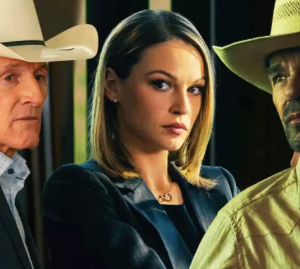
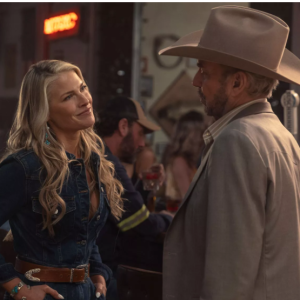
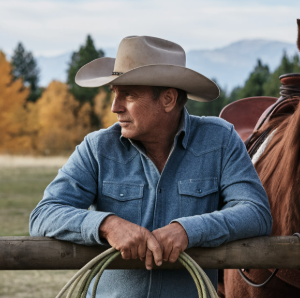
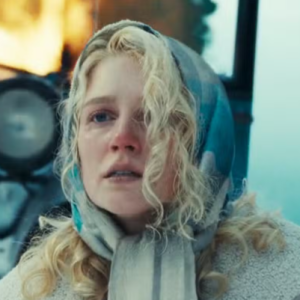
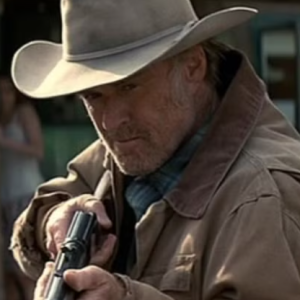
In the sprawling, majestic, yet perpetually embattled world of Yellowstone, the past isn’t just prologue – it’s a living, breathing entity, relentlessly shaping the present and dictating the future. Through a series of searing, often heartbreaking flashbacks, Taylor Sheridan’s acclaimed drama meticulously peels back the layers of the Dutton family’s history, revealing the crucibles of trauma, loyalty, and ambition that forged the formidable, flawed individuals we know today. These pivotal moments are not mere narrative diversions; they are the bedrock upon which the entire saga of the Yellowstone-Dutton Ranch rests, providing crucial context for the epic struggles waged to protect it. Join us as we delve into the deepest annals of the Dutton legacy, exploring the foundational “Best of Yellowstone Flashbacks Part 1: The History of the Dutton Ranch.”
The Genesis of Unyielding Loyalty: Rip and John’s Unconventional Bond
One of the most profound and enduring relationships in Yellowstone is that between patriarch John Dutton and his steadfast ranch foreman, Rip Wheeler. Their bond, forged in the crucible of tragedy and unwavering fidelity, is illuminated by the series’ earliest flashbacks. We see a young, bewildered Rip, taken in by John after suffering unspeakable familial trauma. A particularly haunting scene reveals John’s peculiar attachment to a horse, the very animal responsible for his wife’s death. When a young Rip questions why such a beast isn’t “put down or sold,” John’s cryptic response – “You’re applying logic to a situation where it isn’t wanted” – serves as an early, potent lesson. This moment is a masterclass in establishing John’s unique worldview: a man who respects the untamed, finds meaning in the unexplainable, and whose decisions often defy conventional morality, yet always serve a deeper, almost mystical purpose.
This foundational interaction not only solidifies Rip’s unshakeable devotion but also defines his role within the Dutton orbit. He learns that loyalty to John transcends logic, that life on the ranch operates by its own ancient code. Years later, this lesson is violently reinforced when Rip, still a young man, viciously assaults a cowboy for speaking ill of Beth. “He pulled his knife and I hit him in the head with a rock. Too hard, I guess,” Rip confesses to John, a chilling testament to his nascent ferocity. John’s calm, almost approving demeanor in response speaks volumes, cementing Rip’s place as the Dutton family’s most dangerous, yet utterly dependable, enforcer. It’s a dynamic born of a shared understanding that some transgressions demand swift, brutal justice, and that on the Yellowstone, the law of the land is often the law of the Duttons.
Beth Dutton: Forged in Fire and Fury
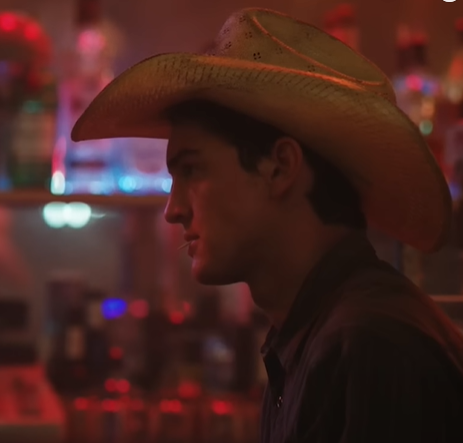
Perhaps no character is more profoundly shaped by the shadows of the past than Beth Dutton. Her abrasive exterior, razor-sharp wit, and often self-destructive tendencies are all direct consequences of traumas buried deep within her history. Flashbacks to her youth reveal a fiercely independent spirit, often clashing with her father and navigating the complex early dynamics with Rip. John’s tough-love parenting style, particularly evidenced when he forces a terrified young Beth back onto a horse – “No horses. Only scared of what you’re scared of. You’re scared of everything. Now he is too” – highlights his brutal, yet effective, method of shaping his children into resilient survivors.
But the most searing and impactful flashback concerning Beth is undoubtedly the revelation of her forced sterilization. A young, pregnant Beth, accompanied by Rip, seeks an abortion at a distant clinic. The chilling “requirement of patients receiving an abortion at this clinic is sterilization” is delivered with clinical indifference, a devastating blow that rips away Beth’s choice and her future as a mother. Rip, unaware of the horrific addendum, becomes an unwitting accomplice in the tragedy. This single, traumatic event serves as the genesis of Beth’s profound emotional scarring, her inability to bear children, and her subsequent resentment towards Rip – a silent, shared burden that defines their relationship for decades. It explains her protective ferocity over Tate, her brother Kayce’s son, and her deep-seated conviction that she is unworthy of conventional happiness. Her declaration to Rip, “She did this. Let her undo it,” regarding their secret, encapsulates the immense weight of this unresolved trauma, shaping her into the volatile, yet fiercely loyal, woman who will stop at nothing to protect her family.
Jamie’s Fated Path: A Son’s Subservience
Jamie Dutton’s tragic journey of identity, resentment, and betrayal is meticulously charted through flashbacks that reveal John’s calculated manipulation of his eldest son’s destiny. We see a young Jamie, eager to emulate his father, expressing a desire to “do your job.” John, however, has a different plan, one that weaponizes Jamie’s intellect and obedience. Presenting a stunned Jamie with an unsolicited acceptance letter to Harvard Law, John declares, “I didn’t apply to Harvard. I applied for you.”
This moment is the first in a series of coercive acts that shackle Jamie to John’s will. John’s rationale, “Lawyers are the swords of this century. Words are weapons now. I need you to learn how to use them,” paints a stark picture of his pragmatic, often ruthless, approach to family. He views his children not as individuals with their own aspirations, but as instruments in his perpetual war to protect the ranch. This forced trajectory denies Jamie the authenticity he craves, fostering a deep-seated resentment and a perpetual struggle for his father’s approval, a struggle he will never truly win. Jamie’s entire arc, from loyal, albeit frustrated, lawyer to bitter adversary, is meticulously laid out in these early scenes, foreshadowing the devastating schism that will tear the Dutton family apart.
The Evolution of a Love Story: Beth and Rip’s Unconventional Courtship
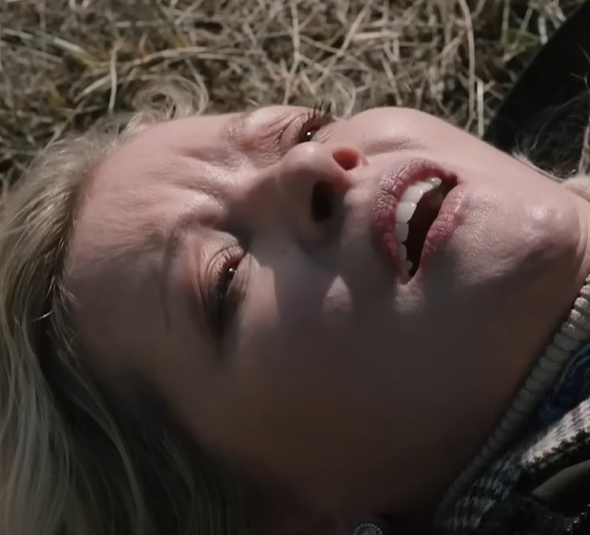
Beyond the trauma, flashbacks also reveal the nascent sparks of one of television’s most beloved, albeit unconventional, romances: that between Beth and Rip. A particularly memorable scene depicts their first true “date,” an evening where Beth introduces Rip to the world beyond the ranch gates and the intricacies of a martini. Their contrasting personalities are on full display: Beth, sophisticated and provocative, testing Rip’s boundaries, and Rip, grounded and quietly intense, navigating her complex allure.
Beth’s philosophical declaration – “You look at me that way. So does every man on earth. To every woman they find attractive. And some they don’t. I can be a victim of it. Or a beneficiary. I choose the latter.” – showcases her early understanding of power dynamics and her refusal to be a victim. It’s a profound insight into her character, explaining her later ability to wield her femininity as both shield and weapon. Despite Rip’s initial discomfort with her bold assertions, their undeniable chemistry and deep-seated affection are palpable. This early interaction lays the groundwork for their complicated, passionate relationship, demonstrating that even amidst the chaos and violence of their lives, their bond is founded on a unique understanding and a shared history that transcends words.
The Unseen Bonds: Duttons and the Reservation
Not all flashbacks are centered solely on the Dutton family; some offer crucial glimpses into the complex, often fraught, relationship between the ranch and the Native American community of the Broken Rock Reservation. A quiet, poignant scene of a tribal member seeking to bury his father on the Dutton land provides a rare moment of shared humanity. “I will bury him here if you’ll let me,” he asks, to which John (or a representative of the Dutton legacy) responds, “I’ll let you.” The exchange over the “hard winter” and “punishment” reveals a common understanding of the harsh realities of the land they both inhabit, despite their enduring conflicts over its ownership.
This flashback subtly underscores the historical layers of the land itself, hinting at centuries of inhabitation and spiritual connection that precede the Duttons’ arrival. It suggests that even amidst bitter land disputes and cultural clashes, there are moments of mutual respect, borne out of a shared struggle for survival on the unforgiving Montana frontier. These quiet acts of permission and understanding add nuance to the perpetual battle, reminding viewers that the conflict is not simply black and white, but woven into the very fabric of the land’s storied past.
The Enduring Echoes
The “Best of Yellowstone Flashbacks Part 1” are more than just nostalgic trips down memory lane; they are essential puzzle pieces in understanding the Dutton dynasty. They reveal the profound and often brutal origins of John’s relentless protectiveness, Rip’s unshakeable loyalty, Beth’s searing trauma, Jamie’s simmering resentment, and the deep-seated conflicts that define their existence. Every present-day struggle, every calculated risk, and every desperate act can be traced back to these formative moments. They are the scars, the lessons, and the promises etched into the very soul of the Yellowstone-Dutton Ranch, ensuring that the past remains a powerful, undeniable force in its dramatic, violent, and utterly captivating present. As the saga continues, these echoes of history will undoubtedly resound, shaping the fate of the last great American ranch.