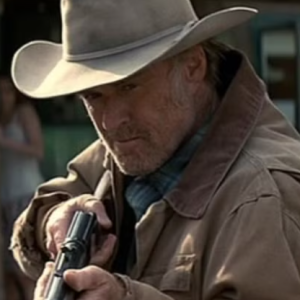
The acclaimed Western drama Yellowstone has captivated audiences worldwide with its intricate portrayal of the Dutton family’s relentless struggle to protect their vast Montana ranch from relentless attacks by land developers, an Indian reservation, and America’s first national park. Beyond the captivating narrative and stunning cinematography, much public attention has recently converged on the fate of the series’ central patriarch, John Dutton III, portrayed by Kevin Costner. His reported departure from the show has not only fueled significant media speculation but has also fundamentally reshaped the trajectory of one of television’s most compelling sagas.
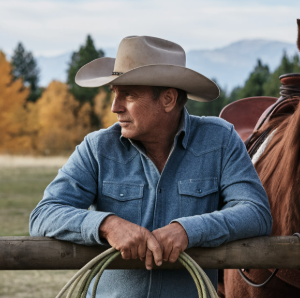
Costner’s decision to exit Yellowstone became a major talking point, eclipsing even personal matters for the actor. The reasons cited for his departure largely revolved around scheduling conflicts and alleged disagreements over filming commitments for the latter half of Season 5. Costner, a celebrated actor and director, had committed to his passion project, Horizon: An American Saga, a multi-part Western film series that required extensive time and dedication. This commitment reportedly clashed with the demanding production schedule of Yellowstone, leading to an impasse that ultimately resulted in his phased removal from the series. This development left fans speculating wildly about how the narrative would navigate the absence of its cornerstone character, whose presence has been integral to the show’s appeal since its inception.
John Dutton III is more than just a character; he embodies the very spirit of Yellowstone — a stoic, morally complex figure fiercely devoted to his family and the land they have occupied for generations. His journey from rancher to governor of Montana has been fraught with political intrigue, personal sacrifice, and brutal conflict. The impact of his departure on the show’s plot cannot be overstated. Writers and showrunners, led by creator Taylor Sheridan, are now faced with the monumental task of either writing Dutton out convincingly – perhaps through a tragic death, a quiet retirement, or an unexplained absence – or elevating other characters to fill the void left by his commanding presence. This creative challenge presents both a potential hurdle and an opportunity for the series to evolve, forcing its remaining ensemble to step into more central roles and carry the weight of the Dutton legacy.

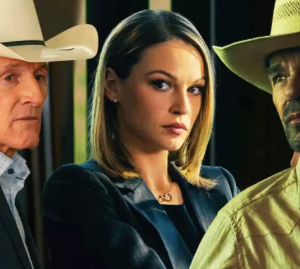
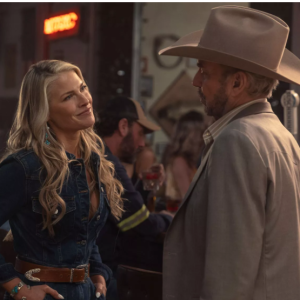
As the highly anticipated latest season of Yellowstone, specifically Season 5 Part 2, is set to premiere on November 10, 2024, fans are not only eagerly awaiting the next chapter of the Western epic but also to witness how the narrative unfolds without its leading man. The first half of Season 5 left viewers on a cliffhanger, with the Dutton family embroiled in severe internal conflict, particularly between Beth and Jamie, whose animosity has reached a murderous pitch. John Dutton, as governor, found himself increasingly isolated, grappling with the immense pressures of his political office while simultaneously fighting to preserve the ranch from corporate and environmental threats. The upcoming episodes are expected to address these escalating tensions, potentially bringing long-simmering feuds to a dramatic head. Without John Dutton’s mediating, or often provoking, influence, the dynamics among the remaining family members—Beth, Kayce, and Rip—will undoubtedly shift, testing their loyalties and their individual capacities for leadership in unprecedented ways.
The future of the Dutton legacy is now more uncertain than ever. For years, John Dutton has been the unwavering, if flawed, protector of the Yellowstone ranch. His vision, however archaic to some, has been the driving force behind the family’s actions. With his probable absence, the responsibility for the ranch’s survival will fall squarely on the shoulders of his children and son-in-law. Beth, fierce and cunning, has long been her father’s most loyal and ruthless defender, but her volatile nature could prove to be as much a liability as an asset. Kayce, torn between his family and his indigenous heritage, represents a different kind of leadership, one rooted in empathy and a desire for peace, though often forced into violence. Rip, the loyal foreman and Beth’s husband, embodies the ranch’s unwavering strength and commitment, serving as the steady hand in turbulent times. The series must now explore how these characters navigate the treacherous waters of power, politics, and family without their patriarch’s guiding (or controlling) hand, pushing them into new roles and forcing them to confront their own strengths and weaknesses.
Beyond the main series, the Yellowstone universe has already expanded significantly, cementing its status as a sprawling narrative empire. Prequel series like 1883 and 1923 have delved into the origins of the Dutton family, illustrating their arduous journey to Montana and the sacrifices made to establish their hold on the land. These spin-offs provide crucial context to the main series, enriching the understanding of the Duttons’ deep-rooted connection to the land and their enduring legacy. Furthermore, upcoming spin-offs, such as 6666 (focusing on the legendary Four Sixes Ranch in Texas) and a new sequel series tentatively titled 2024, promise to further explore the vast and complex world Taylor Sheridan has meticulously crafted. The continuation of the Yellowstone universe, even as the flagship series concludes its run, underscores the profound impact and enduring appeal of its themes: family, loyalty, land, power, and the relentless fight for survival in a rapidly changing world. These expansions demonstrate that the story of the American West, and the Duttons’ place within it, extends far beyond the singular presence of John Dutton, ensuring the saga’s longevity and continued relevance.
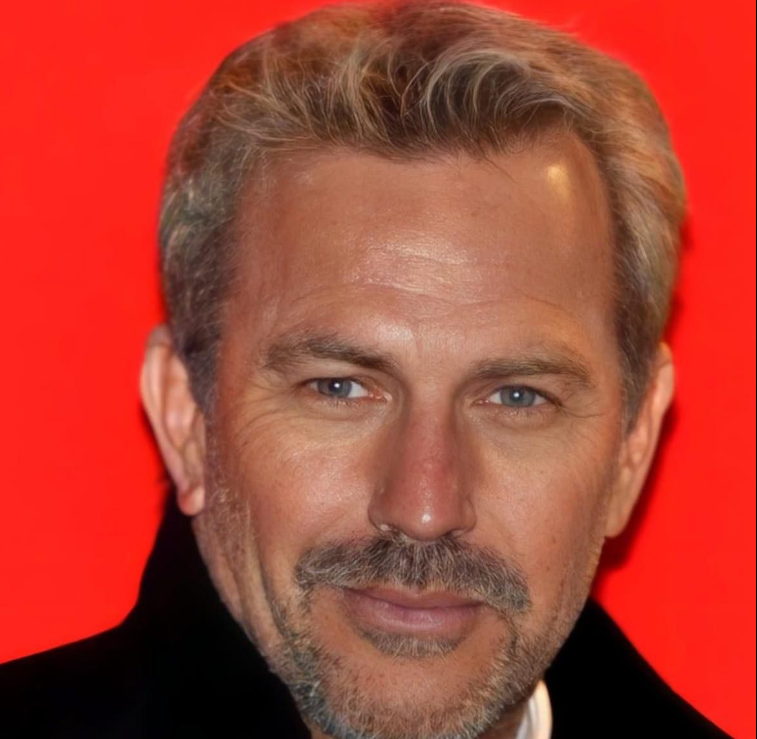
Ultimately, Yellowstone has transcended its genre to become a cultural phenomenon, resonating with audiences who connect with its raw emotional intensity, its exploration of complex moral dilemmas, and its depiction of a fading way of life. While Kevin Costner’s performance as John Dutton has been undeniably central to its success, the series’ enduring appeal lies in its rich characters, compelling narratives, and the universal themes it explores. As the show approaches its climactic final episodes, and potentially transitions to new iterations, the focus shifts from the individual performance to the collective legacy of the Dutton family and the indelible mark they have left on the cinematic landscape of the modern Western. The November 10, 2024 premiere marks not just the return of a beloved show, but a pivotal moment in its history, setting the stage for the definitive conclusion of one era and the potential beginning of another for the Dutton dynasty.