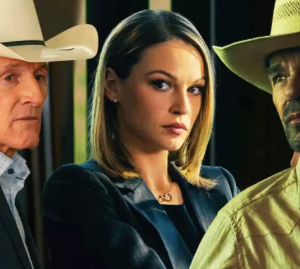
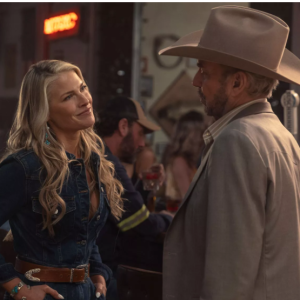
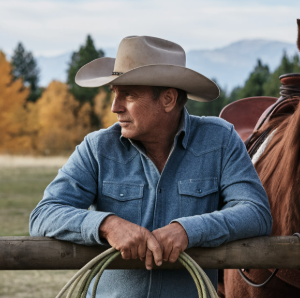
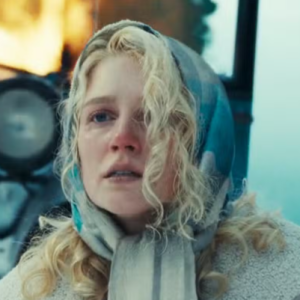
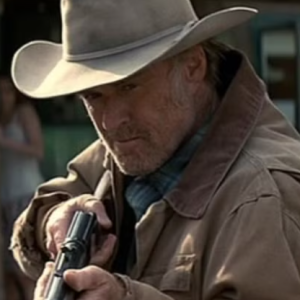
In the vast, untamed landscape of the American West, where the majestic mountains of Montana meet the fierce will of the Dutton family, *Yellowstone* has carved out its legend. Known for its visceral drama, breathtaking cinematography, and the relentless fight for family and land, the series often plunges viewers into a world of betrayals, bloodshed, and brutal pragmatism. Yet, amidst the high stakes and simmering tensions, *Yellowstone* masterfully sprinkles moments of unexpected humor – a dark, biting wit that offers fleeting, crucial breaths of levity before plunging back into the abyss. These are not merely comedic interludes; they are sharp, character-defining flashes that underscore the very human absurdity of life, even in the most dramatic of circumstances. From Beth Dutton’s acid-tongued pronouncements to Rip Wheeler’s exasperated wisdom and John Dutton’s bewildered paternal struggles, these are the moments that prove even the most hardened souls on the Yellowstone Dutton Ranch can deliver a laugh, sometimes at the most inappropriate of times.
One cannot discuss *Yellowstone*’s humor without first bowing down to the undisputed queen of chaotic wit, Beth Dutton. Her introduction in a swanky restaurant, facing off against an obsequious waiter named Alfred over a no-smoking policy, is a masterclass in defiance and verbal warfare. When Alfred timidly states there’s “no smoking,” Beth retorts, “Oh, it looks to me like the whole place is smoking, Alfred.” But it’s her scathing dissection of the terms “Ma’am” and “Miss,” concluding with the declaration that “the proper term for me would be maiden. But if you call me maiden, Alfred, I’m gonna stab you in the eye with this fucking fork,” that instantly cements her as a force of nature. This scene is not just funny; it’s an immediate character blueprint, showcasing her intellect, her disdain for convention, and her unshakeable, often violent, confidence.
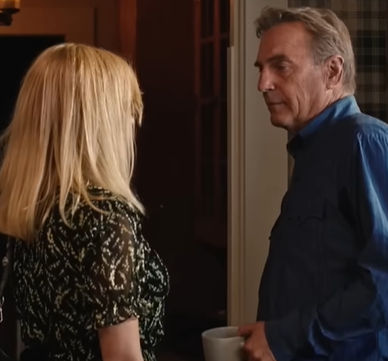
Beth’s comedic brilliance consistently shines brightest when she’s sparring with her bewildered father, John Dutton. The infamous “breakfast table vs. dining room table” debate is a prime example. As John attempts to discuss business at the family dining table, Beth, with characteristic pedantry, corrects him: “This is not a breakfast table. This is a dining room table. How do I know it’s a dining room table? Because it’s in the fucking dining room.” Her subsequent monologue about “navigating the algorithm of ways in which you control what’s discussed” leaves John utterly baffled, uttering the perfectly delivered line, “Honey, I don’t even know what the fuck that means.” This exchange perfectly encapsulates the generational and philosophical chasm between them, while simultaneously highlighting Beth’s unique brand of intellectual aggression.
Even more shocking, and undeniably hilarious, is Beth’s casual confession to John during a quiet morning reflection: “Oh, I told you about my first threesome.” The sudden shift from contemplative father-daughter bonding to John’s sputtering disbelief (“Your what?!”) is pure comedic gold. It’s a classic Beth move – boundary-shattering, unapologetic, and designed to elicit maximum shock value, while simultaneously exposing the raw, unfiltered honesty that defines their complex relationship. These verbal grenades, often detonated with a disarming smile, serve as a pressure release valve for the audience, reminding us that even the most formidable characters have a delightfully human, albeit twisted, side.
Beyond Beth’s sharp tongue, the show finds humor in the harsh realities of ranch life and the often-painful education of its newest, least-suited members. Jimmy Hurdstrom, the ex-rodeo clown turned aspiring cowboy, is a constant source of both exasperation and endearing clumsiness. His attempts to master basic ranch skills, often under Rip Wheeler’s gruff tutelage, provide many of the show’s most grounded laughs. The scene where Jimmy struggles to rope a calf, while his bunkhouse brethren taunt him about the bad luck of “putting your hat on the bed” or changing a horse’s name, is a testament to the unforgiving cowboy code. When Jimmy, after a spectacular failure involving being dragged by a calf, blames his “hat on the bed” and calling his horse “Ray” instead of “Owen,” Rip delivers a classic, deadpan rebuke: “Jimmy, you need to stop listening to those yahoos in the bunkhouse. There ain’t no such thing as luck. But I sure believe in stupid ‘cause you prove it every fucking day.” This brand of tough love, steeped in authenticity, highlights Rip’s dry wit and Jimmy’s perpetual state of being the ranch’s resident punching bag, albeit one who slowly, painstakingly, learns.
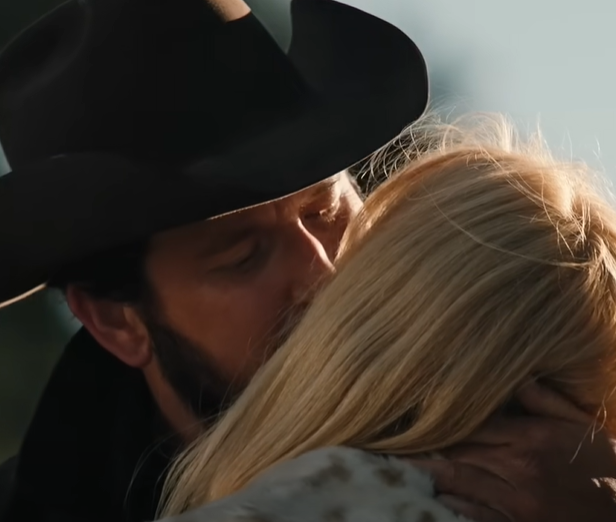
Even Rip, the stoic enforcer of the Dutton empire, has his moments of relatable frustration. His morning ritual, punctuated by a series of unfortunate events involving a malfunctioning truck and an escalating string of expletives, showcases a rare glimpse of vulnerability beneath his hardened exterior. The sheer, unadulterated rage over a broken vehicle (“Shit! Fuck! This fucking day!”) is a universal sentiment, made darkly humorous by its intensity coming from such a formidable character. It’s a reminder that even Rip Wheeler, the man who lives by his own brutal code, is susceptible to the mundane annoyances of a bad day.
The evolving dynamic between Beth and Rip also serves as a wellspring of unconventional humor. Their impromptu wedding, an event born from Beth’s impulsive desire to be a “married woman” before undertaking a ruthless business deal, is a perfect blend of romance and absurdity. Kidnapping a bewildered priest at gunpoint (“It was just a little one. Tiny,” Beth assures the shocked John Dutton) to conduct the ceremony in a field, with John as the sole, reluctant witness, speaks volumes about their love story. Rip’s deeply sincere vows – “To honor and to love. To cherish through everything until I die. And then somehow longer, baby” – are immediately undercut by Beth’s characteristic, albeit premature, “Fuck yes, I do!” This beautiful, chaotic spectacle, punctuated by a stolen, makeshift wedding ring from Rip’s mother, perfectly captures the essence of their passionate, unconventional bond.
The arrival of young Carter into their lives introduces a new layer of domestic, albeit still *Yellowstone*-style, comedy. Beth’s attempt to cook for Rip and Carter, proudly presenting “Tuna Helper” (made with tuna because there was no hamburger for the Hamburger Helper), is a delightfully awkward moment. Rip’s stunned query, “You put tuna in the Hamburger Helper?” followed by his revelation that “They make Tuna Helper?” perfectly underscores his exasperation with Beth’s unique domesticity. It’s a moment of surprising warmth and humor, showcasing the nascent, unconventional family unit forming around the two hardened adults and the displaced boy.
Perhaps one of the show’s most surprising and heartwarming humorous sequences occurs at the county fair, a rare instance of John and Beth sharing a moment of pure, unadulterated fun. Beth’s childlike demand for a giant stuffed bear from a rigged carnival game (“I want that fucking bear!”) pushes John to engage in a surprisingly charming, if still gruff, attempt to win it for her. Beth’s suggestive encouragement (“You get it in the hole all the time at home. Just do it just like home.”) and her triumphant yell (“Momma gonna be so good tonight!”) when John finally succeeds, is a moment of pure, unbridled joy and raunchy humor that is both quintessentially Beth and a rare, precious glimpse into the lighter side of their relationship.
In a show often draped in shadows and weighted by the burdens of legacy, these humorous moments are not merely comic relief; they are integral to the tapestry of *Yellowstone*. They expose the raw humanity of characters who often operate on the fringes of society’s rules, reminding us that even the most dramatic lives are punctuated by moments of absurdity, frustration, and unexpected joy. Through Beth’s biting wit, Rip’s weary pragmatism, John’s bewildered attempts at fatherhood, and Jimmy’s hapless journey, *Yellowstone* demonstrates that even in a world fighting for survival, a good laugh – however dark or uncomfortable – is a testament to resilience and the enduring, if complicated, spirit of the American West. And for fans, these belly laughs, however fleeting, are as vital as the sweeping landscapes and intense confrontations that define this iconic series.