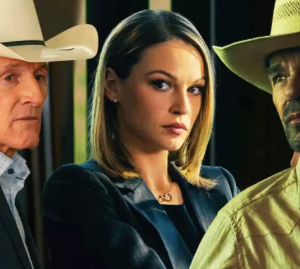
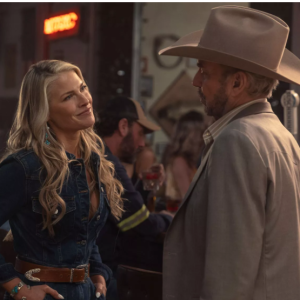
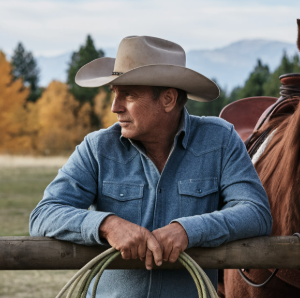
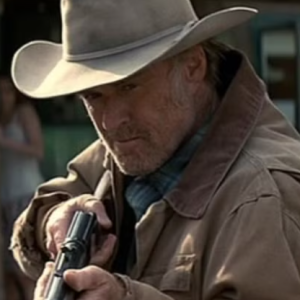
In an era dominated by sprawling cinematic universes and complex prestige dramas, few television series have captured the American zeitgeist quite like Yellowstone. Created by the visionary Taylor Sheridan, this Paramount Network flagship production has not only revitalized the Western genre but transformed it into a contemporary epic, exploring themes of power, land, legacy, and the relentless fight for survival in a rapidly changing world. At its heart lies the Dutton family, led by the indomitable patriarch John Dutton, portrayed with gravitas by Kevin Costner. Their sprawling Montana ranch, a property so vast it shares a border with both Yellowstone National Park and a Native American reservation, serves as the ultimate symbol of American heritage and the fiercely guarded ideal of property ownership. The series meticulously chronicles the Duttons’ tireless efforts to defend their land from a myriad of external and internal threats: avaricious land developers seeking to exploit the picturesque landscape, the sovereign government of the Broken Rock Indian Reservation asserting historical claims, and ambitious politicians eager to leverage the ranch for their own gains. Beyond these external pressures, the family itself is a cauldron of complex relationships, betrayals, and deep-seated resentments, making the internal drama as compelling as the external conflicts.
Taylor Sheridan’s unique storytelling approach is central to Yellowstone’s success. He injects the classic Western archetype with a raw, often brutal, realism, showcasing the harsh realities of ranching life, the moral ambiguities inherent in power struggles, and the enduring allure of a rugged frontier spirit. The narrative skillfully weaves together high-stakes corporate maneuvering with intimate family dynamics, punctuated by moments of intense violence and profound emotional depth. Characters like the fiercely loyal and equally ruthless Beth Dutton, a corporate shark with an unwavering devotion to her father and the ranch, and the stoic, conflicted Kayce Dutton, torn between his family’s legacy and his own desire for a simpler life, embody the multifaceted nature of the series. Rip Wheeler, the ranch’s foreman and Beth’s unshakeable partner, represents the unwavering dedication to the Dutton way of life, a loyal enforcer who embodies the ranch’s unforgiving code. Even Jamie Dutton, the black sheep and often antagonist of the family, adds layers of political intrigue and psychological torment, highlighting the corrosive nature of ambition and the burden of expectation. Sheridan’s authentic portrayal of the modern cowboy, the intricate legal battles, and the cultural clashes that define the contemporary American West resonate deeply with audiences, providing a refreshing counter-narrative to traditional urban-centric dramas.
The profound cultural impact of Yellowstone extends far beyond its gripping plotlines. It has tapped into a vein of Americana that many believed had been forgotten, appealing to viewers across diverse demographics. Its stunning cinematography, which beautifully captures the sweeping vistas of Montana, offers a sense of escapism and a connection to nature that is increasingly rare in popular media. The show’s themes—the sanctity of family, the preservation of tradition, and the fight against encroaching modernity—strike a chord with audiences who feel a similar sense of loss or struggle in their own lives. Yellowstone has not only inspired a dedicated fanbase but also sparked a renewed interest in Western fashion, rural lifestyles, and the broader narrative of American expansion and identity. Its success has paved the way for an expansive “Sheridan-verse” of prequel series like 1883 and 1923, which delve deeper into the Dutton family’s history and the arduous journey of settling the American West, further cementing Yellowstone’s status as a cultural phenomenon and a defining series of its era. As the series approaches its highly anticipated conclusion, its legacy as a landmark drama that redefined the Western for a new generation is firmly established, leaving an indelible mark on television history.